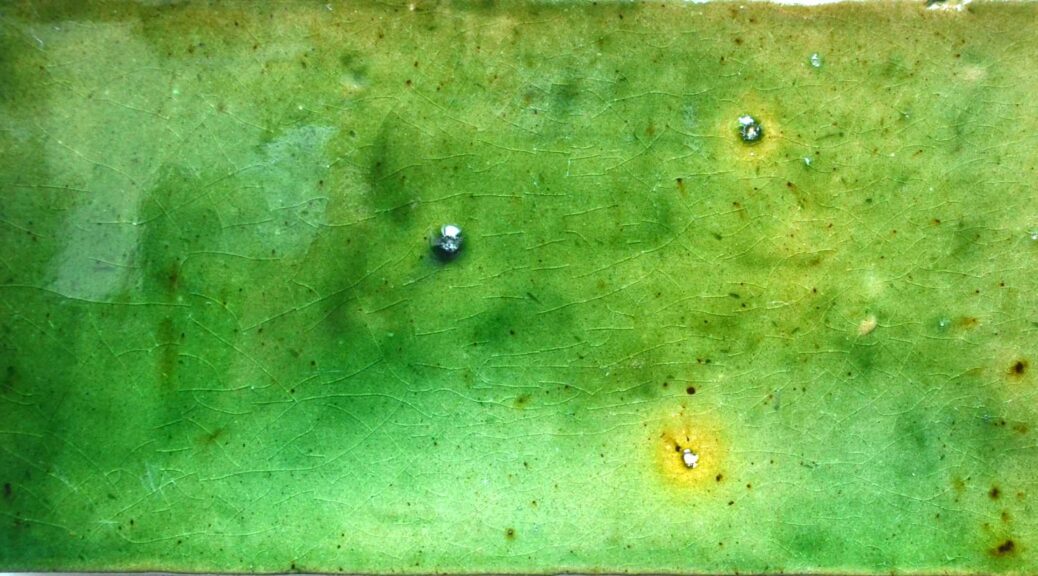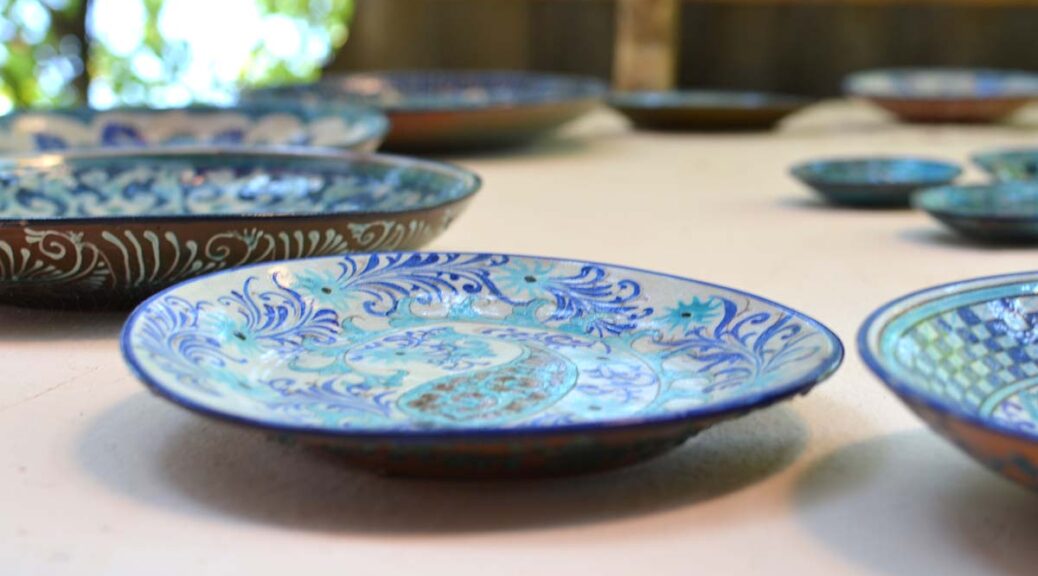
I love ceramics. I especially love hand made ceramic tiles. For the past few years I have been planning to go to Rishtan which is known as a land of azure ceramics of Uzbekistan. That trip kept getting postponed until I decided that enough was enough. So, this week I made the trip.
About three years ago at a hand made arts exhibition I met a ceramist whose work I found to be very unique. His ceramic glaze was cleaner and brighter and shapes of his pottery were strangely reminding me of the Japanese or even Scandinavian pottery. The ceramist’s name was Bakhtiyor Nazirov and he was from Rishtan. Over these three years whenever I needed unique gifts I bought them from Bakhtiyor aka. These ceramic pieces are now in possession of my friends from New York to Mumbai. When I was buying my last gift in February this year I mentioned that I would love to come to Rishtan and that’s when I received an invitation to come anytime.
So, the “anytime” day has finally come on April 25, 2017. My weak attempt to book a hotel was futile because Bakhtiyor aka didn’t want to hear anything about it – his gusts come and stay in his house with his family, end of story! I didn’t argue much and joyfully I came as a guest to a house-atelier of Rishtan’s one of the most outstanding ceramic artists where I spent two beautiful days with his family and apprentices.
Tired and hungry I arrived in Rishtan around lunch time. I was immediately taken to eat to a small, very basic place with the best shashlik (kebabs) in town. As we ate Bakhtiyor aka told me how he and his brother started as apprentices. When they became very comfortable with traditional ceramic techniques they started experimenting and developing their own colors and glazing techniques (which are kept as family secrets, by the way). Each brother has grown to have his own ceramic atelier.
As soon as we finished with lunch we went to his house-atelier where I met his family and started learning quite interesting things.
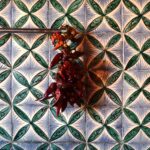
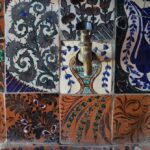
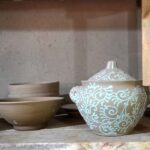
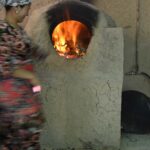
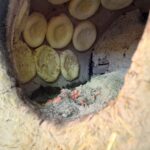
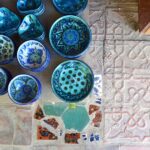
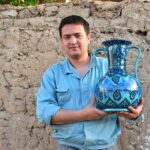
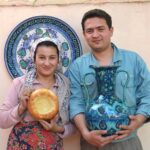
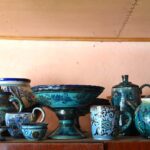

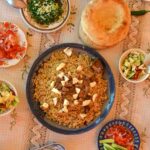
Just to mention a few:
- Bakhtiyor aka has four children – three sons and one daughter. Everyone of them speaks Japanese! In Rishtan a lot of kids grow up tri-lingual speaking Uzbek, Tajik (close to Farsi) and Russian – think of geographic territory these three languages cover! Those who care have an opportunity to add Japanese to their list of languages for free. But why Japanese? Because in 1990s the Japanese government’s mission in Uzbekistan opened a cultural center in Rishtan called “Noriko-Gakkyu” which to this day serves as a hub for cultural exchange.
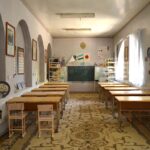

- Diyorbek, Bakhtiyor aka’s second son who follows his father’s steps in ceramics art told me that he noticed that the Japanese volunteers who came to Rishtan all had two things in common – 1) they all drew well and 2) they all knew how to play a musical instrument. Apparently, the Japanese stress early arts education because they believe that a child who is introduced to arts in the early age will grow up to be a good person.
- Rishtan is also known as “a little Japan” because everyone knows the word “konichiva” 🙂
- Bakhtiyor aka and Diyorbek regularly exhibit their works in Japan, another well-known ceramics culture. That’s why it comes as no surprise to see some pottery shapes and patterns which were inspired by the country of the rising Sun.
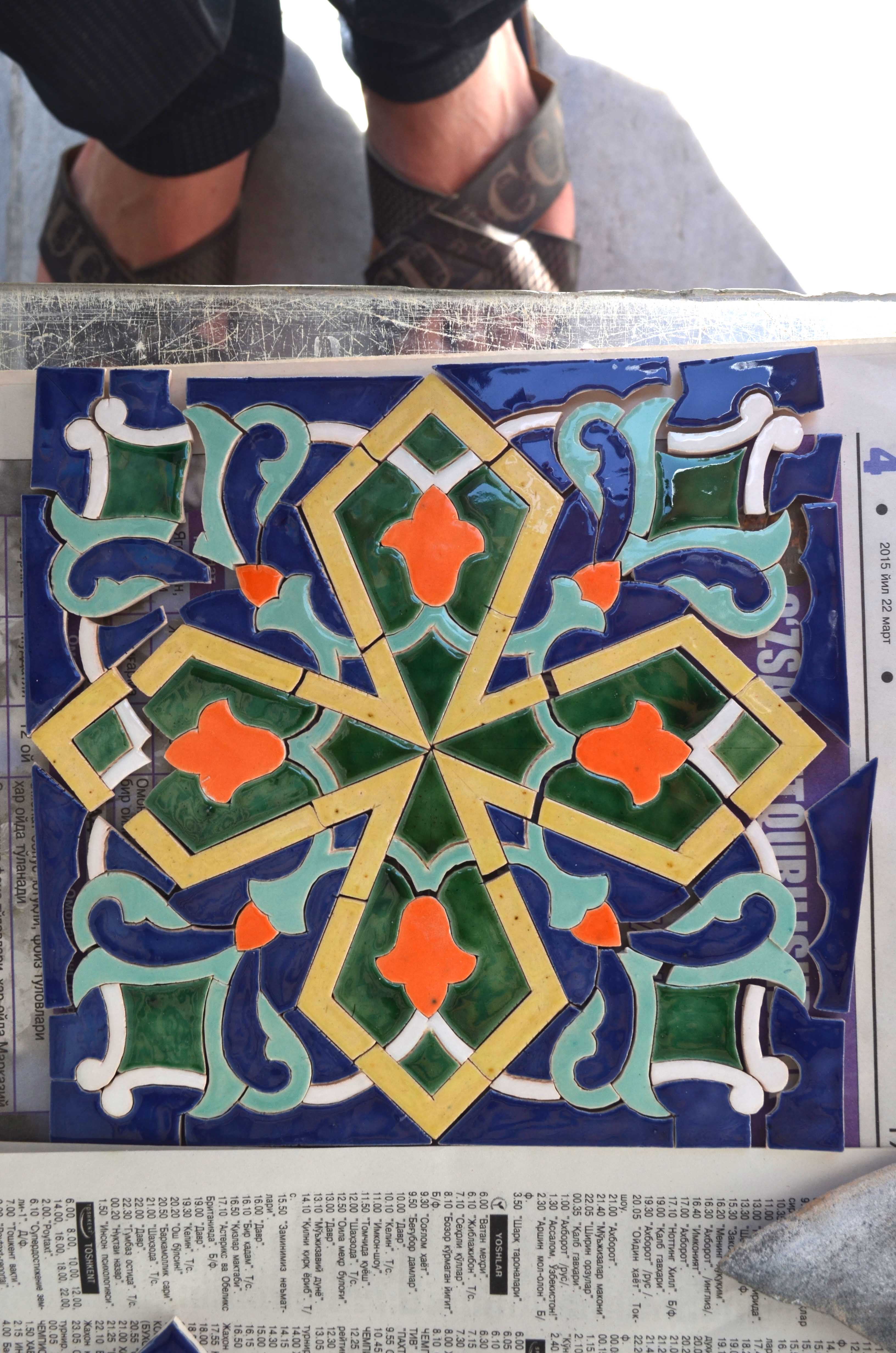
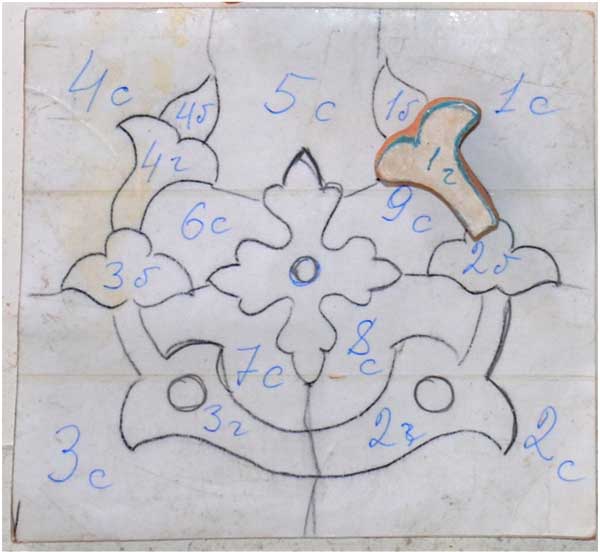
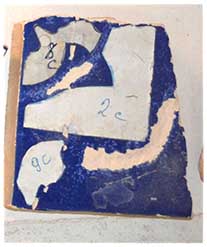
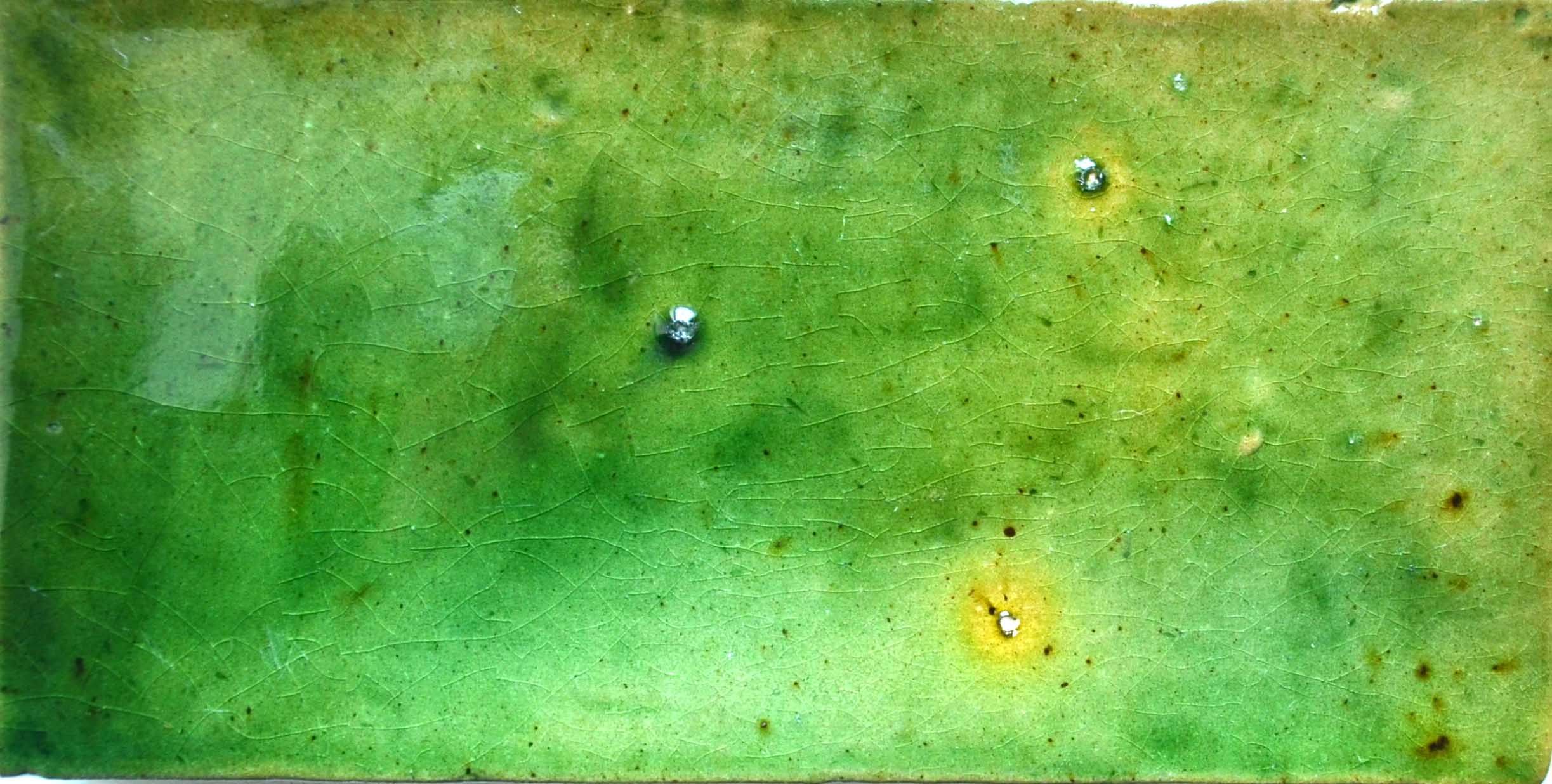
My primary interest was the process of making ceramic tiles – I would like to use them for interiors. So, on my second day Diyorbek and his apprentice Islom walked me through the process of making tiles to which I will have to devote a separate post.
My short visit was not enough to cover everything I wanted to cover. It was so beautiful to see how these people live a very simple life but they make sure their children get the best education. They talk about oxides, glaze and wooden molds they will have made in Japan during their next trip because “the Japanese are really good with wood”. They teach their children to draw because it is a part of the family tradition and when these children turn 7 they too will learn how to play a musical instrument because it is a new tradition they are adopting in their “little Japan”.
A TRAVEL NOTE: Finding Bakhtiyor Nazirov in Rishtan is simple – you just get to Rishtan and ask for ceramist Bakhtiyor Nazirov. Before arrival it is better to get in touch with Bakhtiyor Nazirov via Facebook because he often travels. Getting to Rishtan from Tashkent takes 4 hours from Kuyluk bazaar (“пятак” where cars going to Fergana Valley congregate) and it costs around $4 for a shared ride with 3 people. Make sure you take a car which goes directly to Rishtan (avoid connection in Kokand, it will only delay your trip)