Сижу, работаю, подбираю аксессуары для спальни клиента.
Захожу в Гугл, набираю “knit blanket” и он мне выдаёт такиииие вещи… Я про спальню уже забыла, так увлеклась этими пледами и вопросом – где найти нитки для таких пледов в Ташкенте?
Вот так бы завернуться и пить чай.
Image courtesy of www.flaxandtwine.com
A gem! Beautiful nature, good food (Kerala is known for its vegetarian and seafood cuisine), nice people, yoga classes for those who care, ayuverdic clinics for those curious about medicine, just want to get a good massage or need to talk to a doctor. I haven’t been to a city of Varkala Itself because Varkala Cliff where we stayed was more than enough for me and I really wanted to get the most of it. Kerala is also known as the most educated state currently ruled by a Communist party. It is a home to a religious mix of Hindus, Christians and Muslims. Kerala as a state has been marketed as “God’s own country” for its natural beauty.
I went to a yoga class along with other students who practice yoga either for personal satisfaction or professional reasons. Some people in my class were yoga instructors from other countries getting additional training.
Russian is somewhat spoken in Varkala cliff area, thankfully much less than in Goa. For those who are under impression that everyone in India speaks English – you are so wrong! Only those who receive very good private education speak English and that excludes taxi drivers, restaurant waiters and most hotel personnel.
The most significant and transformative part of my trip was meeting with an Ayurvedic doctor. I have a skin rash on my palm, which has been coming and going for sometime now. I wanted to discuss that, plus, I am in general very curious about non-traditional medicine, nutrition and other matters that are good for a temple of my soul. So, my yoga teacher took me to Dr. Innocent (that’s his real name).
The first question I got asked is “what do you eat?”
Me: for breakfast I usually have eggs…Dr Innocent: oh… you will have to change your diet completely
Here my nutrition world tilts. I tell him I am not a big meat eater and I eat eggs to compensate for protein I am not getting. The doctor gets into an explanation of human body types and cooling/ heating properties of any food. For example, cucumbers are cooling and I should eat them while chicken egg is heating and to be avoided, however, I can eat a duck egg because a duck egg is cooling.
My Ayurvedic diagnosis is that I have pitta (fire) imbalance and that means I have to eat foods with cooling properties. The specific food I should avoid is:
Tomatoes because they are acidic (goodbye pasta napoletana!)
Cheese
Yoghurt only for lunch with a little honey – it is acidic (while I have been eating yogurt thinking it is the healthiest food on planet Earth)
Sour cream because it is heating (cream is cooling, so, cream is allowed)
In addition, I should avoid spicy and oily food – I am cool with this.
Other interesting takeaways:
Honey + Hot water = Poison. Goodbye hot tea with lemon and honey, it turns out I have been poisoning myself my whole life.
Self -massage should be administered daily in a downward swiping directions. If you have no time for a full body massage, at least you should massage your head, ears and feet daily.
If you have difficulties falling asleep at night, take a glass of milk (not hot!) with honey before a bedtime.
I bought Ayurvedic medication which I will take for at least 3 months, herbal body oil for cooling “the fire”, coconut based herbal head oil + now I am on a diet.
So, after we discussed my medical matters I was still reluctant to leave and started leading the conversation in a direction that would satisfy my curiosities. I start with “Why is your name Innocent?”.
Dr. Innocent: because my father named me so (smiles) Me: are you Christian? Dr. Innocent: No, Hindu Me: do you believe in a cast system? Dr. Innocent: No. If I give the same medicine for the same condition to people from different casts and it cures both of them, how can there be a cast difference between people?Me: how did it happen that India developed its Ayurvedic traditions? Think of it, every oil you use contains so many herbs prepared in a certain way. To come up with just one medicine probably required years of research… Dr. innocent: that still remains a big question. Back in the days, ages ago, people lived very peacefully because they knew that they had to live their life’s purpose. When you live your life purpose, you have a focus and maybe those people had a focus on medicine.
As we talk I learn that Dr. Innocent (the man is in his thirties, maybe early forties) has 3 degrees – in zoology, applied microbiology and medicine. After trying different things he eventually came to Ayurveda which is something his family has been practicing for over 500 years. Sometimes his patients pay him, sometimes they don’t, like a recent foreign patient who promised to wire the money for the treatment but he hasn’t done it yet. Then he adds calmly and with a certainty “but he will, one day the money will come”. The important thing is not about money, it is about living your life purpose and his life purpose is to treat people.
Voila!
As a side note, in Air India’s in-flight magazine I read that India’s spiritual revenue is estimated to be 30 billion dollars a year. That is all sorts of ashrams, astrologers, yogic training,, etc. 30 billion dollars a year spent on learning one’s life purpose and making the most of it!
To those who have been asking me “so, how was India?” and especially to those who repeatedly told me “you are crazy” (for going to India) I devote this and probably two more posts.
Mumbai
My main reason for coming to India was my friend Abhiraj’s wedding. Since I am coming all the way to India, I added a vacation to the wedding part.
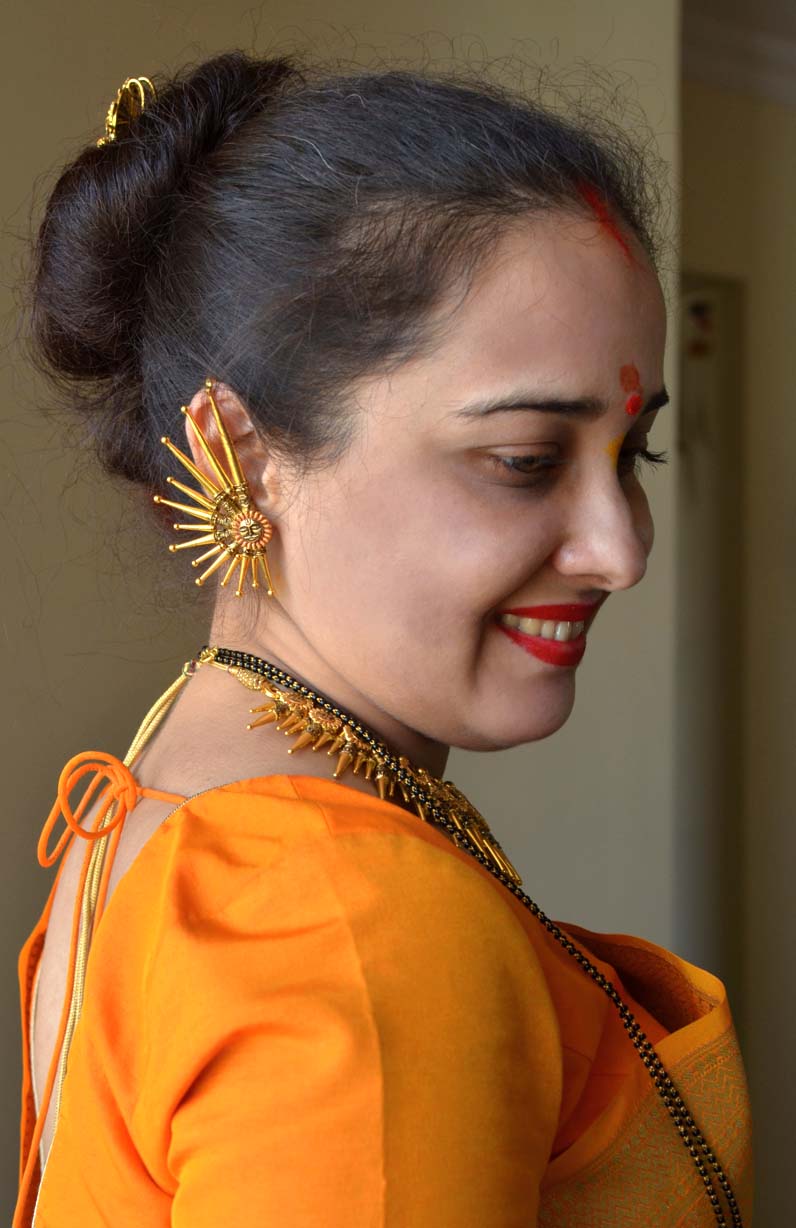
My first day in Mumbai I spend soaking up Indian matrimonial festivities surrounded with some men but mainly women wearing their gorgeous sarees and finest jewelry, family members exchanging gifts, food blessing ceremonies which you probably get to see only in India, pre-wedding lunch (before the wedding family members are on a vegetarian diet only) and a mehendi ritual which was a highlight for me.
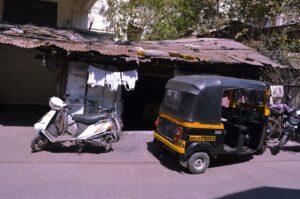
Mumbai as a city is a beehive of millions, crazy traffic, no traffic rules with a survival on the road managed by horn honking. I only spent 2 days in Mumbai and that was enough for me, however, I am sure, for someone who goes to Mumbai for a longer period, they will discover things that are fascinating.
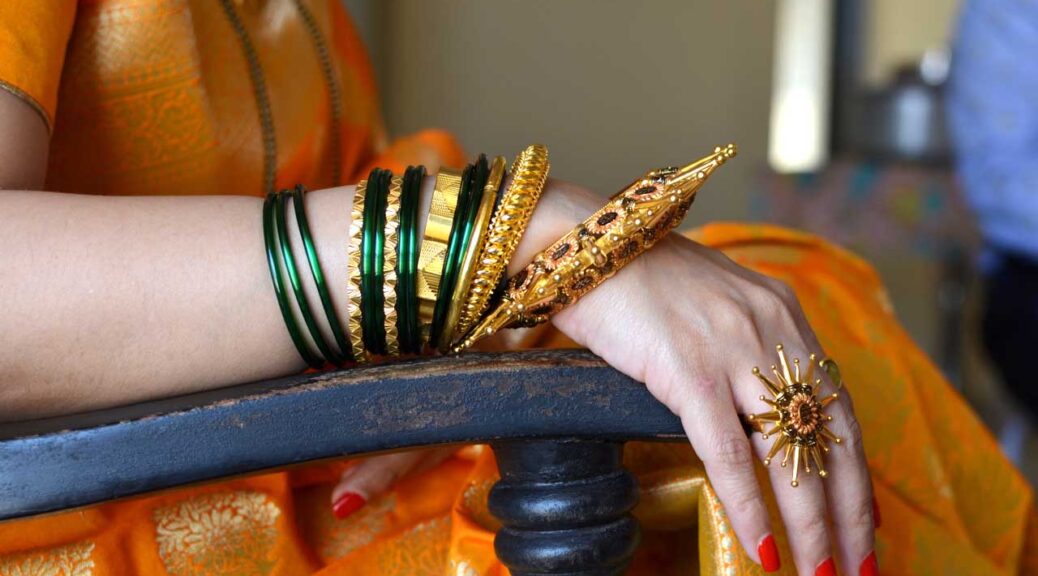
Soniya’s heavy metal gold spikes
Soniya portrait
Drawing on hands using henna
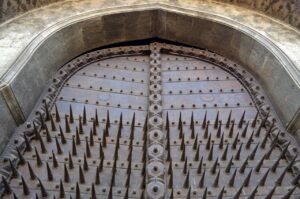
Gate of india details
Gate of India
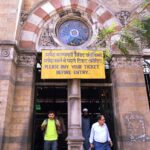
Mumbai Railway headquaters
“Chhatrapati Shivaji Maharaj Terminus (CSTM), is a historic railway station and a UNESCO World Heritage Site in Mumbai, Maharashtra, India which serves as the headquarters of the Central Railways. Designed by Frederick William Stevens with the concept of Victorian Italianate Gothic Revival architecture and meant to be a similar revival of Indian Goth (classical era) architecture, the station was built in 1887 in the Bori Bunder area of Mumbai to commemorate the Golden Jubilee of Queen Victoria.” (wikipedia) Hence, the old name.
Pune
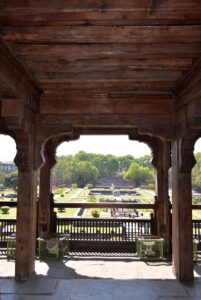
I had to come to Pune because my friend’s wedding actually took place here – the bride is from Pune. The city is nicer, greener, more manageable, known for its universities, Osho’s meditation resort and a good night life (for those who care).
Indian weddings are set on a day considered to be auspicious by a guruji (friendly neighborhood priest) and usually start in the morning around 7:30-8 am. Yes, that early! The weddings end around 2-3pm. Wedding rituals take place on a stage (so everyone can see) and are the longest part of the wedding. There was a part of the ceremony (as I was told a typical Maharashtrian thing) in which every guest had to greet the newlyweds personally. I don’t know how many guests came to the wedding (maybe 300?) but the queue was long. My Indian friends did not feel like queuing and used my foreigner-ignorant-of-local-traditions status to cut in front of others from another end of stage :)))
Wedding photos
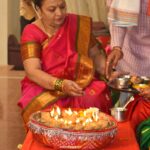
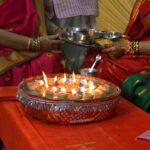
Not sure what exactly is being done here, look like blessing the food
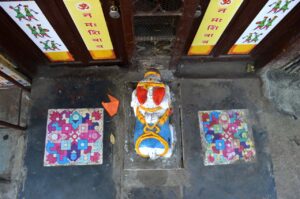
Sacred and auspicious symbol in Hinduism, borrowed in the recent history by Hitler
I am back from a both awesome and awful trip to India. Everything awful was limited to:
A traffic with an accompanying honking noise (Mumbai),
Air-pollution (again, Mumbai),
Over-population (felt the strongest in Mumbai),
Seemingly total absence of any traffic rules and traffic lights – you should have seen a cluster f@#$ intersection I found myself in my second day in … guess where? Mumbai!
And, finally, garbage on the streets all around India.
Awesome part can be summed up in one word – people. I am amazed how so many souls took time out of their lives to take care of me. I had a stranger giving me her time to walk me to a train station, to buy my ticket, to take me to a right platform and the right car (there are cars for men and there are cars for women) and to tell me “your stop is the very last one”. I had another stranger googling, making calls, writing down directions for taxi just because I happened to ask her “Where can I exchange dollars?” . The highlight of the awesome part was an Ayurvedic doctor I met in Varkala who shattered my world with his life philosophy and made me re-consider my diet and self-care regimen.
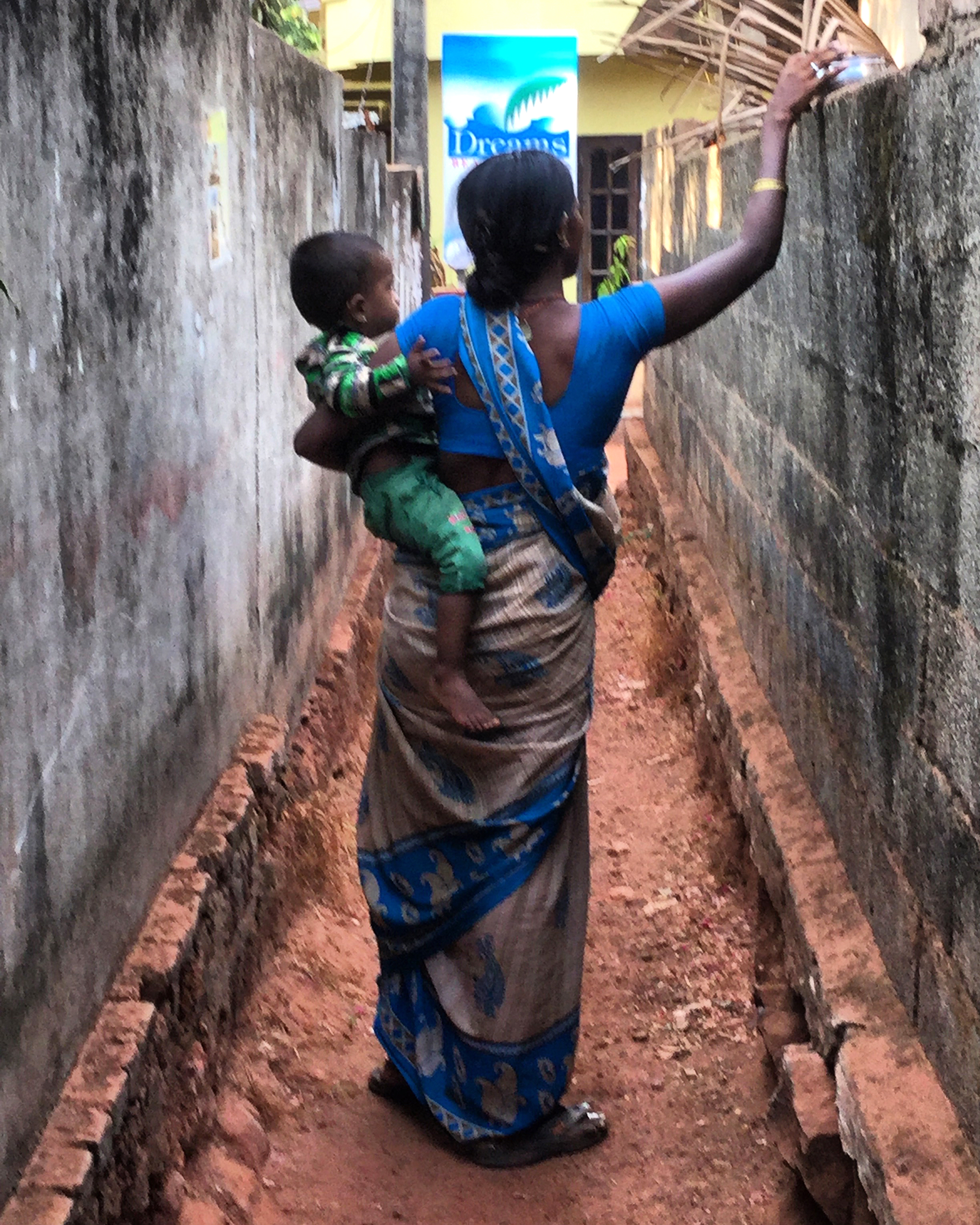
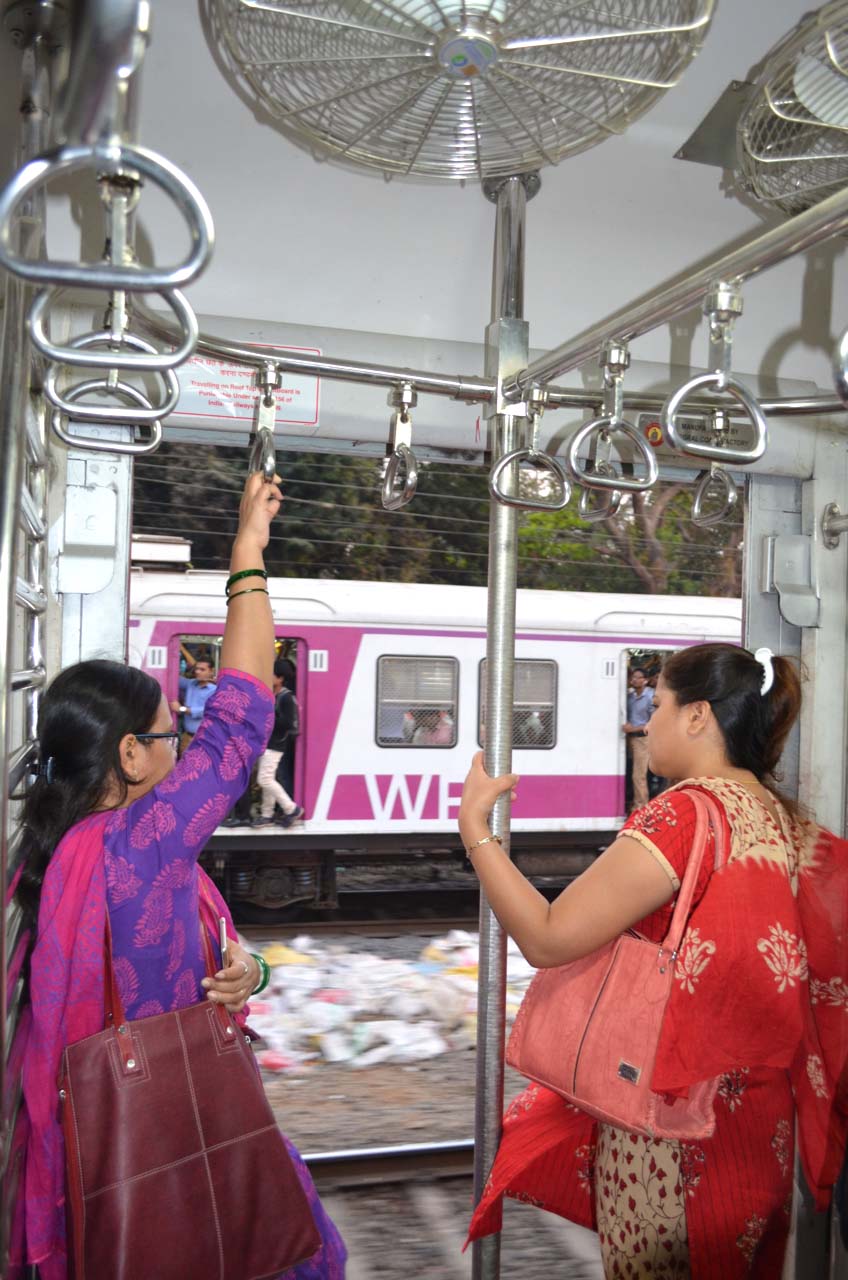
Photo taken from “women only” car. In the background there are men hanging from “men only” car. Doors don’t close, you ride at your own risk.
Between two trains are small hills of trash.
However, this post is about garbage or rather what is being done with it based on what I was told by owners of InDa hotel in Varkala, Kerala. I made a hotel reservation via www.booking.com to find out upon my arrival that the hotel was managed by a young Ukrainian couple. I also found out that a lot of guests in InDa are travelers from post-Soviet countries. To be frank, I avoid places like that because the first thing that comes to my mind is all-inclusive Russian-speaking hotels in Antalya, Turkey. Not here! The people I got meet were those who travel for 6 months in a row, work online, study yoga to be able to teach it in some far away Saint Petersburg, etc. In addition to post-Soviet folks I met Greeks, Italians, French, Germans, Spanish… the list goes on.
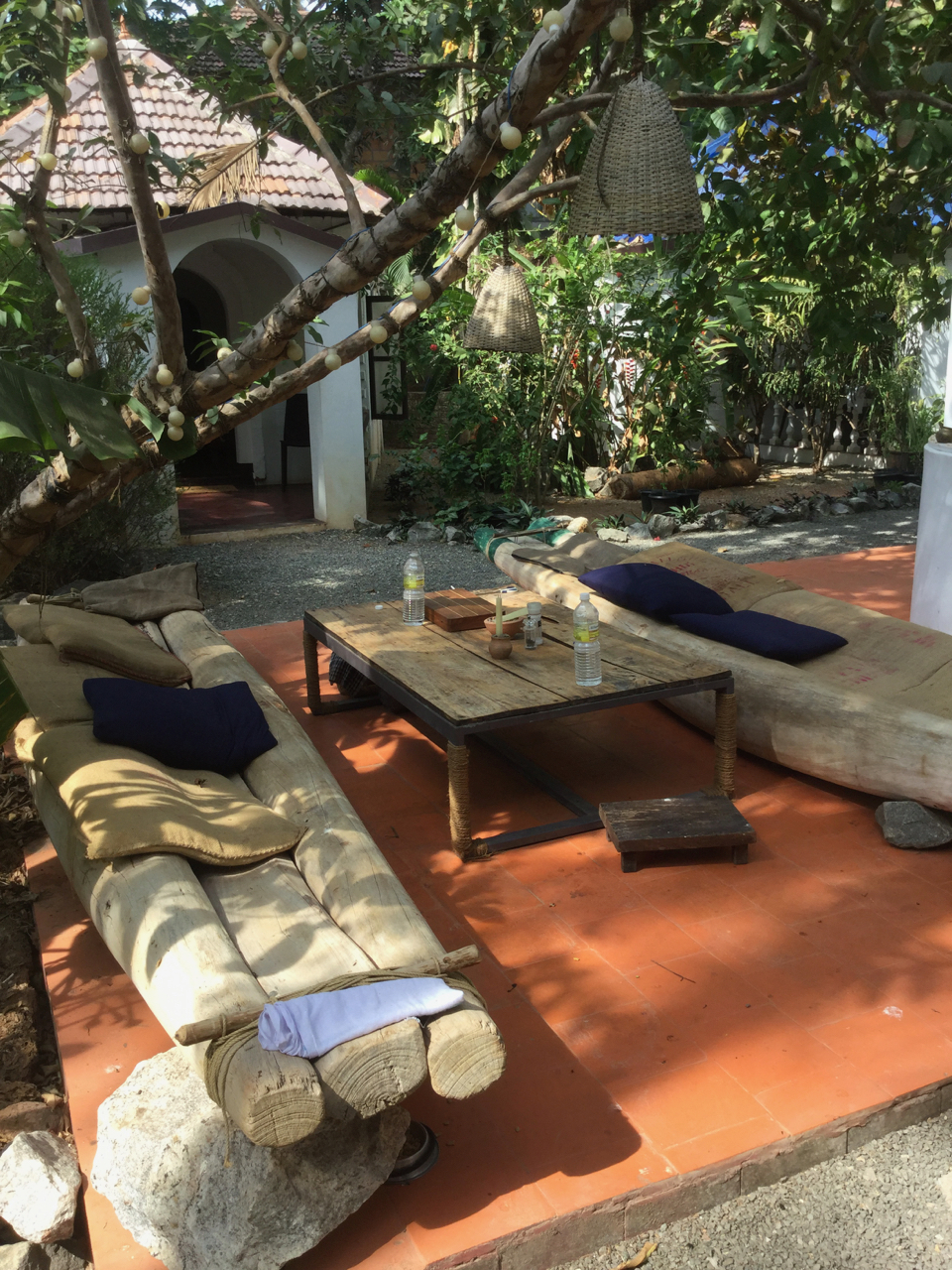
InDa hotel’s chit-chat area
Now back to the garbage…. It is all over the place outside of the hotel like it is everywhere in India. When I dig for a millionth time into logical reasons of “why is it so dirty?” I learn from our Ukrainian hosts the following:
The government can not manage the garbage removal. Each hotel has to invent its own garbage removal strategy. In case of InDa hotel, for plastic, metal and glass waste they made arrangements with some Tamil guy who picks it up and sells it to someone else. Food and organic waste is picked up by another guy for his cows. Occasionally, a cow guy skips a visit and then the hotel uses its compost pit. What’s left is a non-recyclable garbage which is also taken away by someone for a fee.
Basically, what in a civilized country is managed by the government in this case is managed in a very civilized manner by the hotel’s management. This also explains why on the streets there is trash everywhere – well, the government has no resources to dispose of it.
One Saturday I saw an ad on the street for “Clean Varkala Day”. The same day I ran into a German guy who was cleaning a street outside of his homestay. We briefly spoke. He told me that he had been living in Varkala for 6 months going through a yoga training and yes, he believes that cleaning streets is something they (Europeans) must help with to keep Varkala clean and to show Indians a good practice. When I returned to the hotel I told our Ukranian hosts about “Clean Varakala Day”. They said, yes, the Europeans who live here organize such days. Only Europeans, sadly, participate in such initiatives.
I am thankful to live in a smaller country (30 million souls is a lot easier to manage than a nation of 1.3 billion), thankful for our Communist past which put a lot of infrastructure in place, thankful for our Islamic heritage which values cleanliness, however, even in center city Tashkent which is known to be green and clean I often see plastic bags with trash along sidewalks while a garbage disposal bin is only 10 meters away. This makes me believe over and over again – it all comes down to people not caring about how they live.
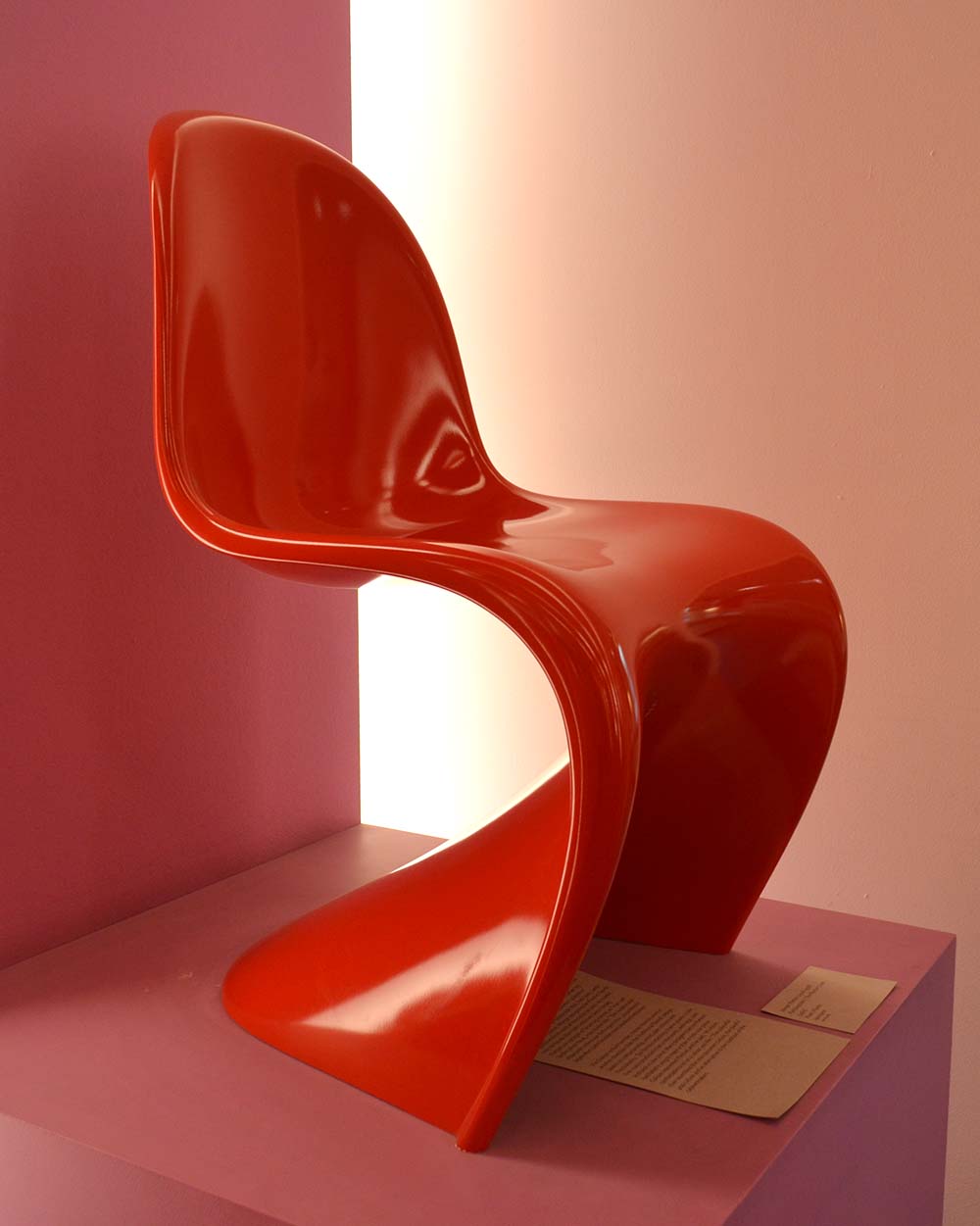
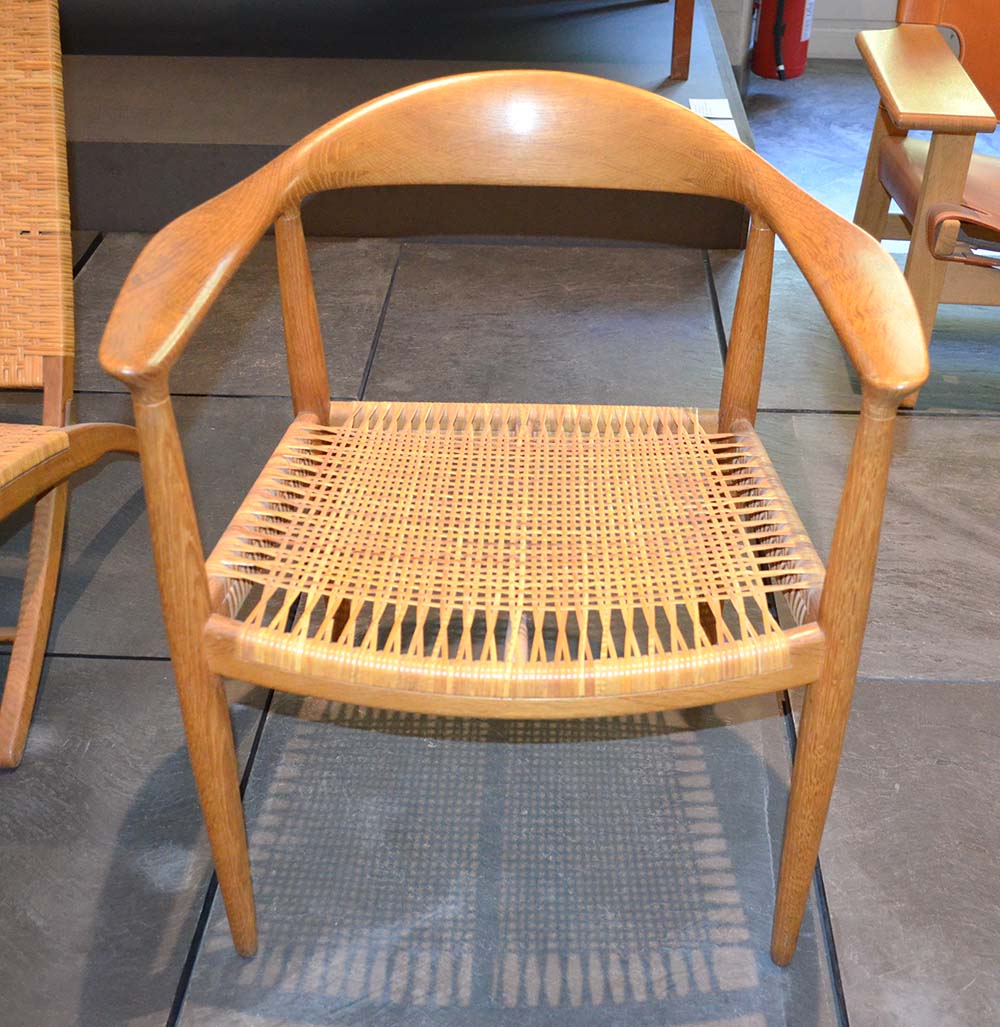
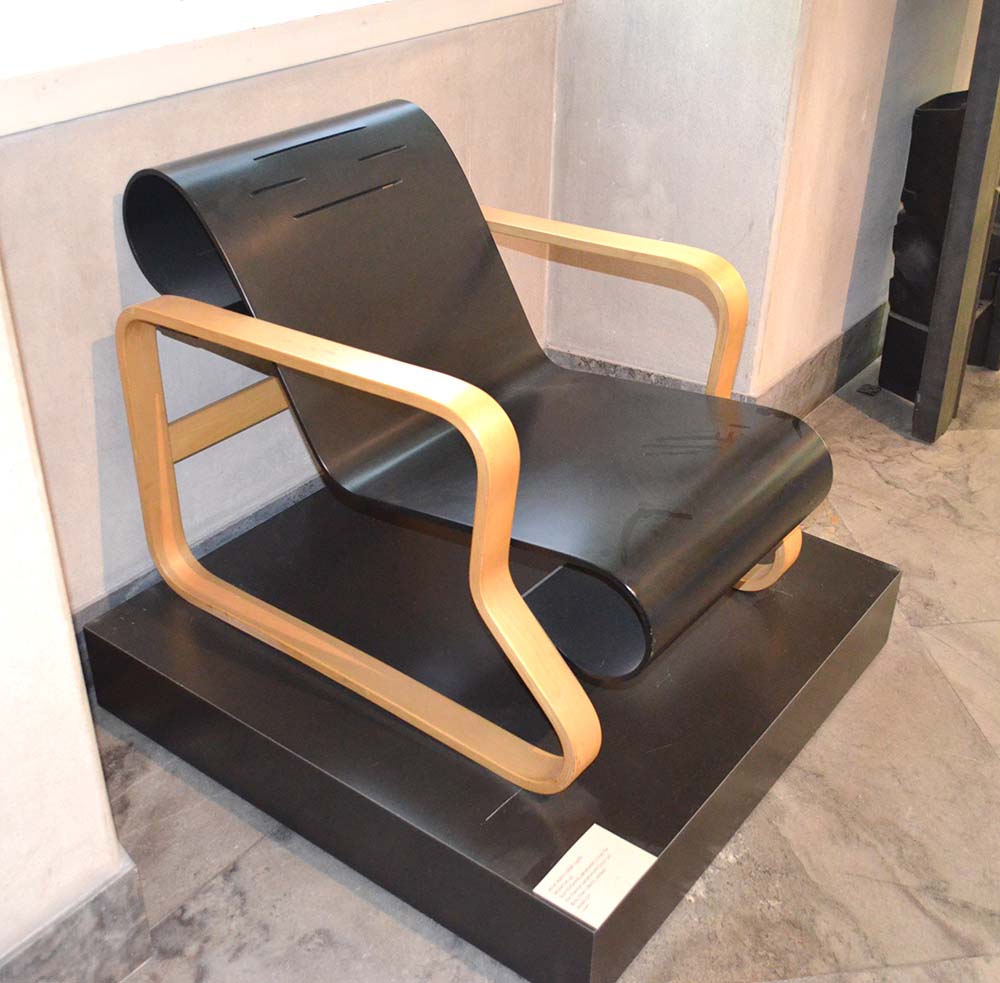
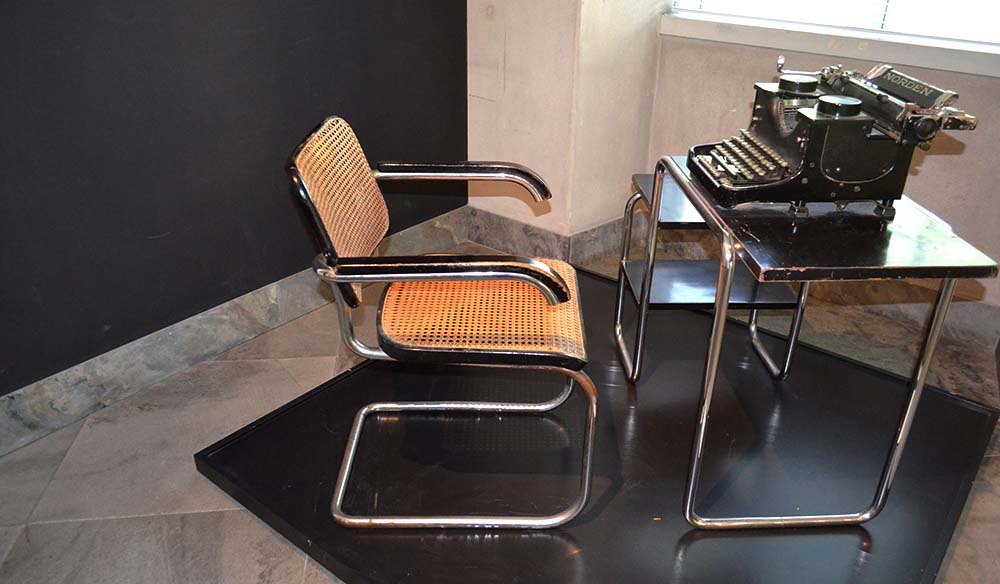
I am preparing my computer for spring cleaning and as always finding tons of information with a mental label on it “later”: ” to read later”, “to use later”, “to sort out later”. That “later” day has finally arrived for photos from a visit to a Design Museum of Denmark. This post is dedicated to mid-century chairs designed primarily in Scandinavia. Most of these chairs have become truly iconic. They are manufactured to these days and are widely used in interiors.
I am writing this post to myself and other interior designers who may need to put together a chair with a name 🙂
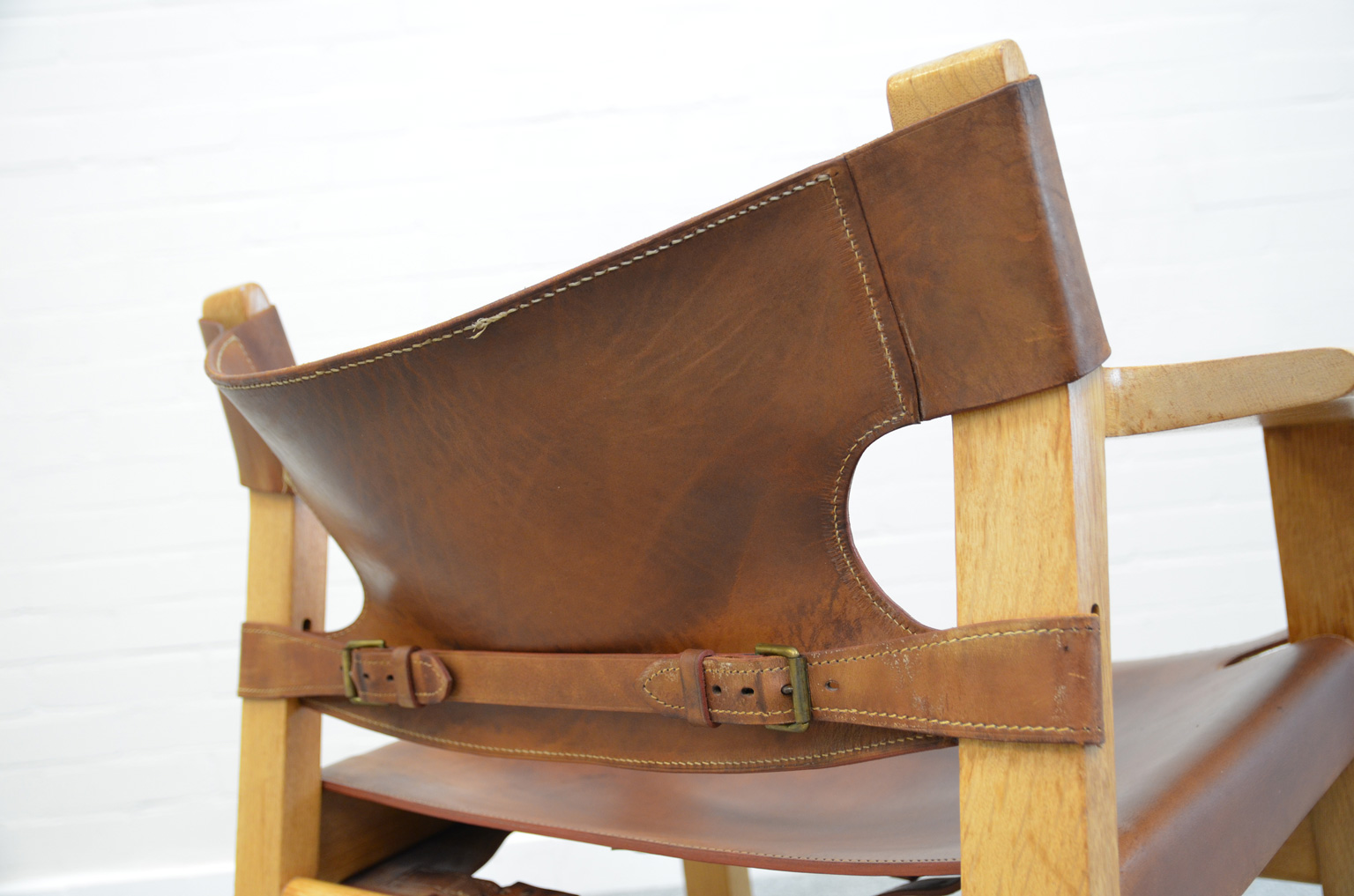
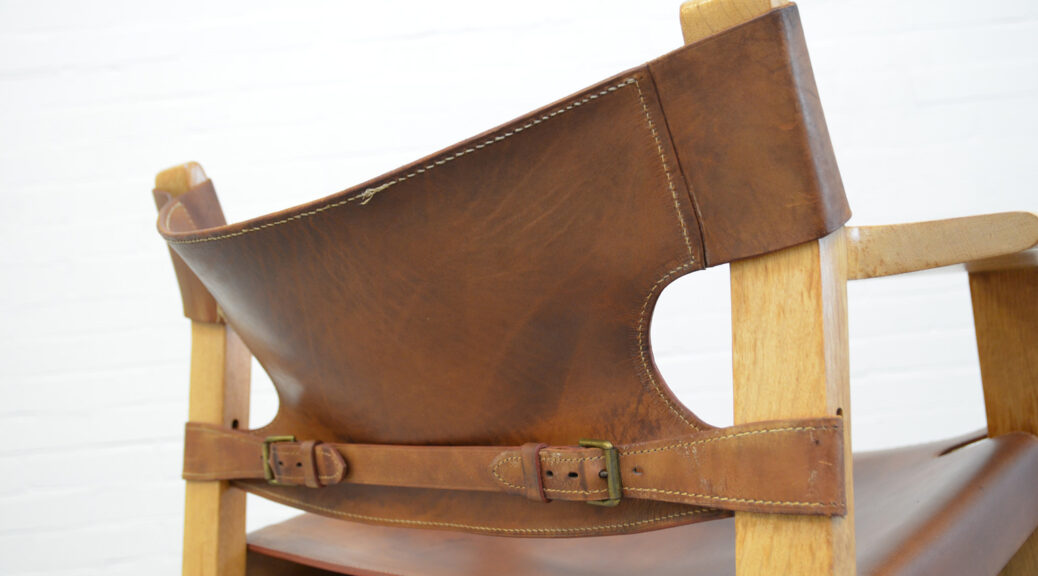
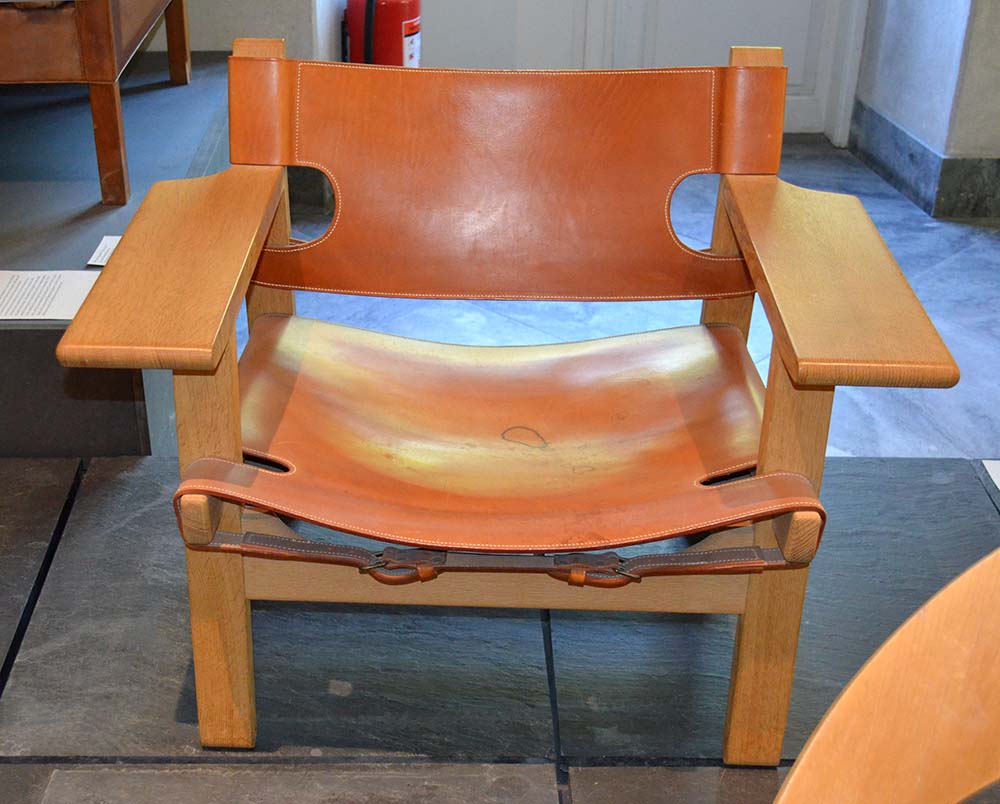
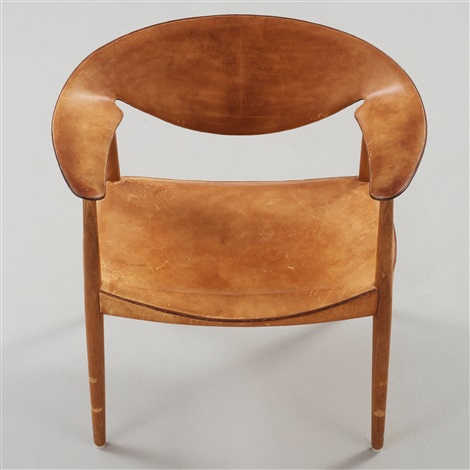
Spanish Chair by Borge Mogensen (1958)
Materials: Oak / leather. Manufactured by Fredericia Stolefabric.
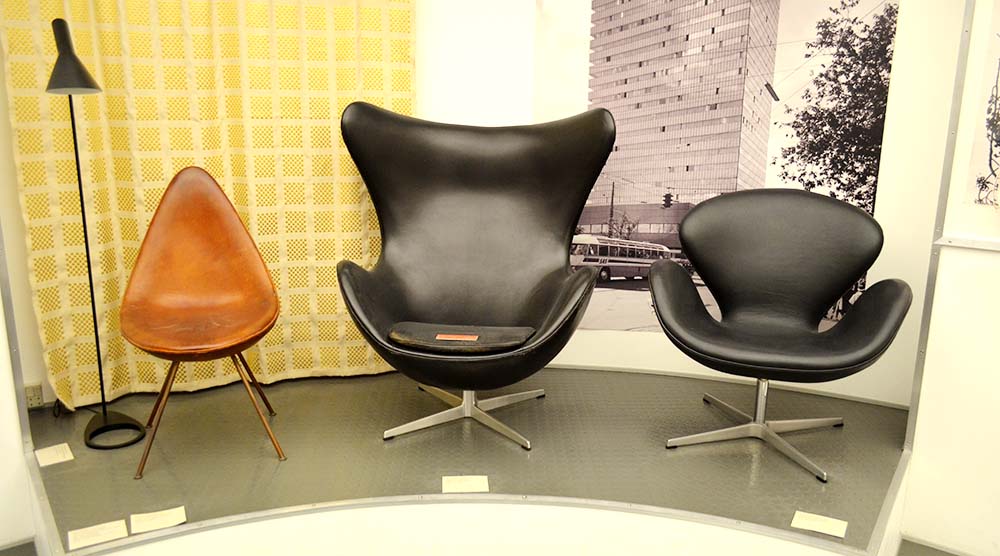
Arne Jacobsen (I believe all of these was designed specifically for SAS hotel in Copenhagen). From left to right: Curtain fabric for SAS Hotel (1959). Materials: flax, silk, gold thread The Drop chair (1959). Materials: metal, leather. The Egg chair (1957). Materials: steel, leather. The Swan chair (1959). Materials: steel, leather.
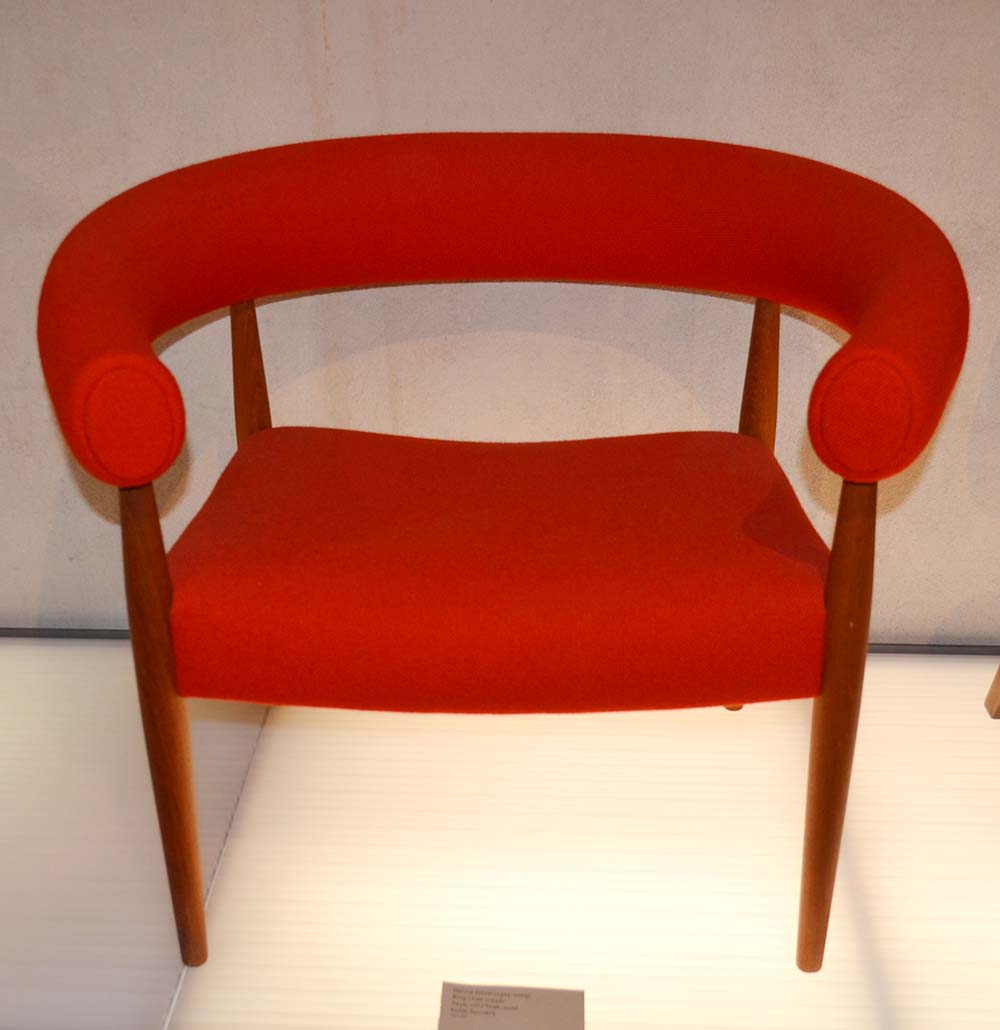
Ring chair by Nanna Ditzel (1958)
Material: Teak wood and wool
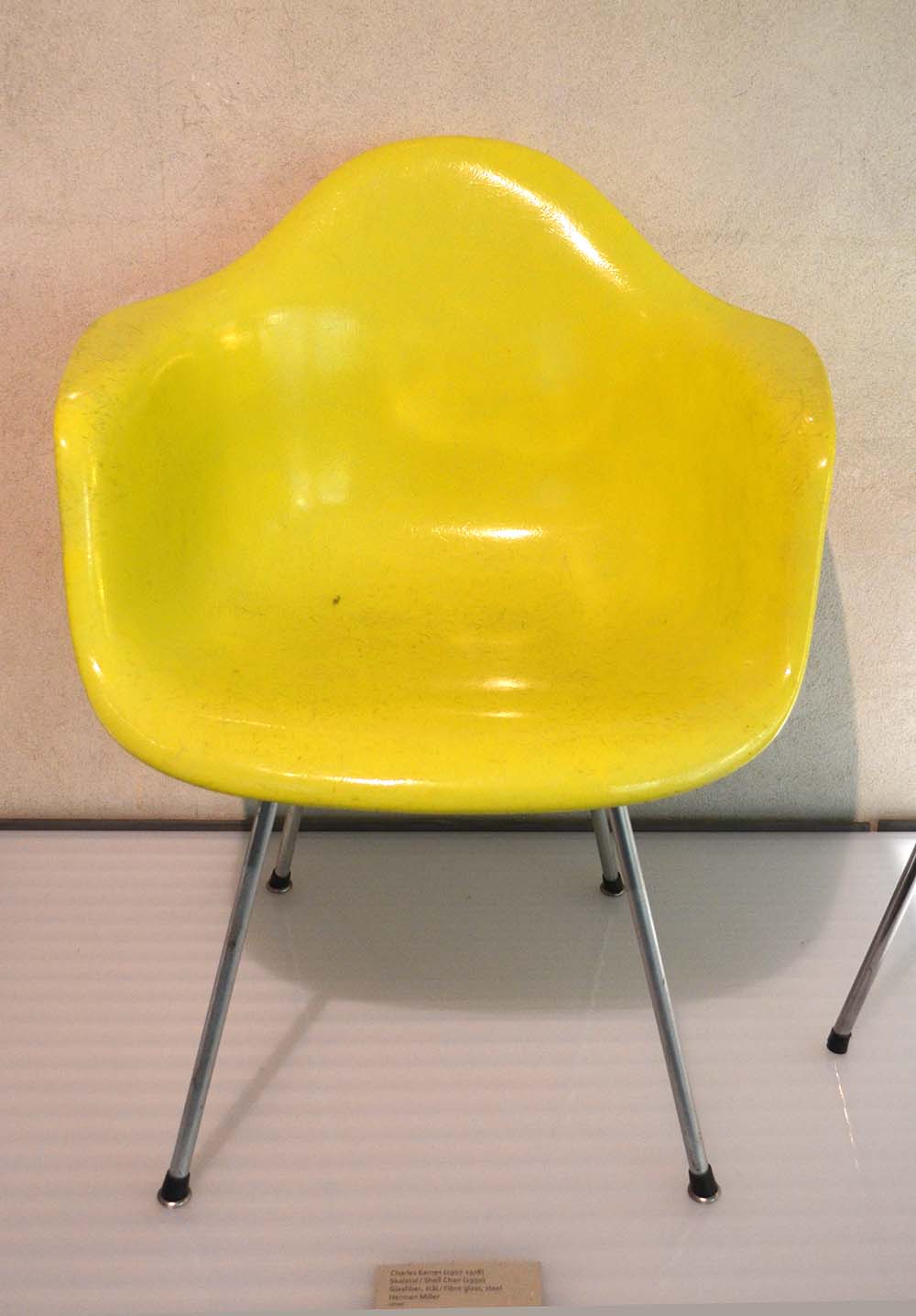
Shell chair by Charles Eames (1950)
Materials: Fiberglass, steel. Manufactured by Herman Miller.
Panton chair by Verner Panton (1960)
“The Chair” by Hans Wagner (1949)
Materials: oak, cane
Alvar Aalto Model # 41, Chair for teg Paimio Sanatorium (1031-1932)
Materials: birch, veneer
Here I am at 6:30 am on December 31, 2016 going over my year – nothing too deep, seriously, I just couldn’t sleep 🙂 Going back over the past 12 months I feel that 2016 was good to me, though at times, things got {very} emotionally turbulent.
I am grateful for the health, love, family, friendships, wonderful clients and interesting work – these things alone make me feel super lucky!
May Health, Wisdom, Love, Kindness and Prosperity be with us in 2017! May 2017 be a year of new adventures, new discoveries but first and foremost HarmonyandPeace Around the World!
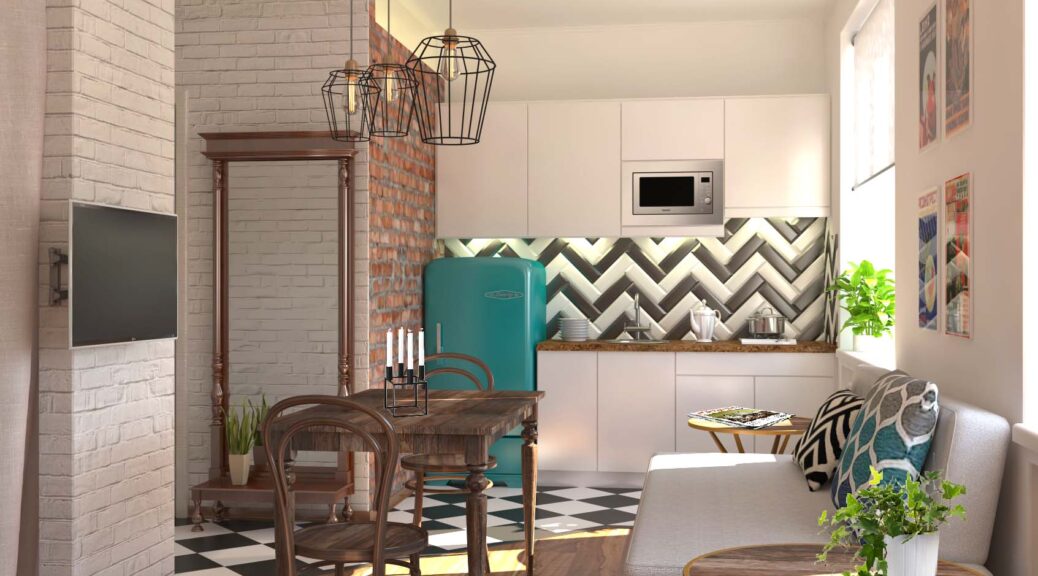
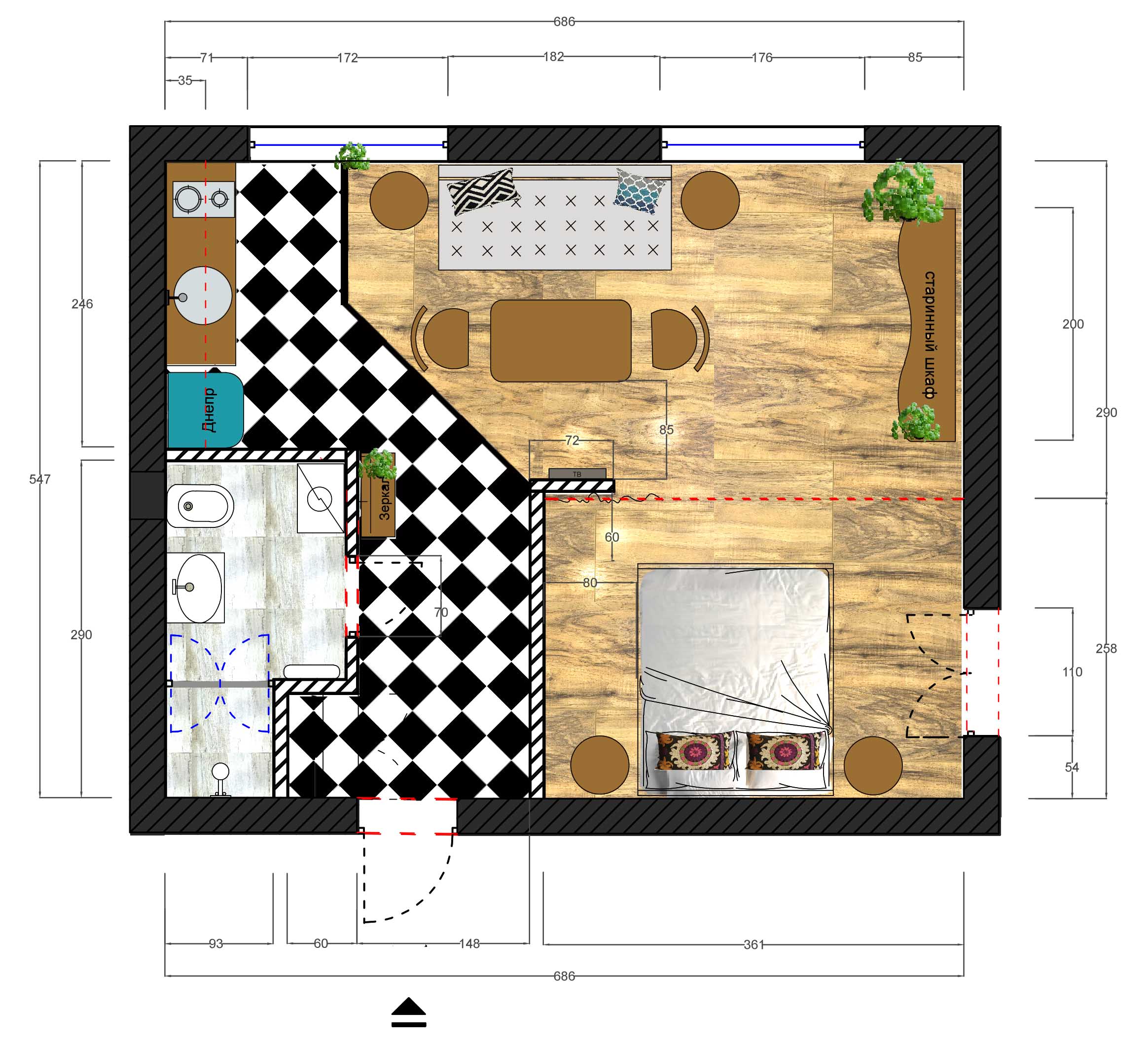
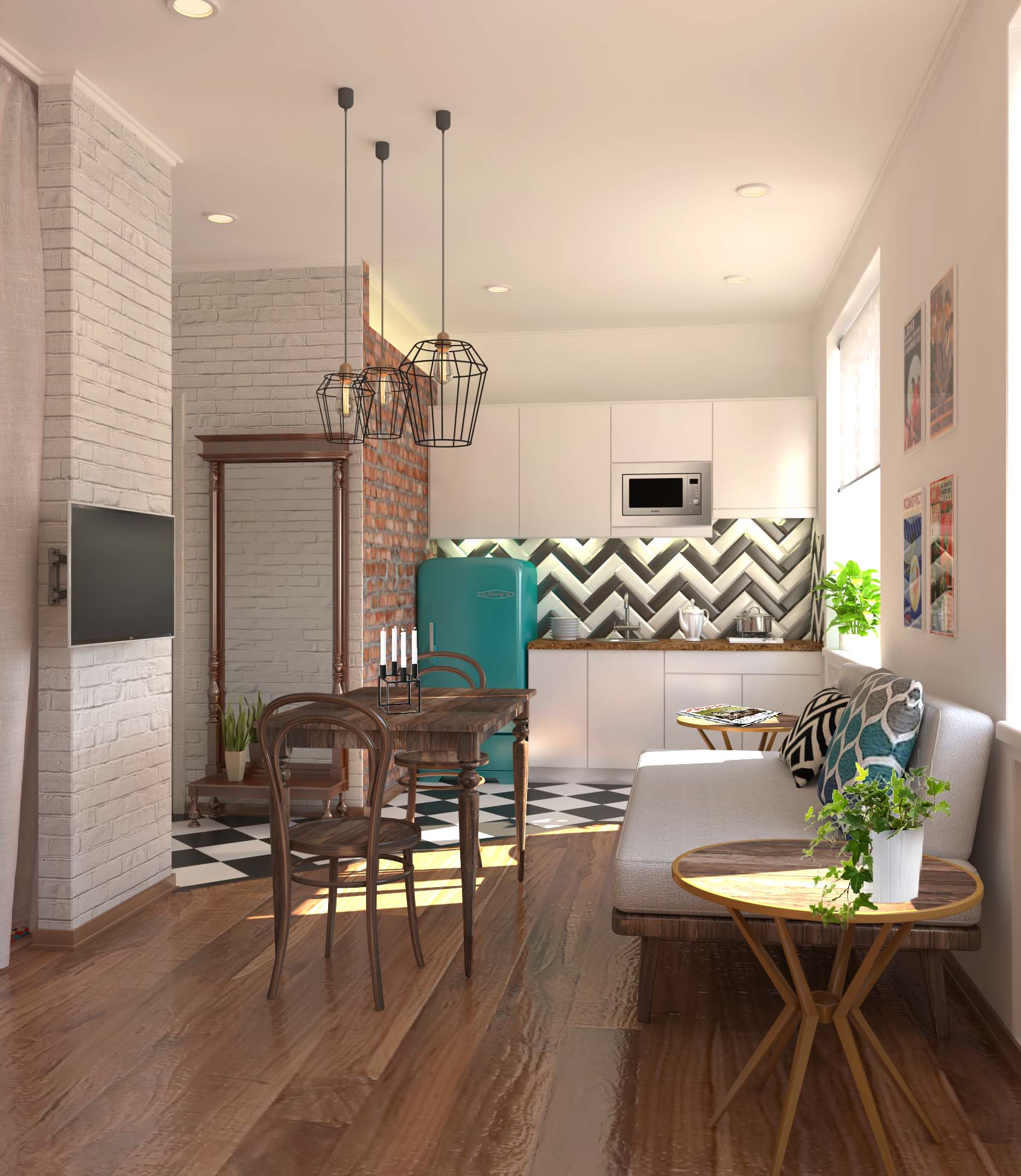
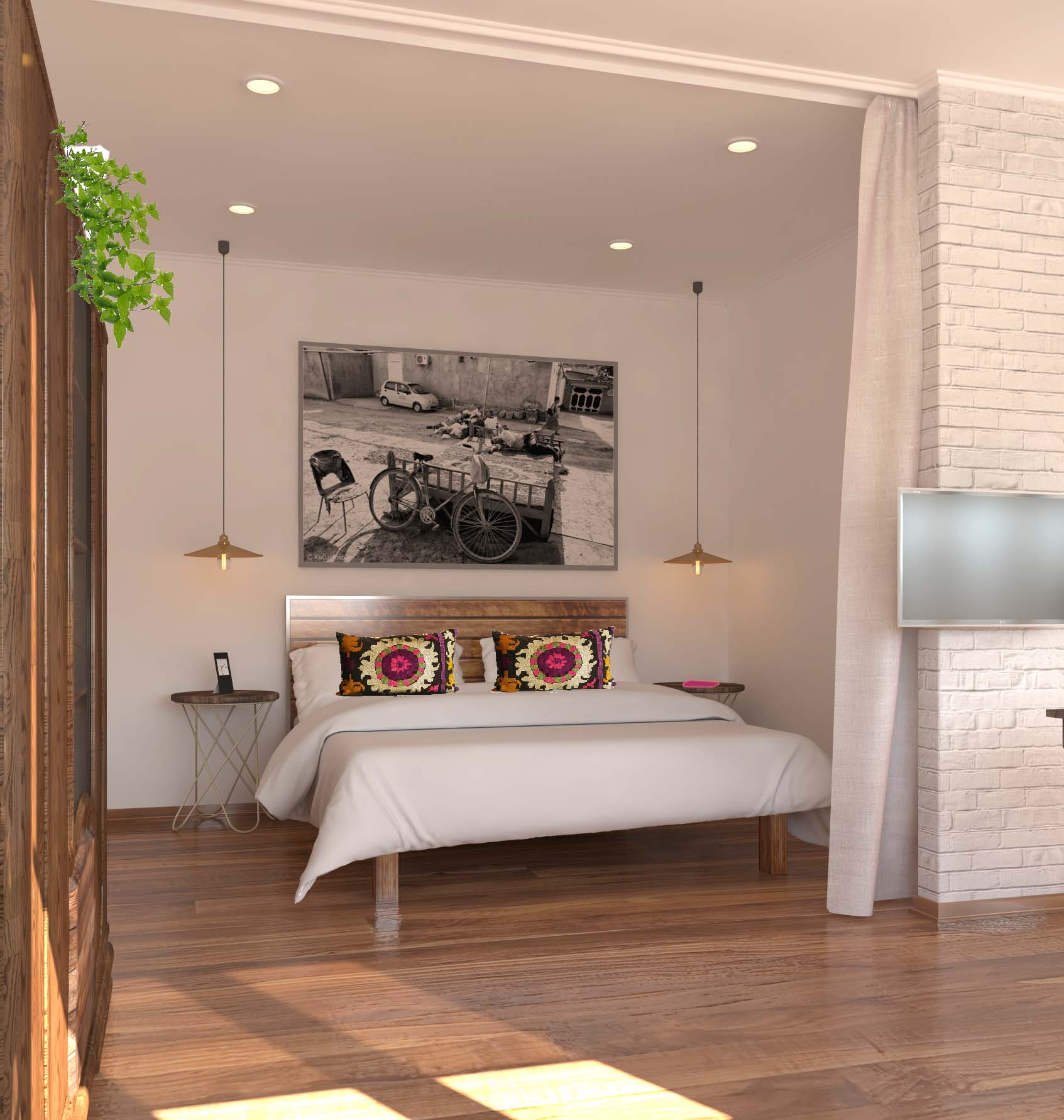
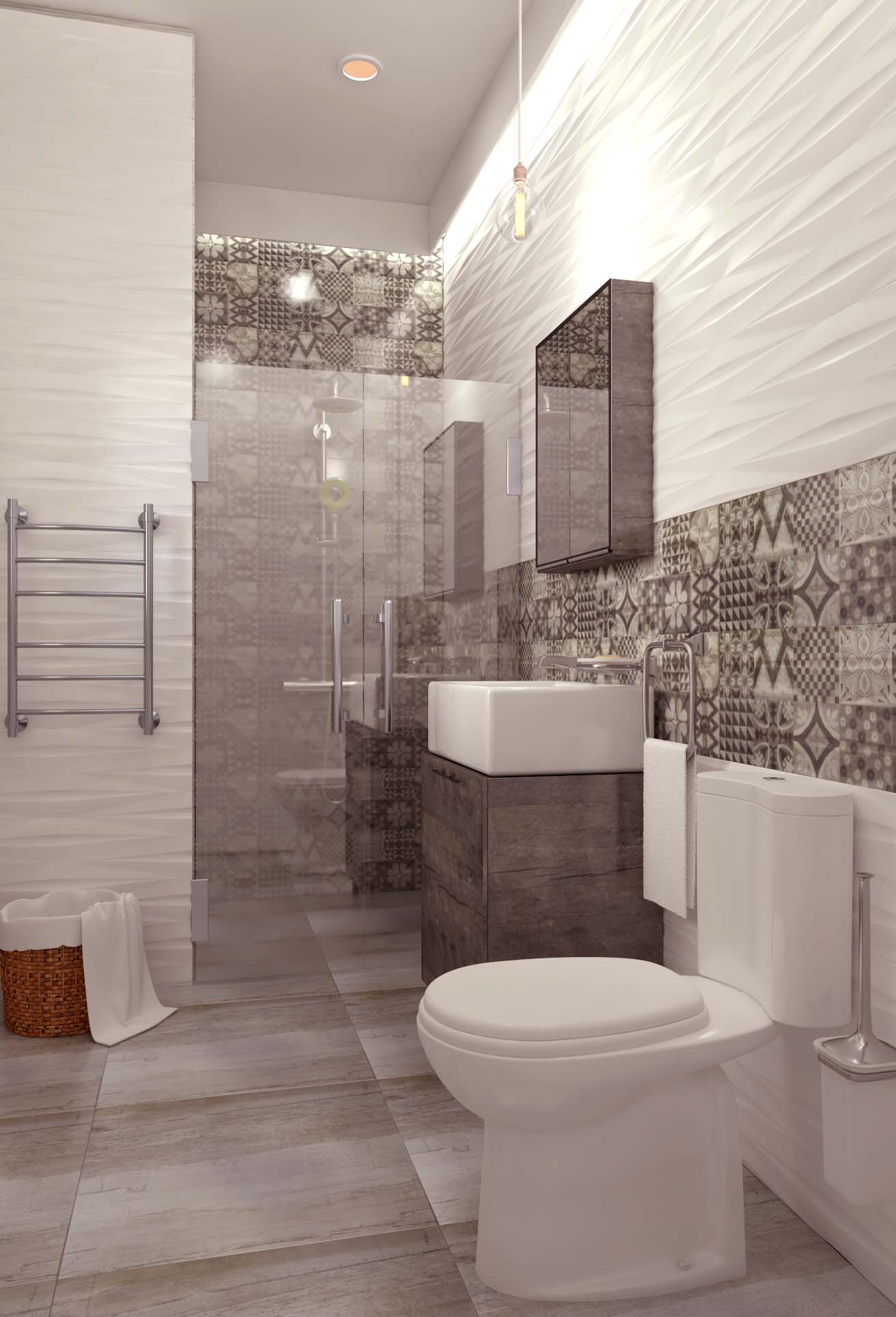
Квартира в 37.6 кв. м. досталась по наследству со старинной мебелью – большой сервант, комод и высокое зеркало, все темно-коричневого цвета. Задача была оставить всю мебель и при этом создать квартиру в которой могли бы жить двое (пара) + 1 гость.
Как правило, обставляя маленькие квартиры габаритной мебелью, да еще и темного цвета, мы визуально делаем маленькую квартиру еще меньше. Однако, если клиент хочет оставить мебель, то приходится искать варианты устроить все так, чтобы все поместилось, но в то же время квартира выглядела просторной (к сведению, от комода все таки пришлось отказаться)
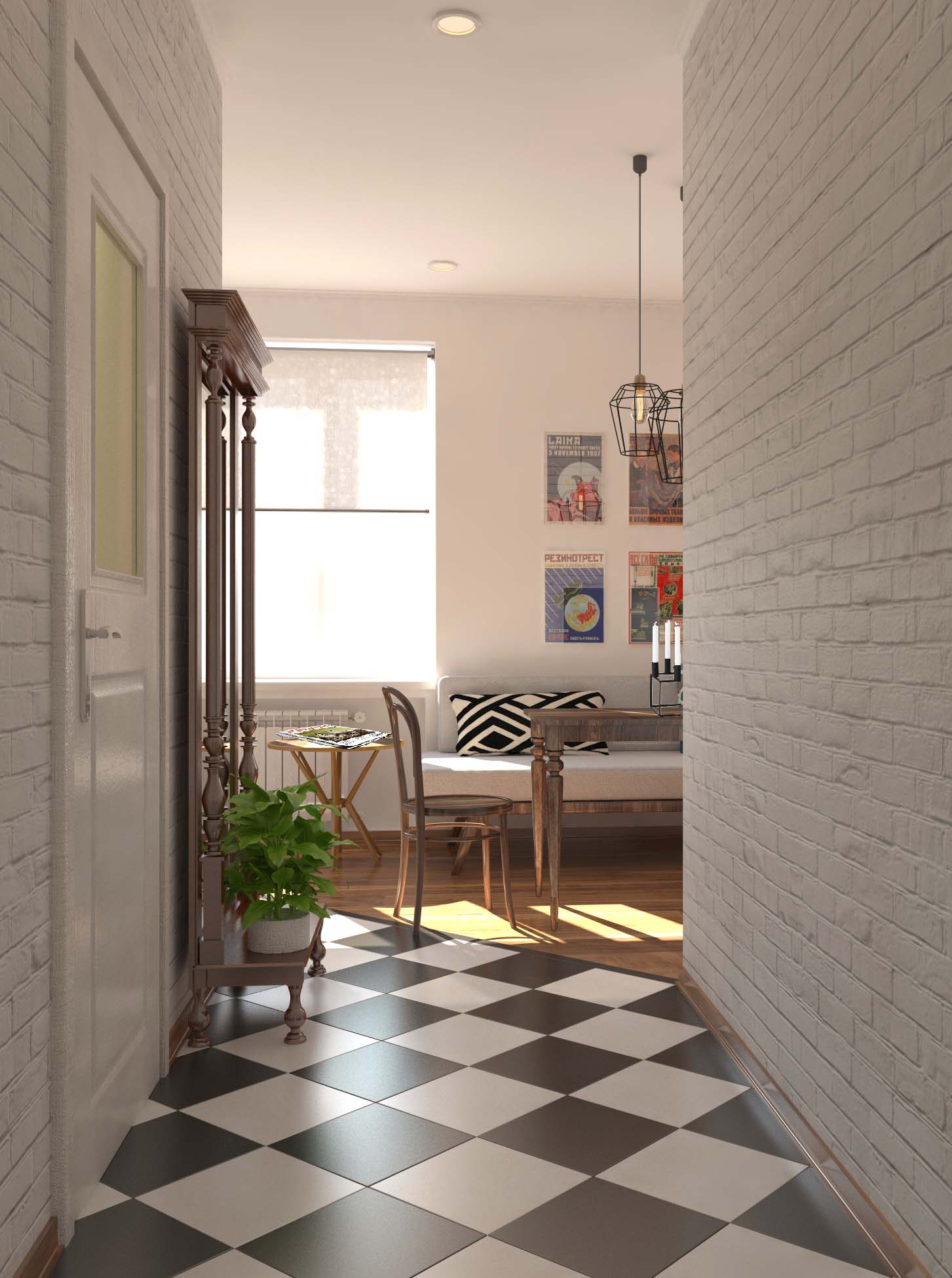
Квартира готовится для сдачи туристам, которым кроме городов Шелкового пути и узбекской культуры также интересно наше советское прошлое. Поэтому, в качестве декора я использовала постеры советских времен. Я также оставила старый, но рабочий, советский холодильник “Днепр” – мы его просто перекрасили в другой цвет.
3D визуализация: Aтабек Касымов. Все остальное – я.
Планировка мебели
Вид с входной двери. Старинное зеркало слева
Кухня + зал
Вот он, старинный сервант!
Спальня | Photo credit: Matt Kollasch http://www.kollarfoto.com/
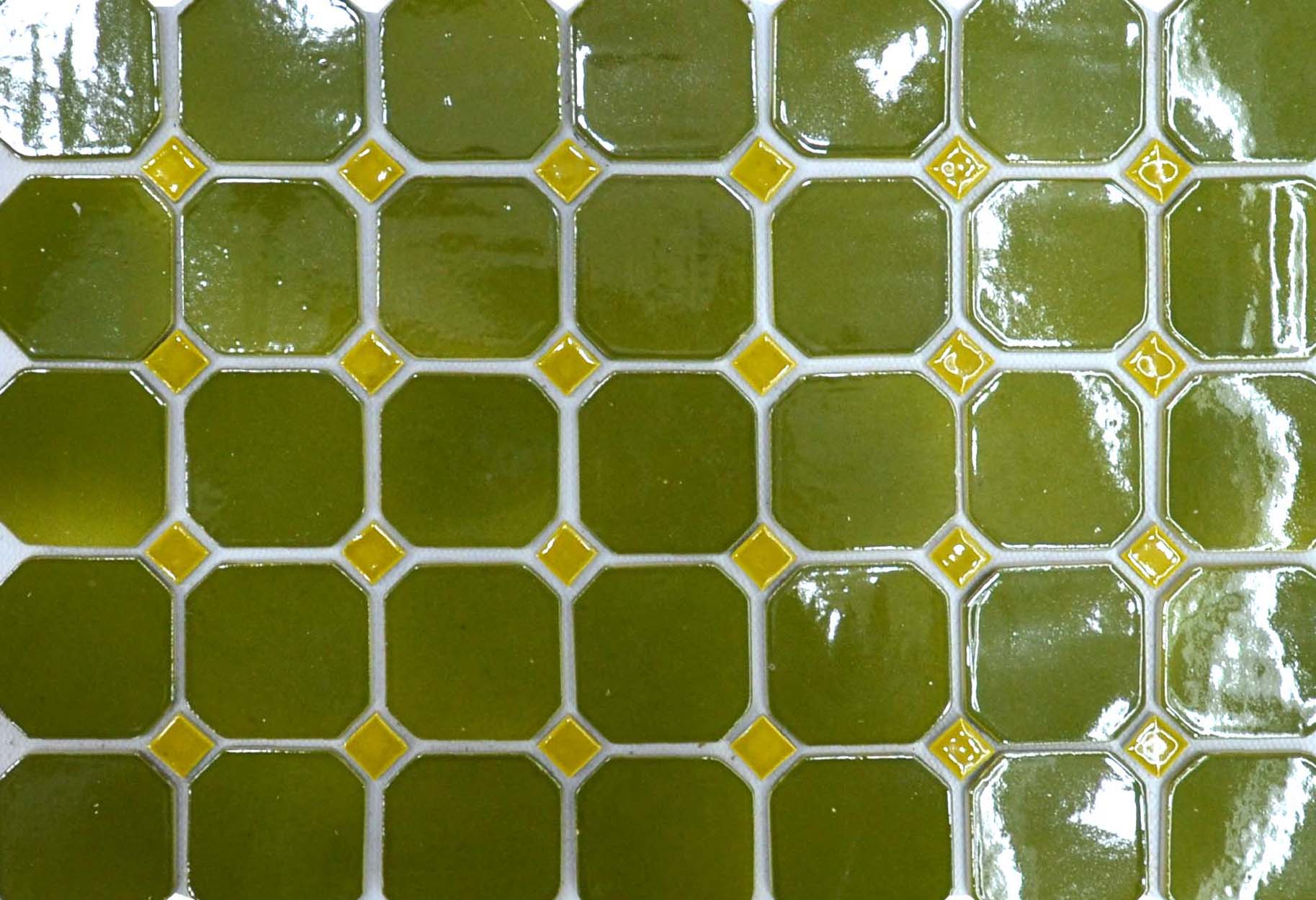
На прошлой неделе подбирала кафель для проекта и зашла в один из магазинов на Жомий, в котором я всегда нахожу что-то интересное. Возле выхода, так, между прочим, лежит на табуретке еще не выставленная на витрину майолика. Красивые цвета, приятная текстура. Моя первая мысль – будет интересно как это будет выглядеть на “фартуке” на кухне.
Спрашиваю продавца откуда такая красота. Он меня удивляет ответом “Это наша, узбекская” и продолжает “но стоит она дорого …”. Дорогая майолика стоит 300 тысяч узбекских сум за квадрат (по базарному курсу это около $44). Для тех кто не в курсе цен на кафель, $45 и выше – это цены на испанский кафель Made in Spain. Спросите почему так дорого? Оборудование из Испании, было завезено очень дорого.
Размер плитки 45см x 30 см в магазине Venus Ceramic, который среди дизайнеров и кафельщиков больше известен как “У Альберта”.
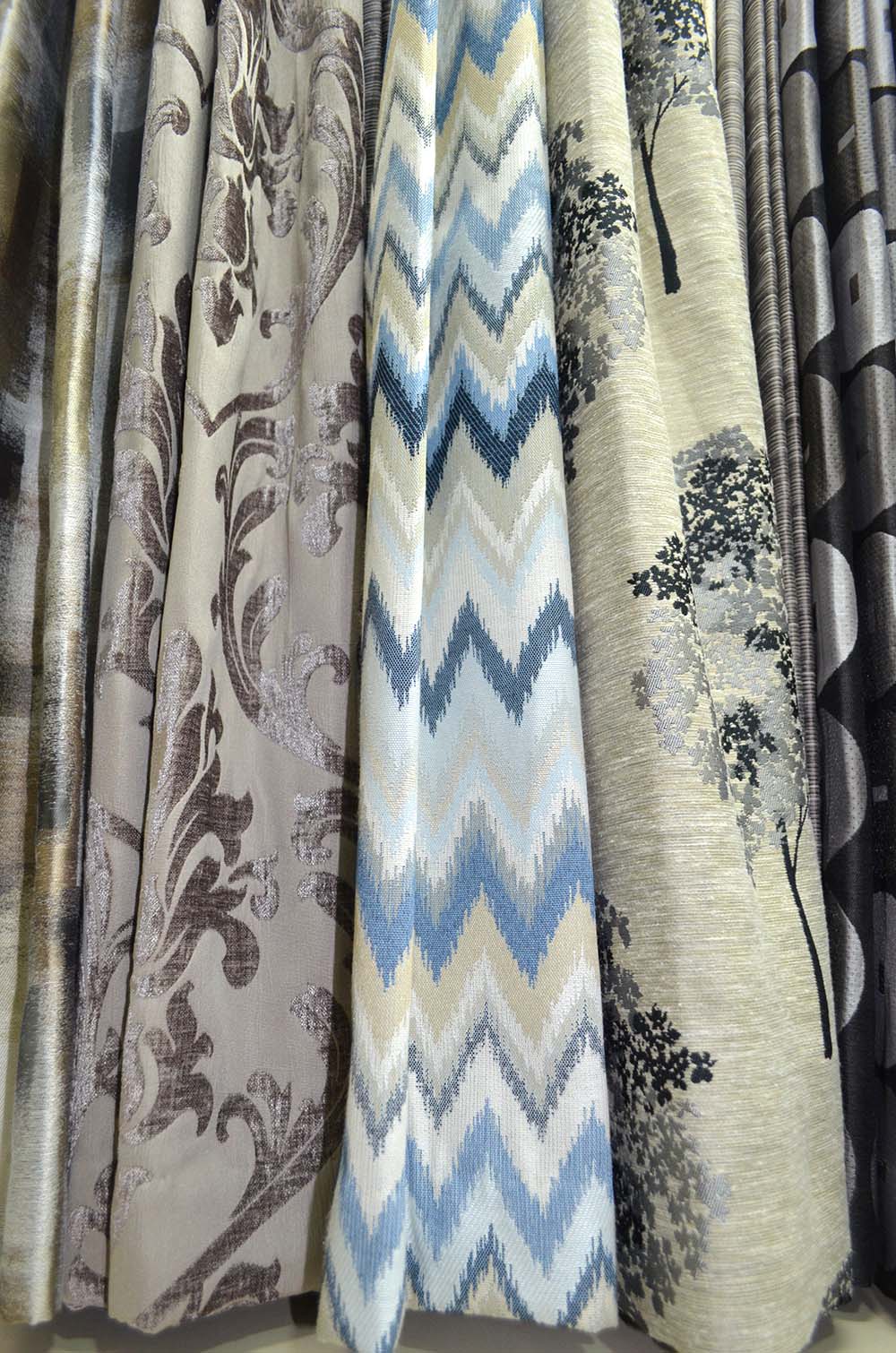
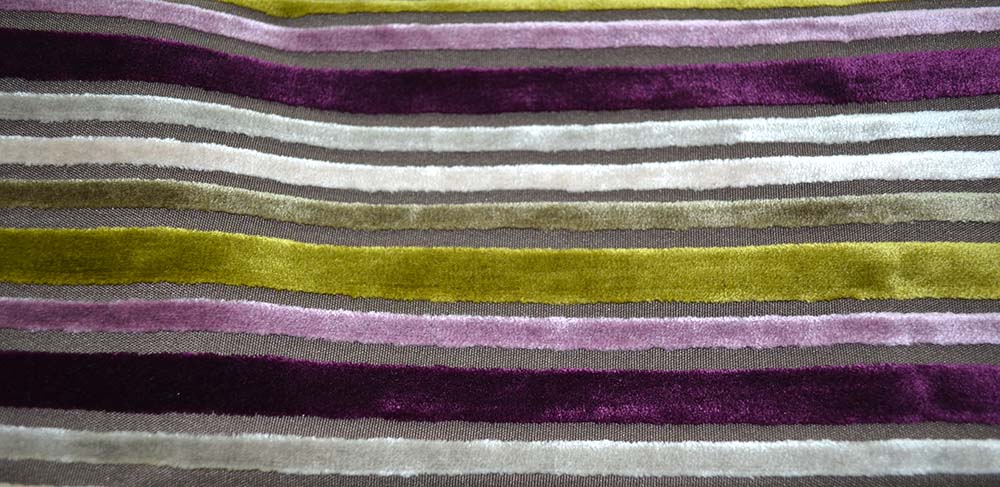
Отличная новость для дизайнеров и не только – в Ташкенте открылся новый магазин портьерных и обивочных тканей британской фирмы iLiv. Я имела возможность на прошлой неделе пообщаться с представителем фирмы iLiv Ферузой в Ташкенте и воочию пощупать ткани.
Выбор тканей огромный и что особенно радует минималистов вроде меня есть большой выбор тканей для интерьеров в стиле минимализма и хай-тека. Эко-дизайнер во мне ликовал при виде тканей из натурального льна и хлопка.
Для родителей, которые думают об обустройстве детских комнат, iLiv предлагает отдельную коллекцию гипоаллергенных тканей.
“My theory is that this lack of “starting” is attributed to two stupid things: perfectionism and fear.”
Emily Henderson
As I was doing some research this morning I stumbled upon a blog of Emily Henderson (LA based interior stylist, for those of you who like myself haven’t heard of her until this morning) and got sooooo carried away watching her styling videos. You can check them out on your own here (there are some great decorating tips in them, just FYI ), however, this post is about a specific article Emily wrote not too long ago which resonates with two other books I am currently reading – “Big Magic” by Elizabeth Gilbert and “Show you work” by Austin Kleon.
“Show your work” by Austin Kleon. 10 ways to share your creativity and get discovered.
How do you start a creative career, any creative career? From my own experience I know it is a change, a challenge and my answer is “Just start” and once you start you follow Nike’s slogan “Just do it”. For more elaborate discussion on the topic you can first read “Big Magic” and then “Show your work” but key points are:
A) you need to overcome your fear, and
B) you need to be breaking out of your comfort zone daily and showing what you do, even if your work is far from being perfect.
Elizabeth Gilbert in her “Big Magic” talks about how fear becomes a glass wall many people never manage to destroy to start doing what they have been wanting to do for years, sometimes their whole lives. She has an interesting way of talking about ideas as energy life-forms which come to a person waiting for the person to materialize them and if the person does not act on it, the idea picks itself up and goes to someone else who is more willing and ready to collaborate. I can totally relate to this because I have learnt for myself that if I have a recurring idea visiting me over and over, it just means that the idea is nagging to come to this material world through me. I have also seen how an idea that came to me and I never followed it through was implemented by someone else.
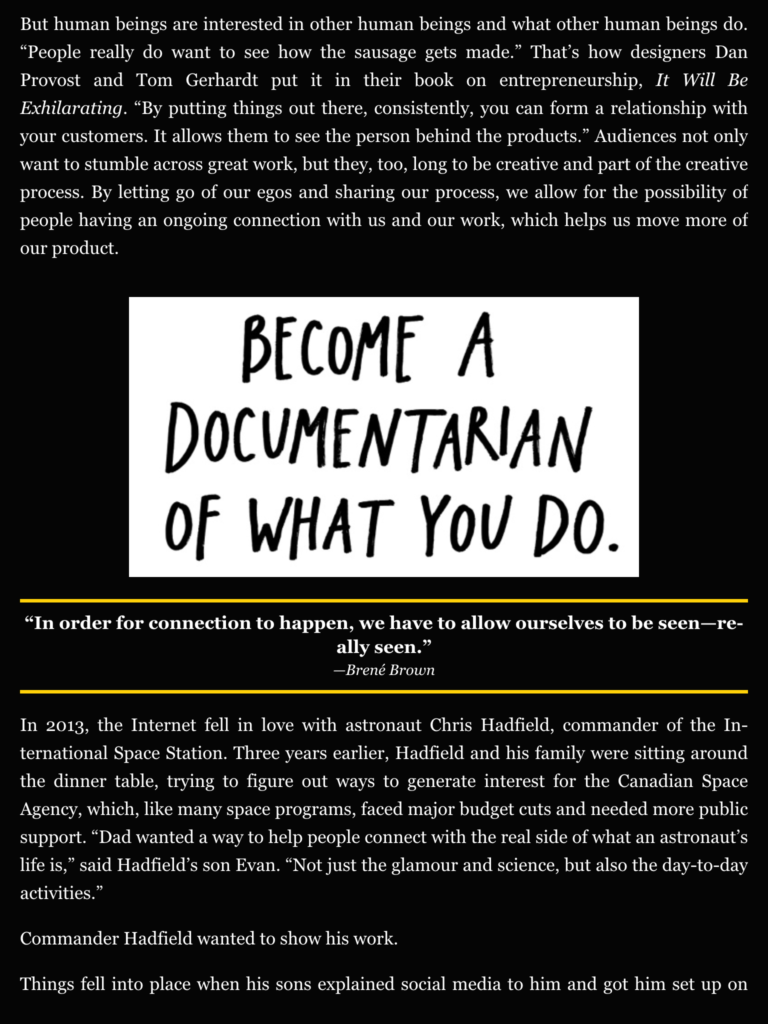
“Show your work” by Austin Kleon is about getting your work out there (still focusing on your work and not necessarily joining the glamorous world of La Boheme) and showing what you do using social media, taking your audience behind the scenes, sharing the process of creating, telling the stories behind the work because each step is influenced by something that we hear, read, see, try, fail, try again, fail again, try until you get it. Important point to remember is what needs to be shared is work or things related to work – not cats, dogs, lunches, babies, sunsets, selfies, but WORK!






















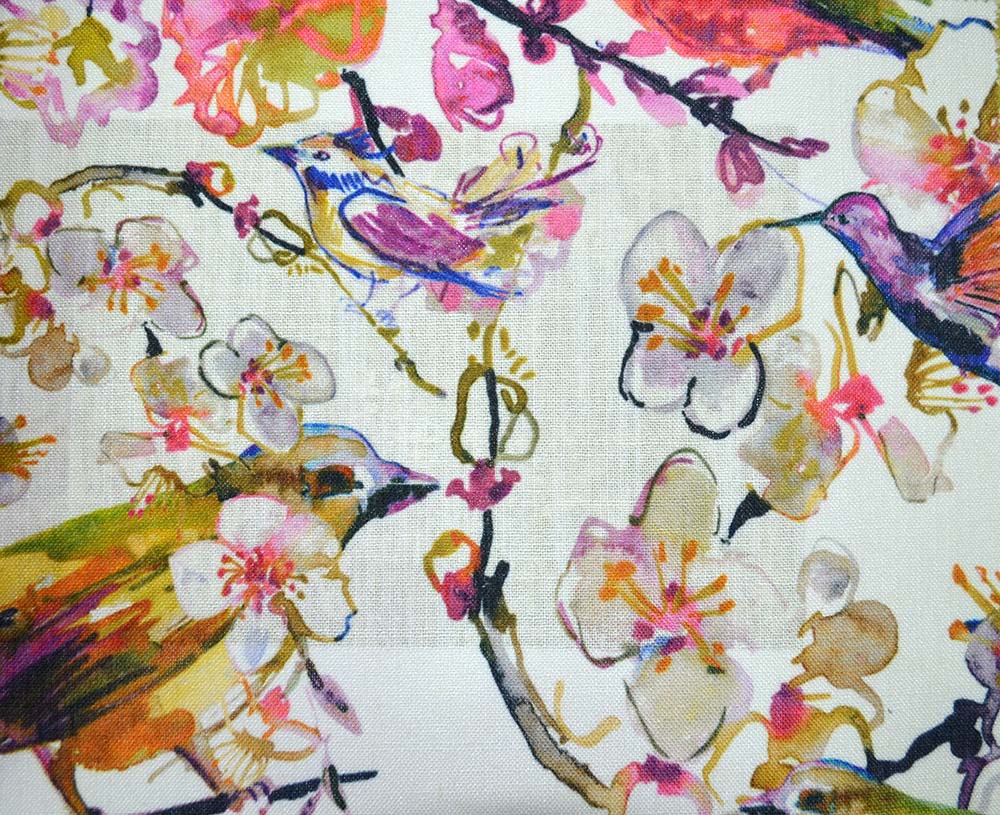
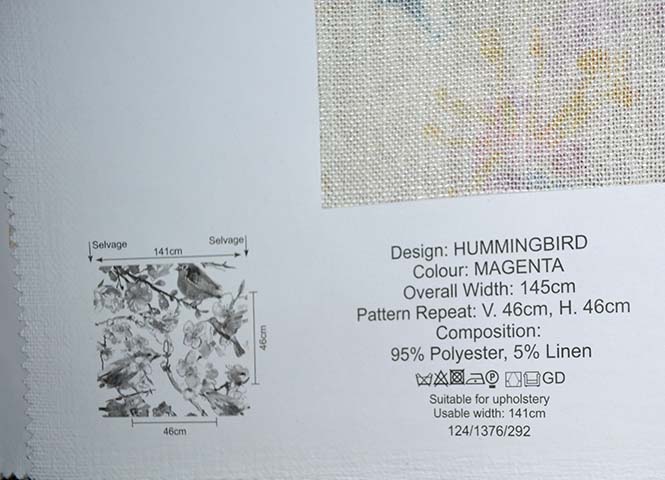 Дизайн: Hummingbird. Используемая ширина ткани 141 см, подходит для обивки и для штор,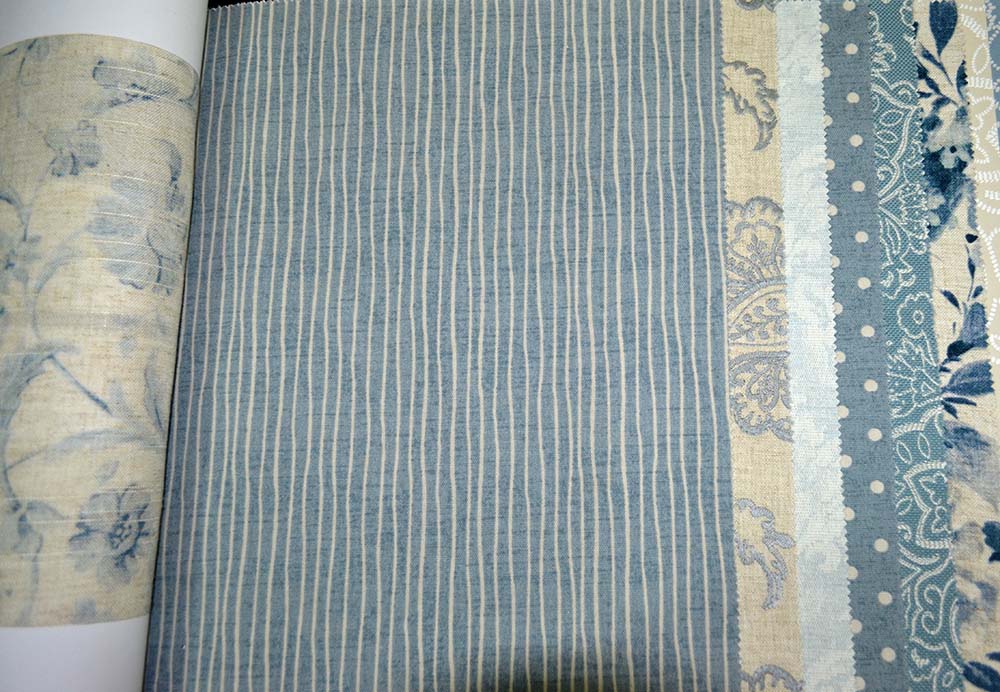
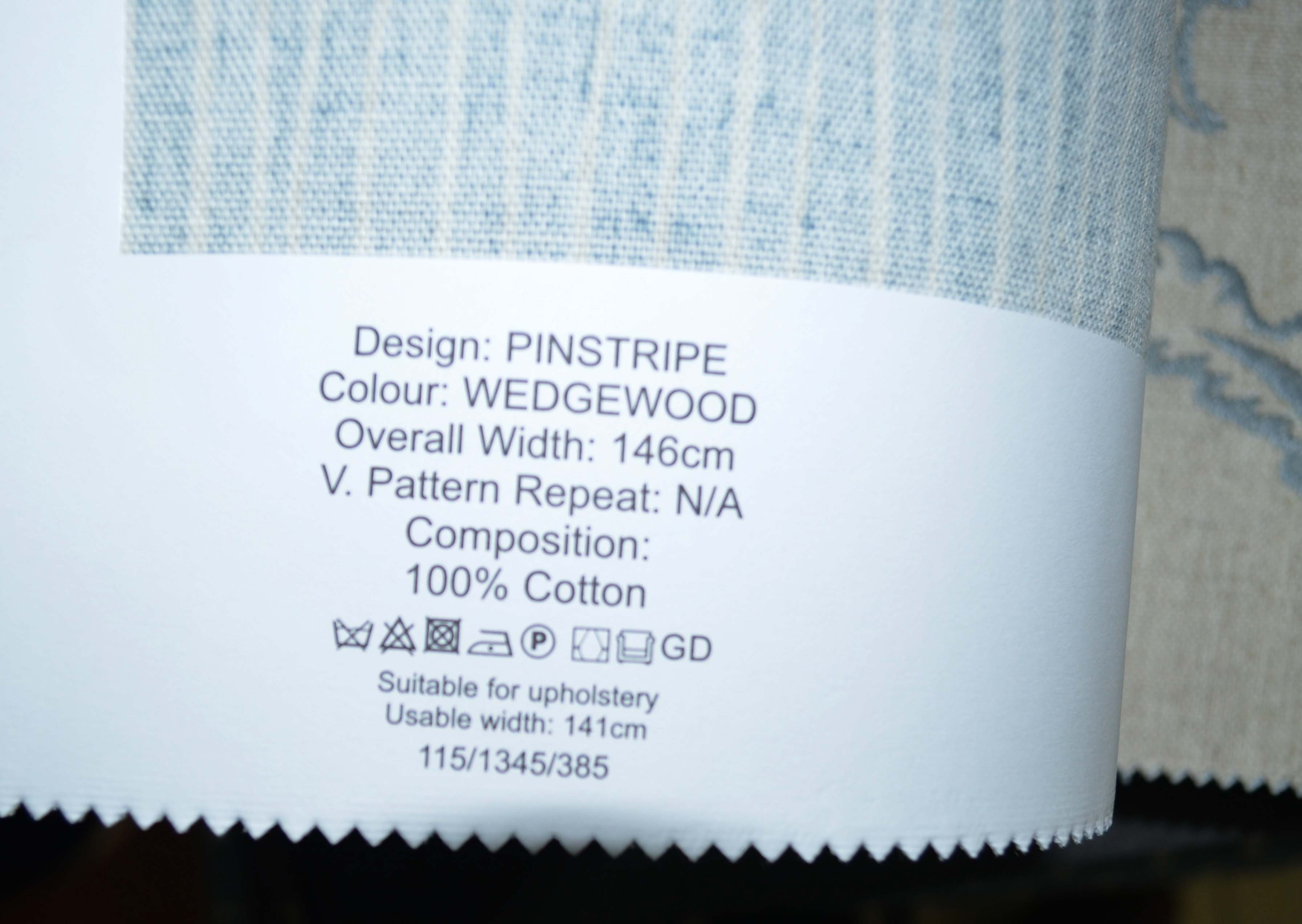
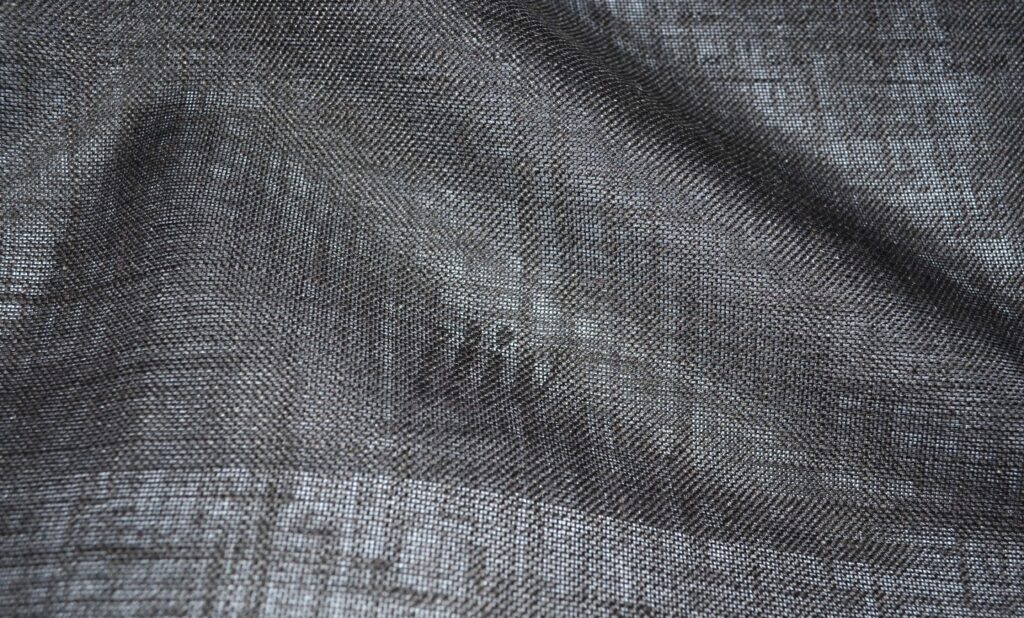 Не знаю как вы, но лично я вижу какие шикарные получатся портьеры из этой ткани. Состав ткани: полиэстер + лен