All posts by nilufar.pulatova@gmail.com

TV and where to place it? How about nowhere?

TV, television
‘This is a very thought provoking program. The thought it’s provoking is: Why am I watching this garbage?’


I don’t watch TV. I haven’t watched TV since I was 16 and I stopped watching it because with my high school graduation exams and entrance exams to the university I physically had no time for it. That “preparation for exams” period lasted for almost a year and as we all know, we only need 40 days to create a new habit and 180 days for a habit to become “you”. Since I was well beyond 180 days period, TV’s and my way parted for good.

Having said that I notice that I have a struggle or, rather, an internal resistance,  to plan a space for TV in my projects. I have clients who occasionally ask me for a TV in their bedrooms. Ladies and gentlemen, bedrooms are meant to be used for something else! Moreover, having a TV in the bedroom is counter-productive to a good night sleep, in other words, your health!

I have also met people who placed a TVs in hallways – seriously, how badly are you afraid of missing the latest news from Syria?

TV in a dining room – I know it is a tradition and we need to respect traditions but family gathering around a table, talking about their day rather than staring at “the box” is a much older and healthier tradition.

TVs in cafes (which,  sadly, became  so popular in Uzbekistan) is a story  which requires a separate post but my 2 cents – you place a TV in a cafe when you have nothing else to offer other than a mediocre food paired with a mediocre entertainment. So what do you do? You place a TV on a height of 2 meters so everyone can watch it from any place.

Why am I writing this? Because I am working on an interior design of a small apartment and if not for TV, the space planning part would have been finished.

I am aware that people are different and we need to show tolerance towards each other. Moreover, the client’s wish is my command, so, what I think about TV  is really irrelevant when it comes to someone else’s house.

P.S.: full disclosure requires me to honestly state  that Internet is becoming as addictive as TV and I am guilty of this crime myself though I am working on it.
Karasu House II

This is the  second house (89sq.m.) being built on the same land lot as “Karasu House I”  in Karasu district of Tashkent, Uzbekistan.

While the bigger house (Karasu House I) is designed to be used by all family members and had to be more traditional to cater to the tastes of grandparents, this one is designed  only with  a head of a household in mind – a 40-something businessman living a very dynamic life with late work hours and international conference calls in the middle of the night.
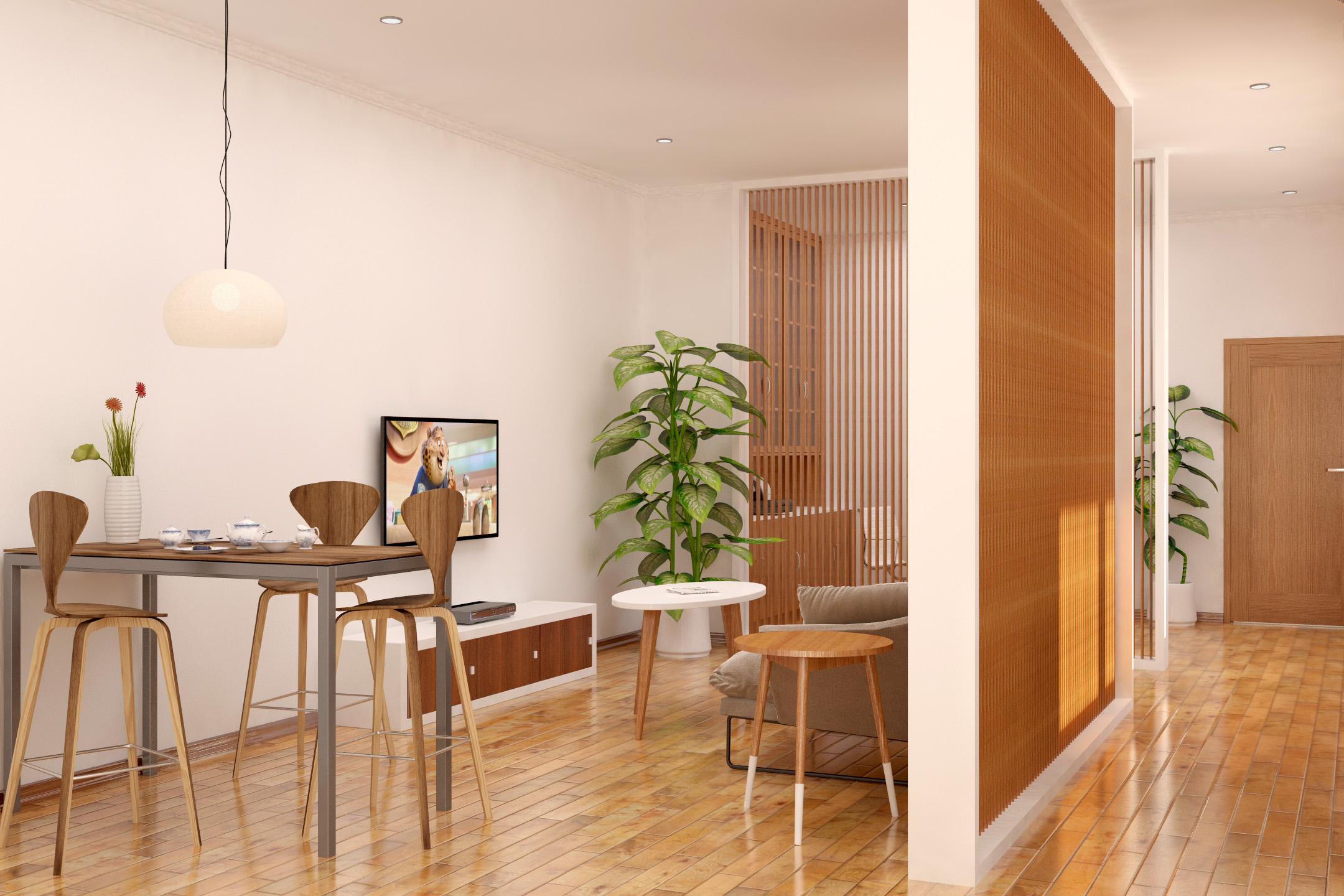
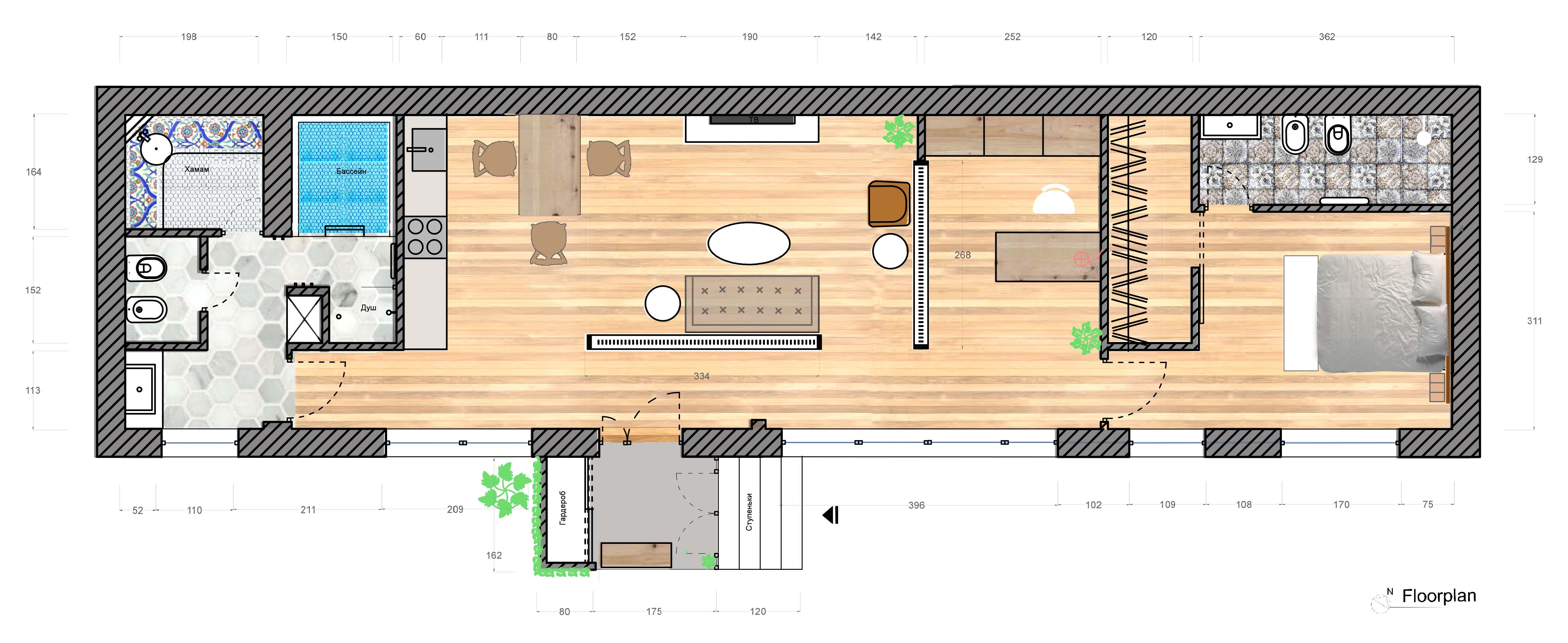
In addition to the main living requirements for a residential space like a bedroom, a bathroom, a living room and a kitchen,  House II features a home office with a library and a hamam. Since the natural light only comes from one side of the house, to separate living room and home office zones wooden partitions were used to visually expand the space, to provide more natural light and better ventilation.
3D visualization of this project was done by Atabek Kasymov – thank you for your patience, especially with decoding my notes :))),  and optimism you brought to this project.

Floorplan | Karasu House II


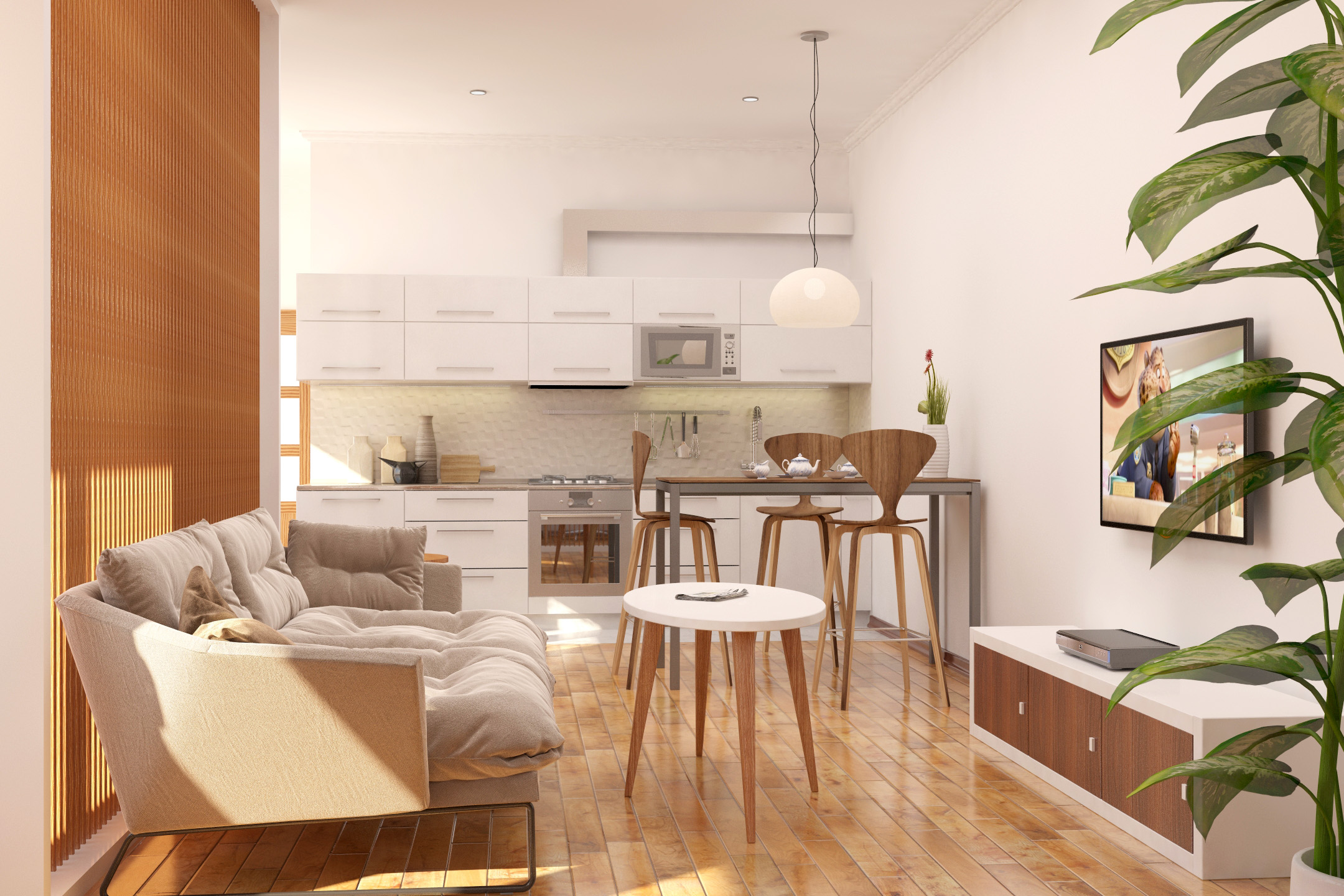
View of the kitchen from the living area


Living area and office (in the background)


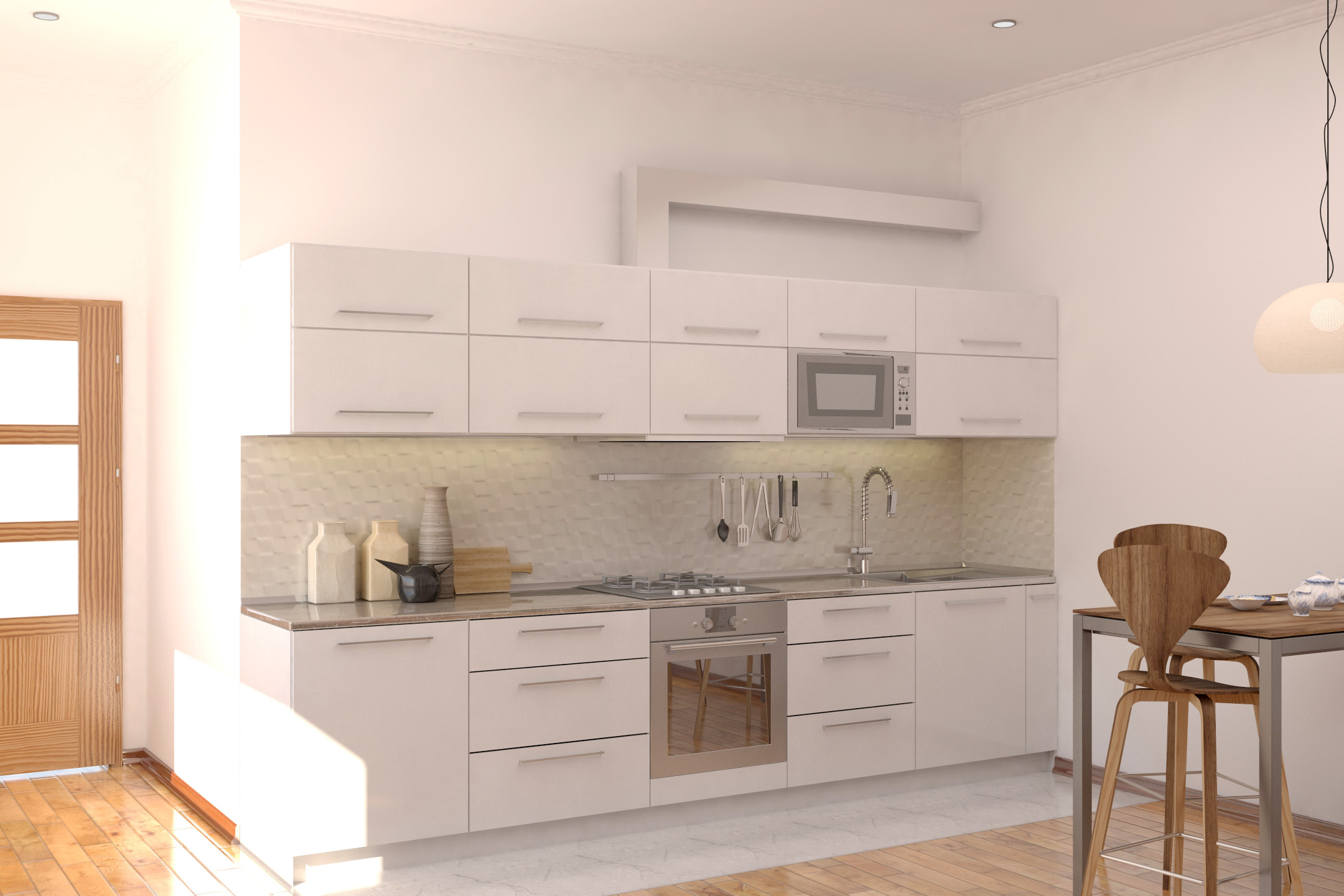
Kitchen
Kitchen


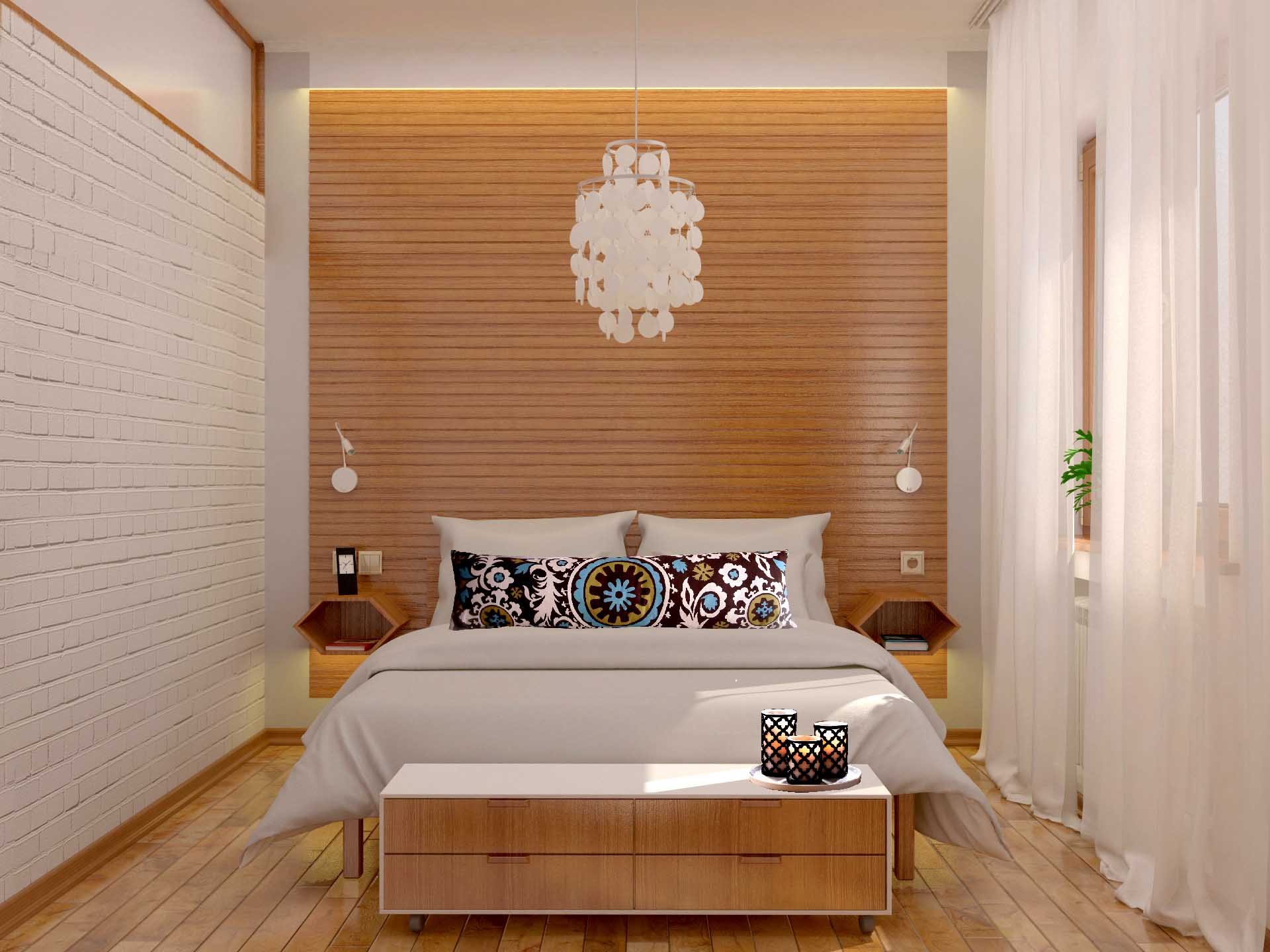
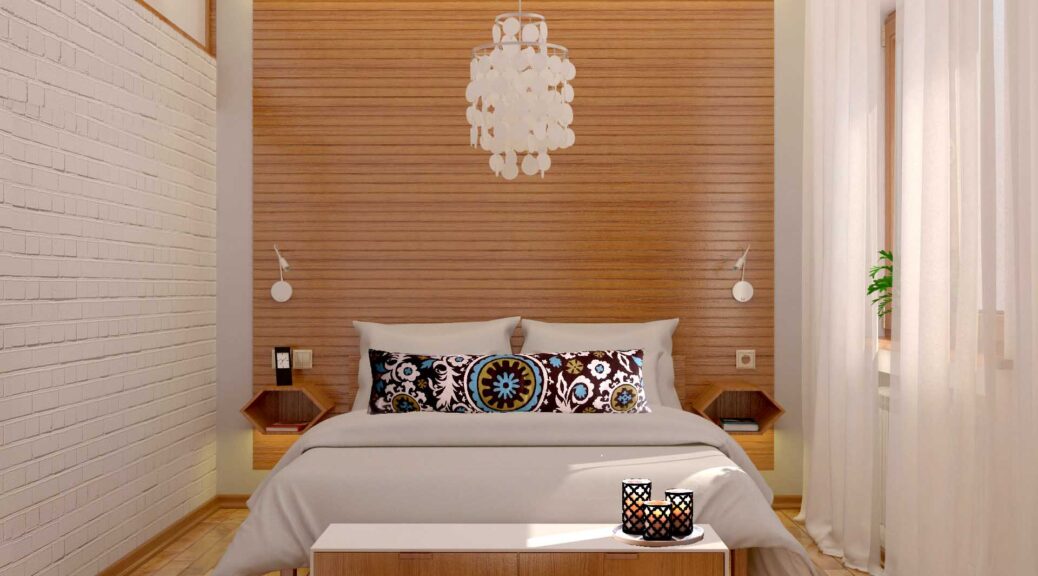
Bedroom
Bedroom features an all-natural  wooden accent wall as well as a brick  texture wall on the left to frame a window that allows a natural light into a master bathroom


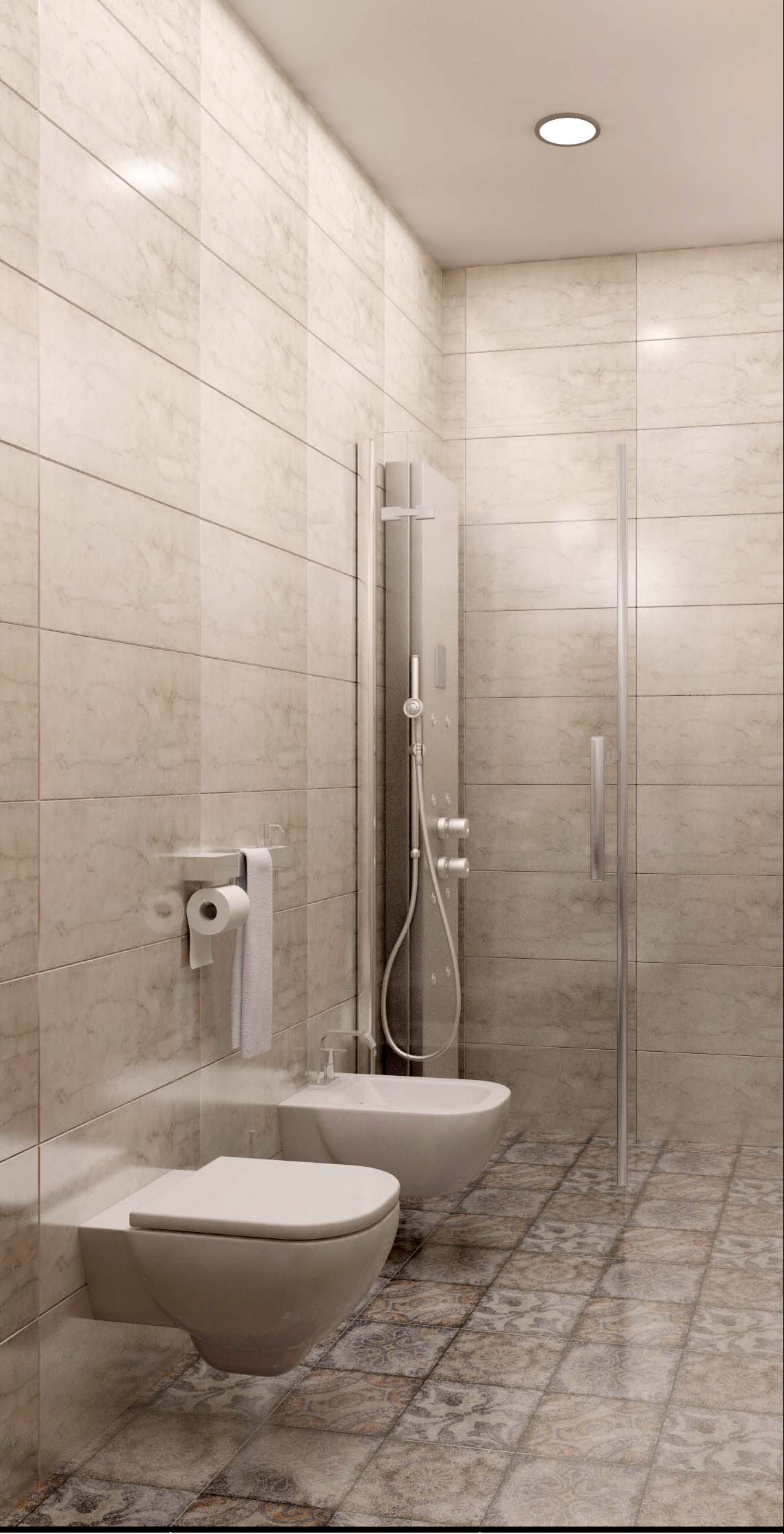
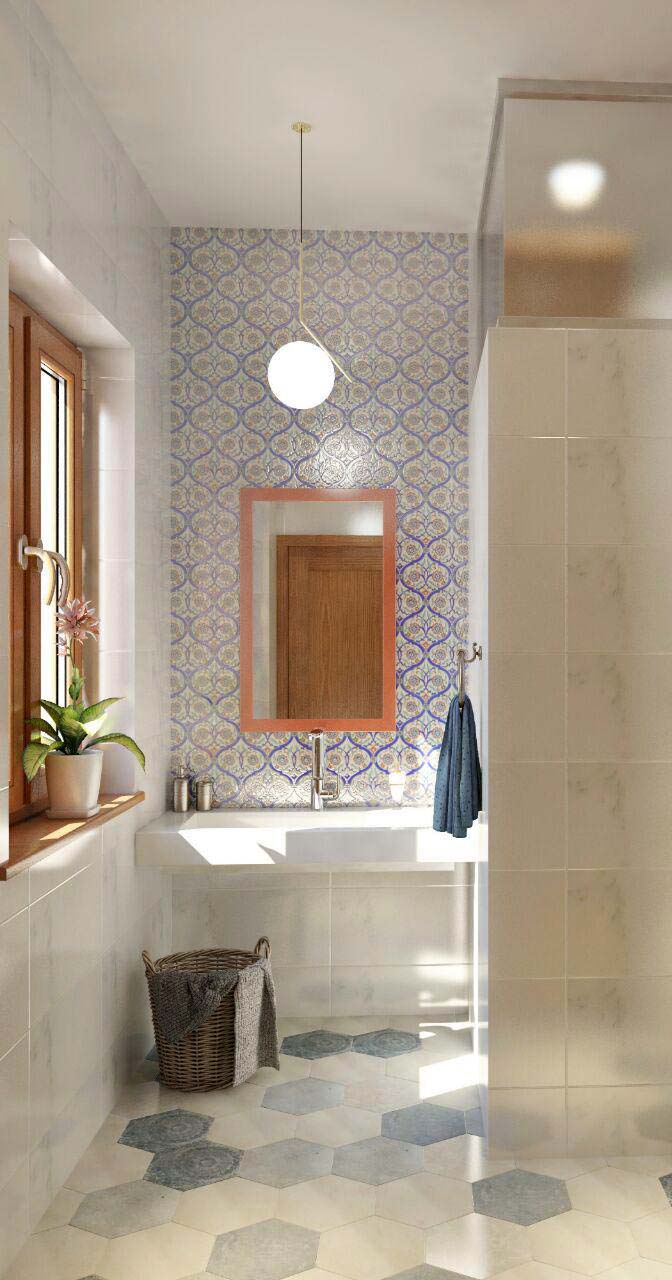
Bathroom
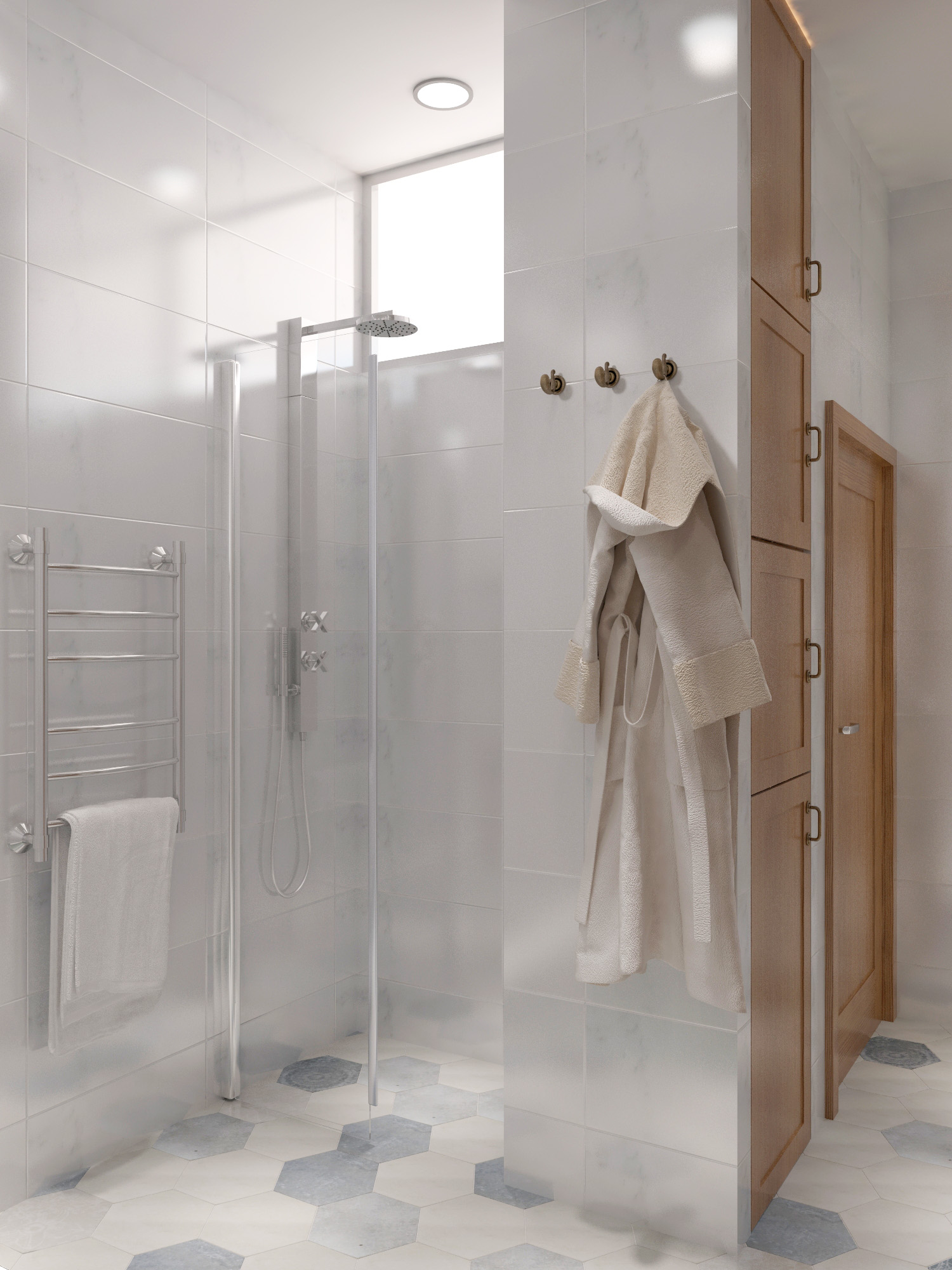
Master bathroom featuring Tintoretto tiles by Keramin


Hamam | siink area
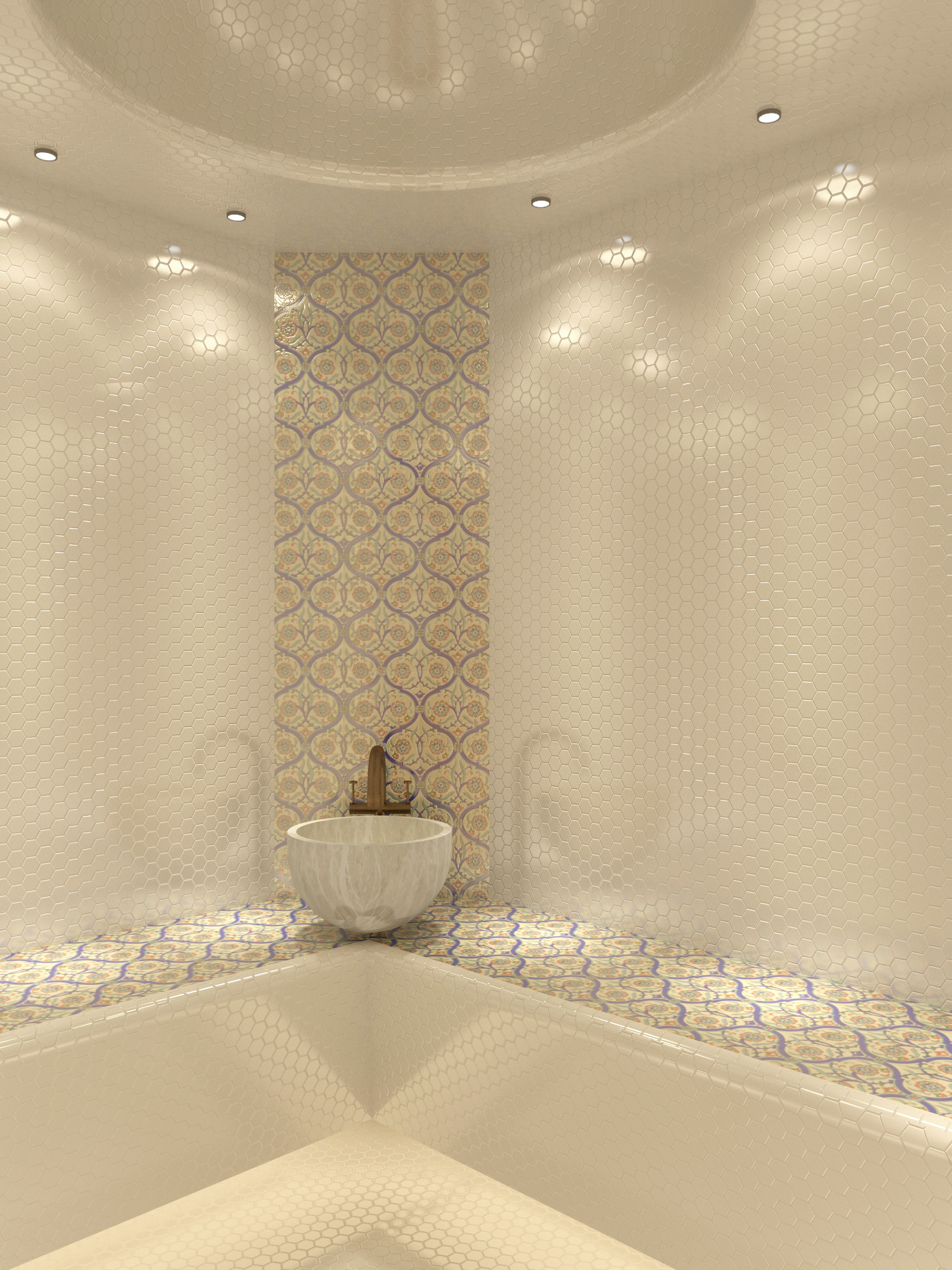
Hamam entrance featuring glorious Iznik tiles on a sink wall


Hamam
Hamam


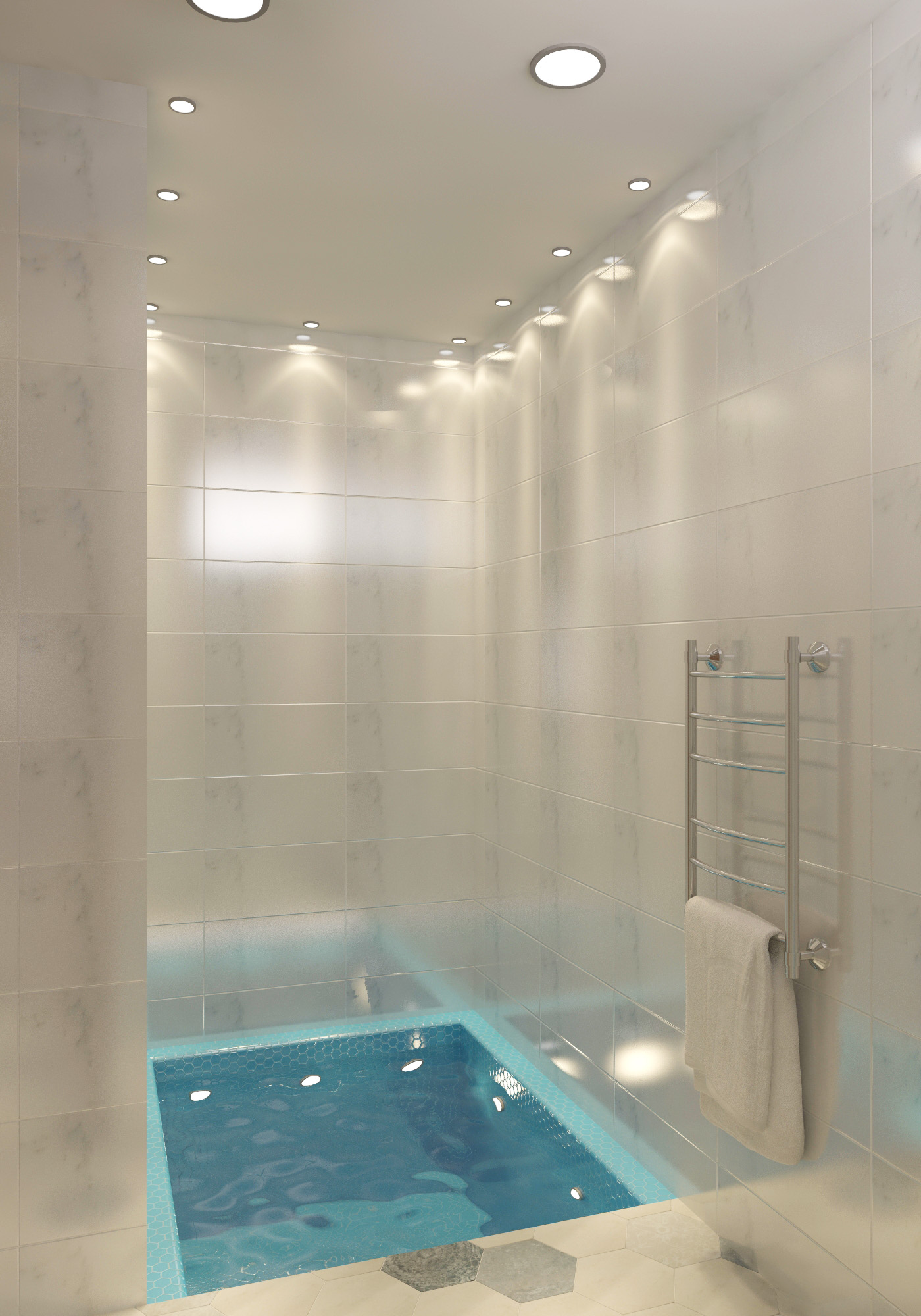
Cold water well
Cold water well


Shower in a hamam area


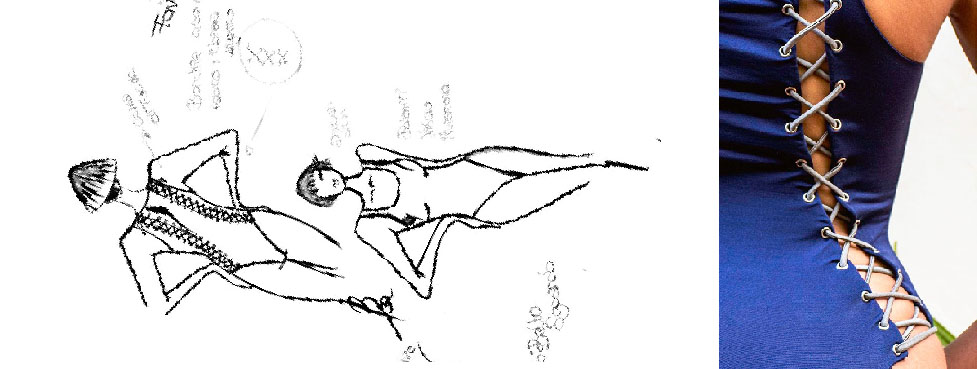
Definition of “sexy” by Baluardo32

I am very  lucky with landlords, or rather, landladies. When I worked in Almaty in 2007-2008, I rented an apartment from a woman who later became my friend.  My landlady in Tropea, Callabria became like a sister within two days of staying at her place.  One of my latest blessings was my last landlady in Florence, Italy who was half Italian, half Austrian and that half-and-half mix of cultures was a beauty of its own. Her Italian half  was evident in her genuine warmth that she spread around. However, when I saw her apartment with all appliance instructions filed in one folder,  towels neatly organized in closets and the apartment so clean and sparkling  I knew there was something  unusual about this level of organization for Florence, Italy. Later I discovered that her Austrian blood was responsible for that. With time we became friends, I got to meet her children including the one to whom I devote this post:  Teresa Fontanarosa.

Teresa is an architect who recently graduated from Università degli studi di Firenze. While she was doing her degree in architecture she was also designing clothes and recently launched her first swimming suit collection on Etsy, store name Baluardo32 – just in time for a beach season My first reaction to the swimsuits, especially to “Fontana” swimsuit,  was “sexy”. Now it is for you to judge and, hopefully, to buy.


il_570xN.1027489165_o1ja

il_570xN.981295532_je5x


Про обои на все стены …

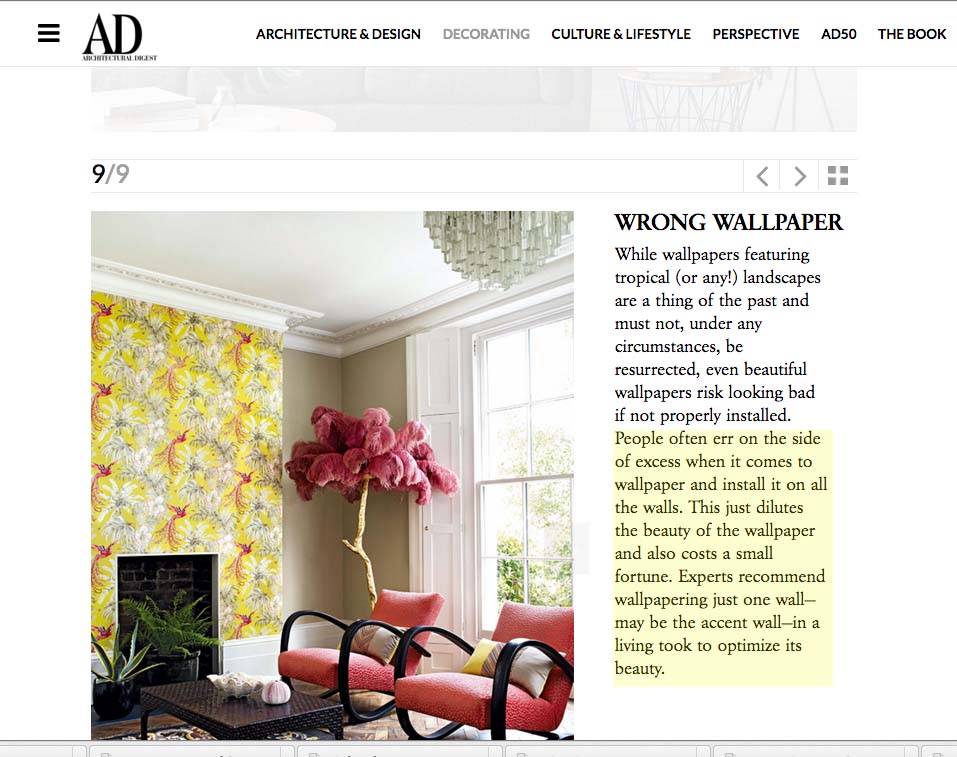
Не могла пройти мимо этой статьи в индийском выпуске Architectural Digest, потому что вопрос того что делать со стенами всплывает на всех проектах частных домов и квартир, и очень часто мне приходится объяснять своим клиентам почему клеить обои на все стены –  это перебор.

Вот мнение экспертов  по этому поводу. Основная часть выделена желтым и на русский переводится приблизительно так:

“Люди часто перебарщивают с обоями и клеят их на все стены. Это просто размывает красоту обой, не говоря о том, что по цене они обходятся в целое состояние. Эксперты рекомендуют покрывать обоями только одну стену – возможно, акцентную –  для того, чтобы подчеркнуть истинную их красоту”

Voila!

Use of wallpaper
Architectural Digest India | Use of wallpaper


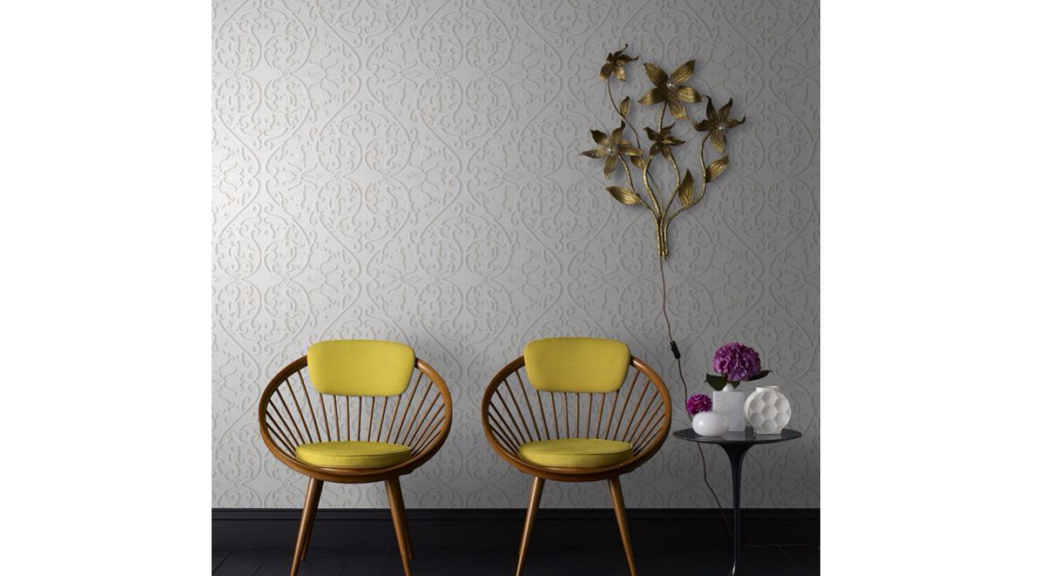
Main image is of “Graham & Brown Birch Heart & Tulip” Wallpaper designed by Marcel Wanders. The image of a courtesy of http://www.houseoffraser.co.uk/

Indiginous materials, genial application: BRICK

“Limits of whatever form, provide an ideal context for innovation. When faced with obstacles or adversity, our efforts to overcome them hone our creativity and help us find solutions  to global problems”

Writing on a wall, Expo 2016, Italian pavilion


You know how we, the humans, are finally realizing a mass damage we are creating by our mass production and are going back to eating local and using local materials?

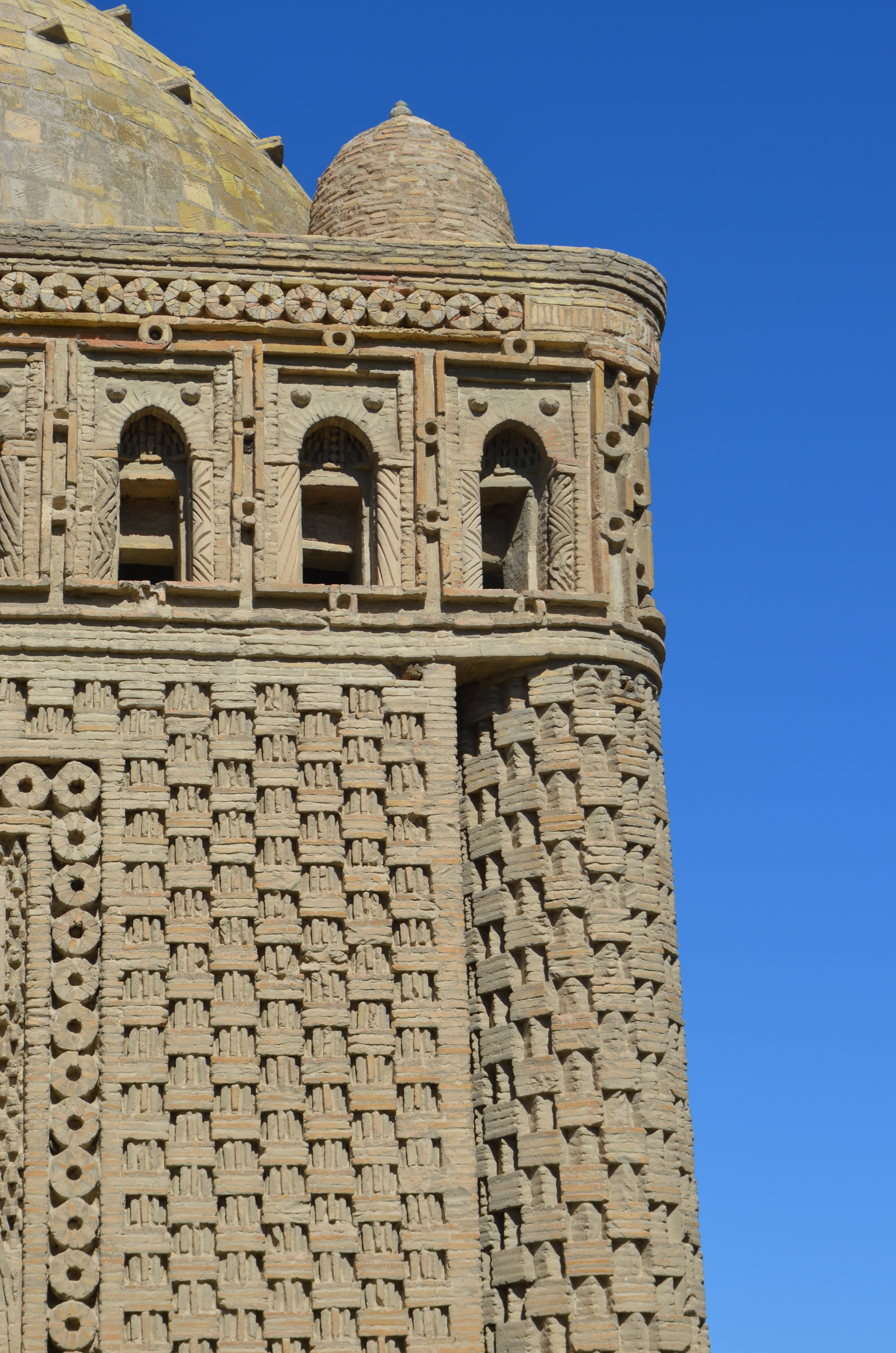
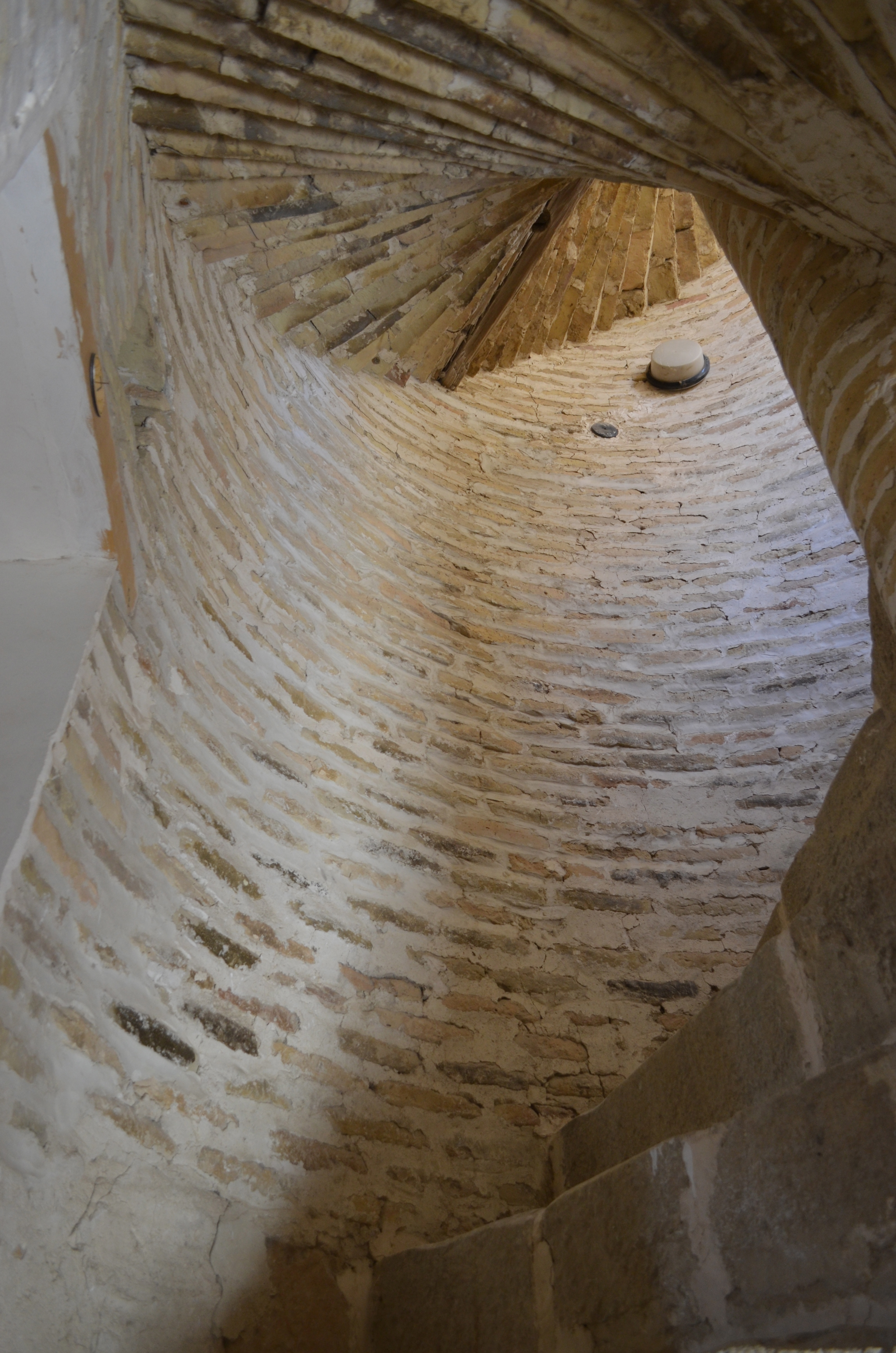
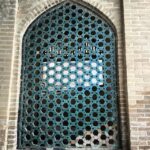
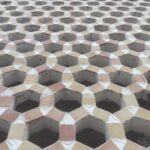
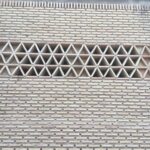
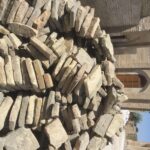
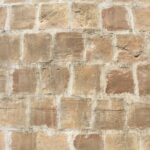
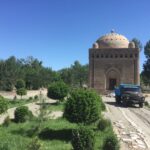
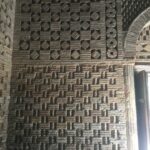
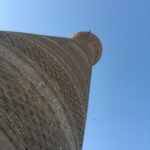
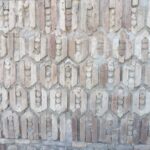
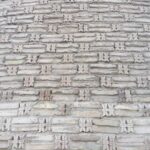
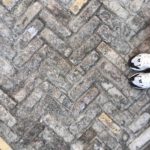
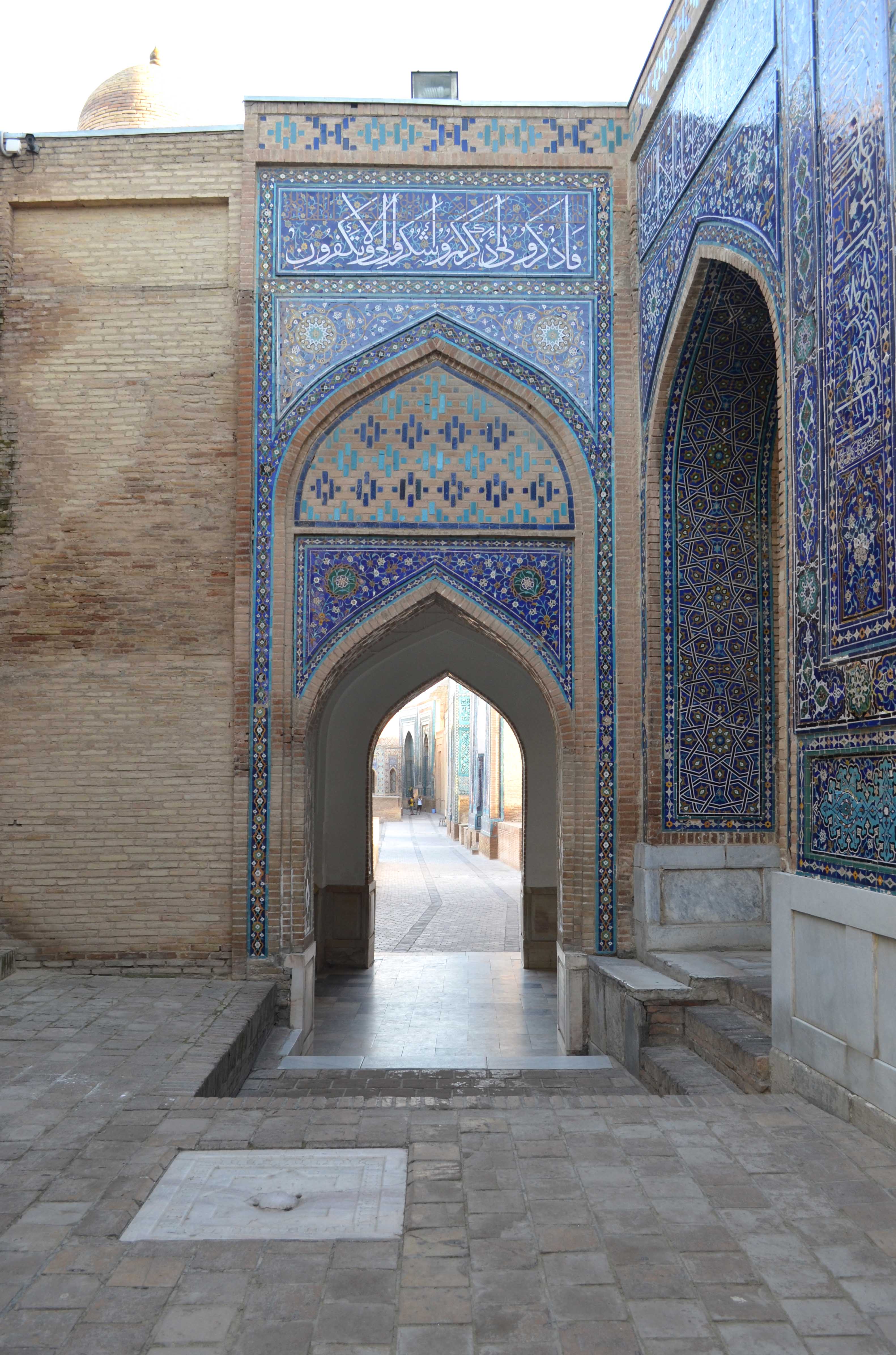
I have been pondering on these thoughts for some time and while visiting Bukhara and Samarkand I saw how a basic construction material such as brick could be used in so many versatile ways as both a building material and a decoration material.  These images are a mix from 9th century architecture to newly renovated / built buildings. The key is – you have a basic brick and it is only human creativity and skills that turned it into something spectacular.

Samanid mausoleum
Samanid mausoleum


Winding brick staircase at Chorbakr


Mosaic tiles or pain, sweat and tears of making them

I just returned from a week long trip to Bukhara and Samarkand. This was an early birthday present from my parents – thank you, mama and papa!

I don’t remember the number of times I have been to these cities, however, every time I re-visit them I feel like I have matured and I find things I did not even notice before.

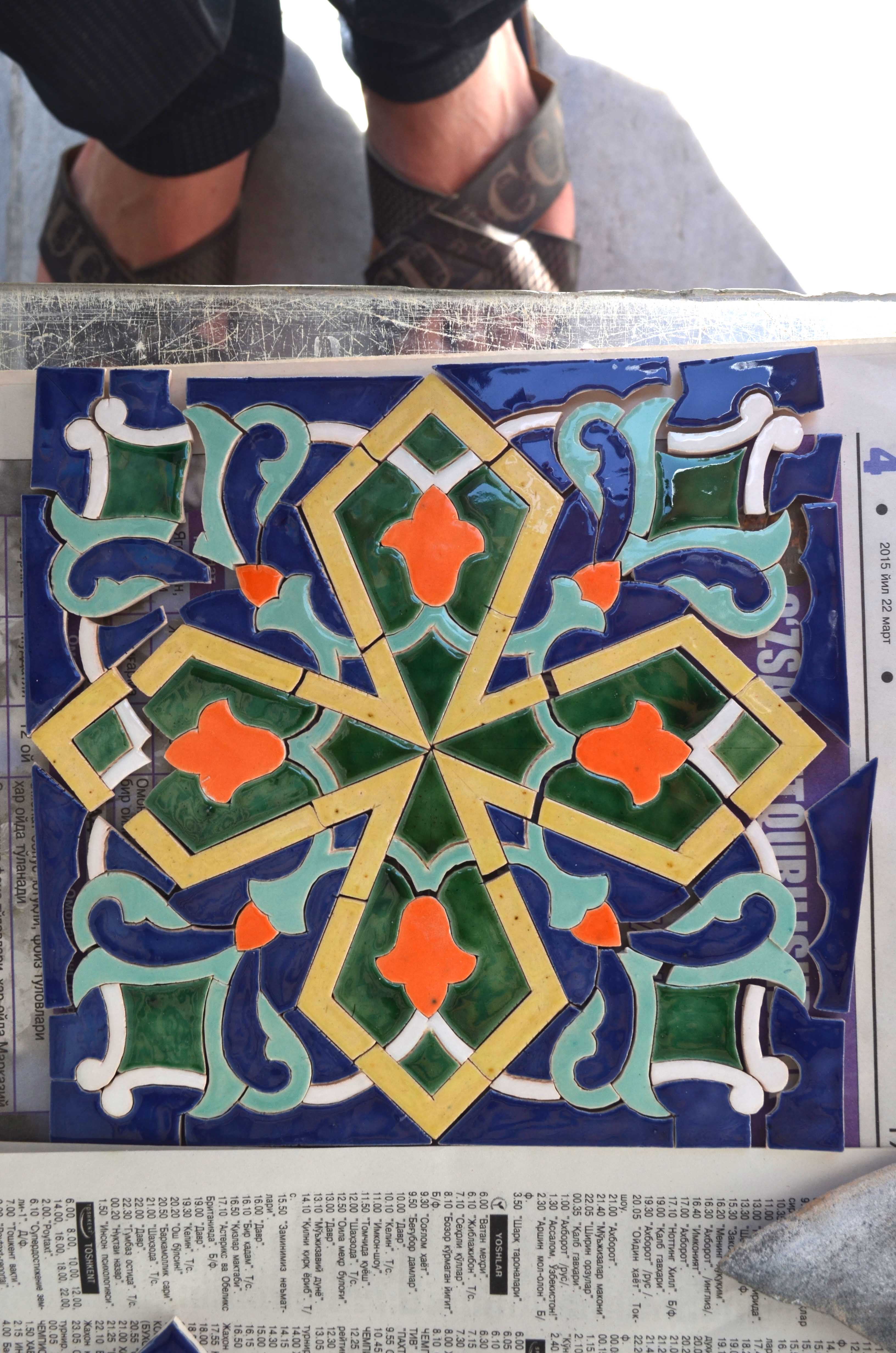
This time in Samarkand I came across a mosaic shop set up in a famous Registan square. By the entrance door, on a stool covered with a newspaper, they had a mosaic tile. When I touched the tile the mosaic pieces separated and that’s when I realized that it is a real thing!

I walked into the shop where I received a quick intro into mosaic tiles making.  The process itself sounds simple and straightforward but its application is a very detailed tedious work.

Mosaic ti


Basically,  the process goes as follows:

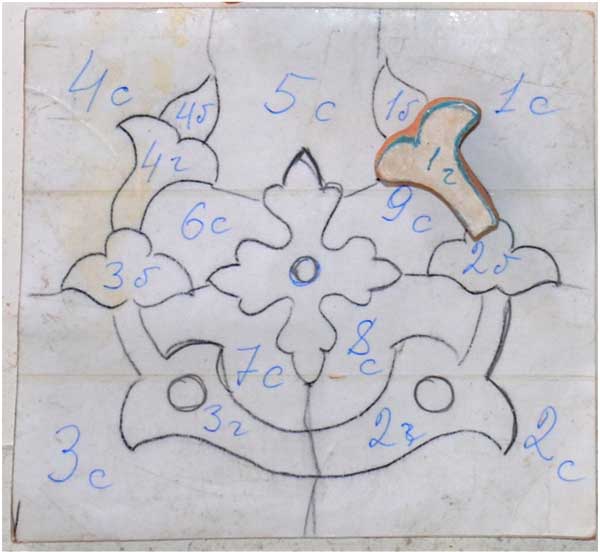
  1. Draw a pattern on a paper.

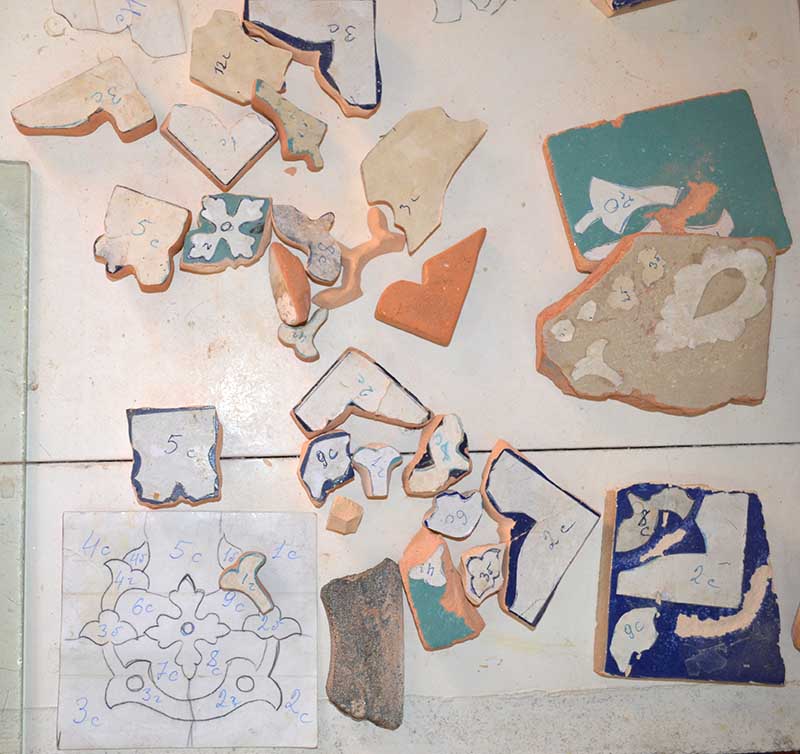
2.  Break it down into small pieces (see below). 1c stands for 1 blue (1 синий), 1б is 1 white (1 белый), 2c is 2 blue (2 синий), etc.

Mosiac pattern drawing on paper

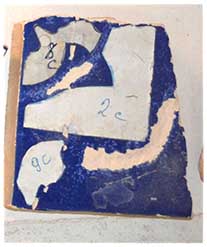
3.  Cut the drawing into elements.

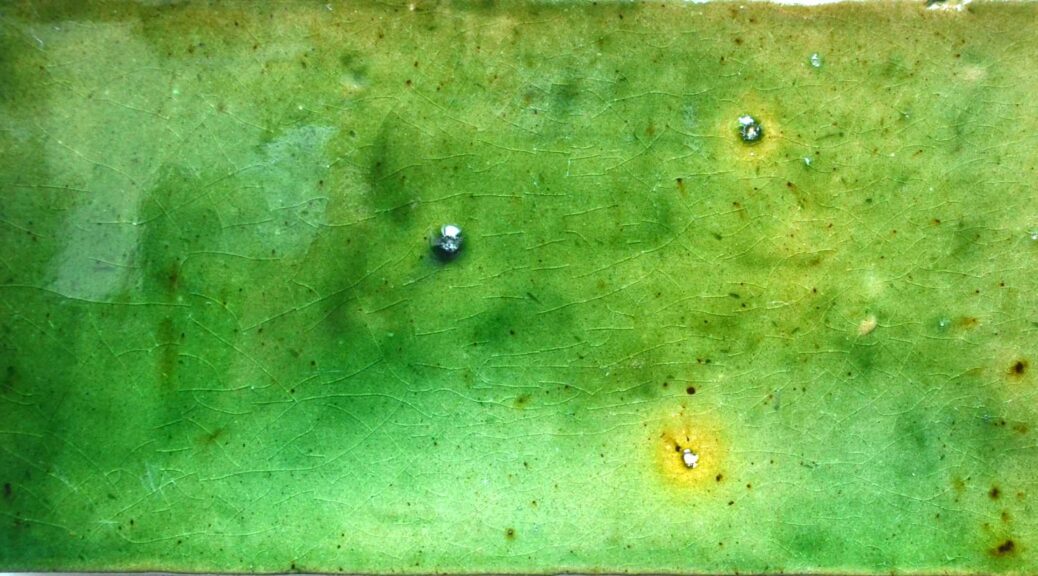
4. Apply each piece onto a glazed tile of a correspondent color (like this).

Mosaic pattern
Application of a drawing to a glazed tile
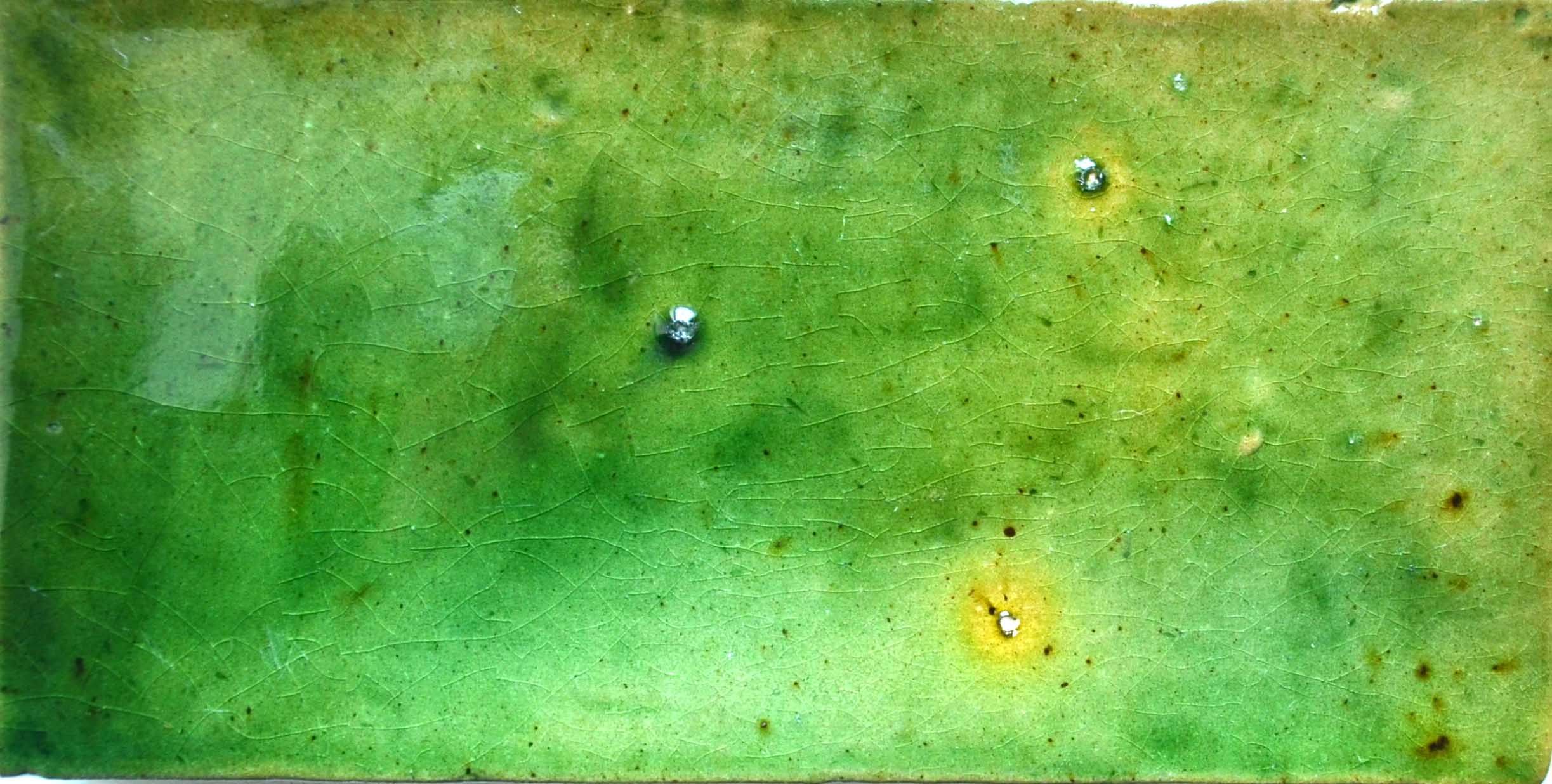
Glzed ceramic tile
Glazed tile, gift from Abdullo Narzullaev, ceramist in Gijduvan


5. Cut and file the edges to make them smooth with a gray stone (lower part of the photo below, to the right of the paper drawing).

Mosaic pieces


7. Repeat a gazillion time.

I can’t think of how much time and how many people it would take to make a portal like this at Shahizinda mausoleum.

Shahizinda mosaic portal
Shahizinda mausoleum mosaic portal

Photography and my philosophy of de-materialization

When it comes to photography I am clearly on a pause mode these days. The old techniques no longer inspire me, the new ones have yet to be discovered. In fact, my last two travel tips I made without my Nikon – something unthinkable a few years ago!

Decisions to travel without a camera could also be a result of an overall change towards life – I want to be light! The idea is to have less material things which require my attention. In other words, less things will result in less time I need to take care of them and will give me more free time and space.

So,  in light of my de-materialization philosophy, a bag with a camera and 2 lenses sounds like too much weight on my shoulders.

Below are some photos from one of the most recent trips to Istanbul.  Enjoy!

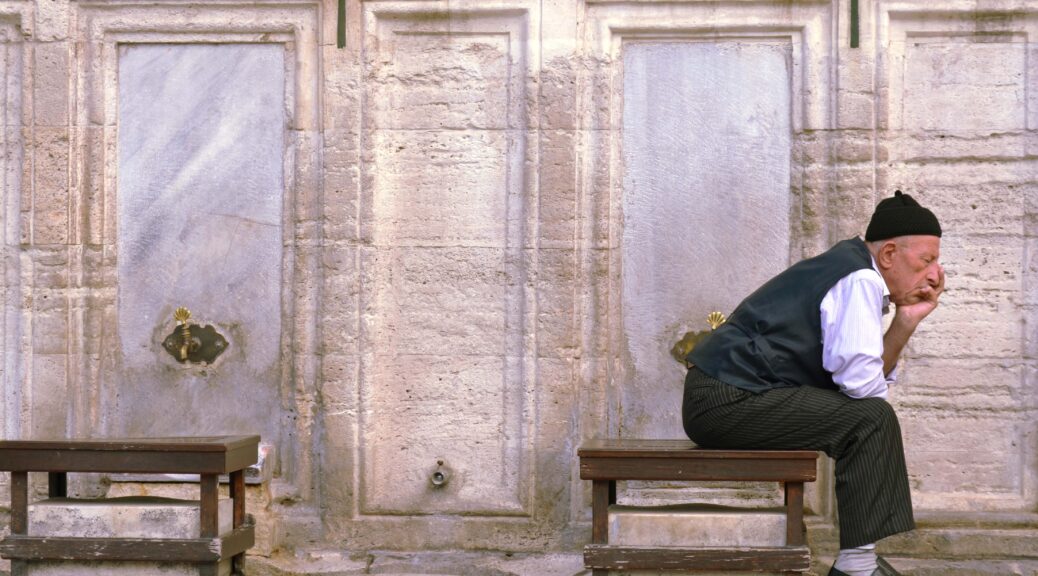
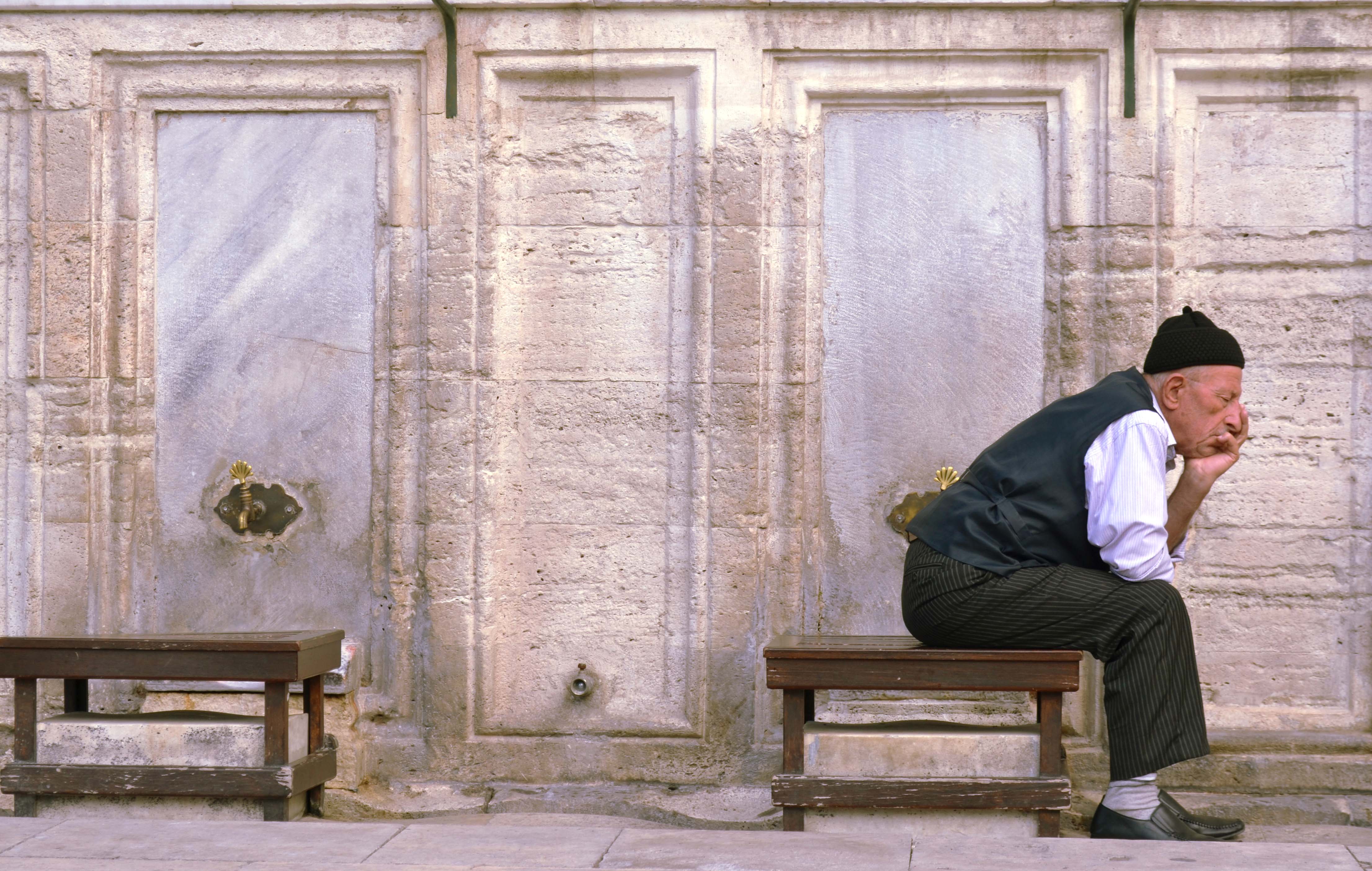
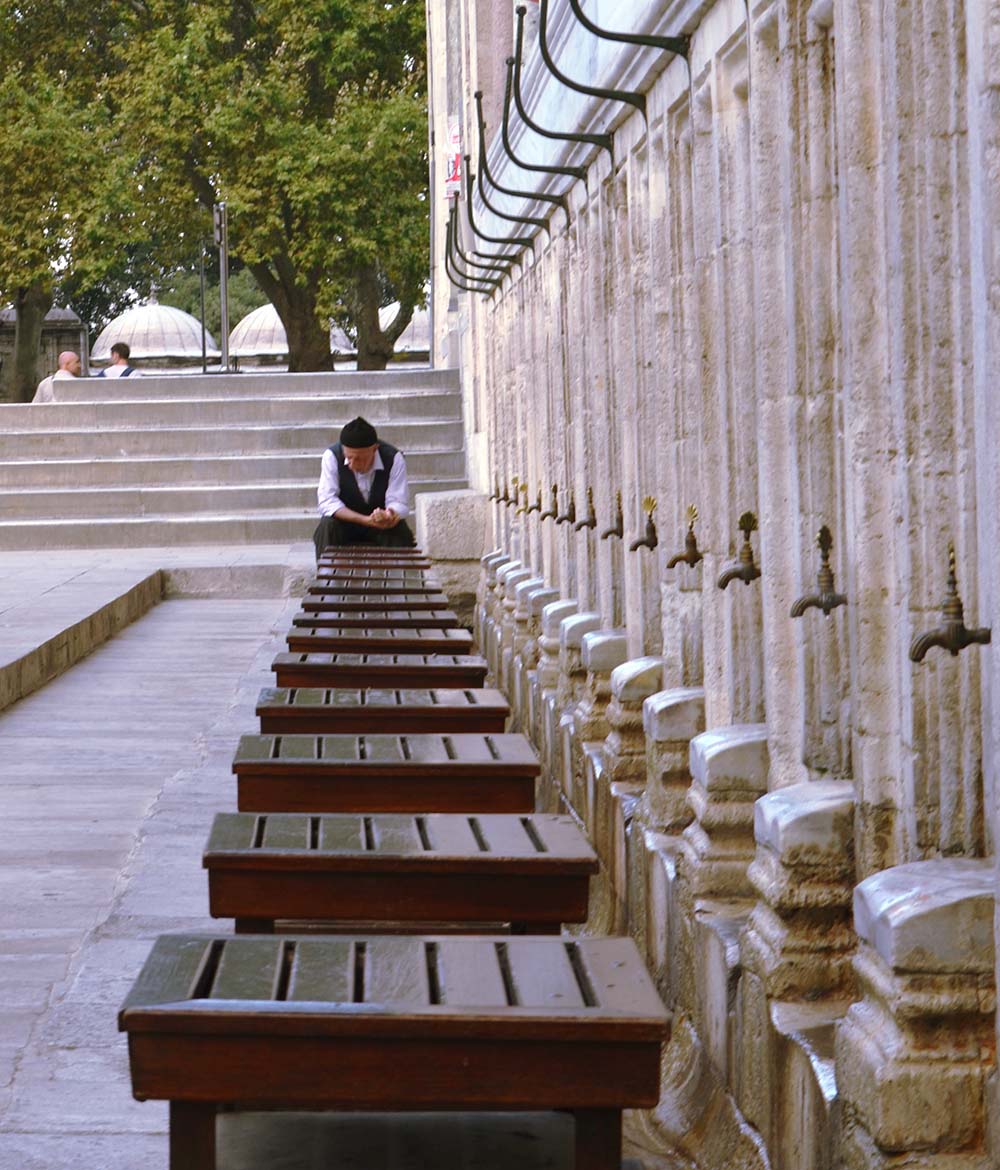
Tired old man at the entrance to Suleymaniye mosque in Istanbul.


Old man at Suleymaniye
Old man sitting at Suleymaniye mosque


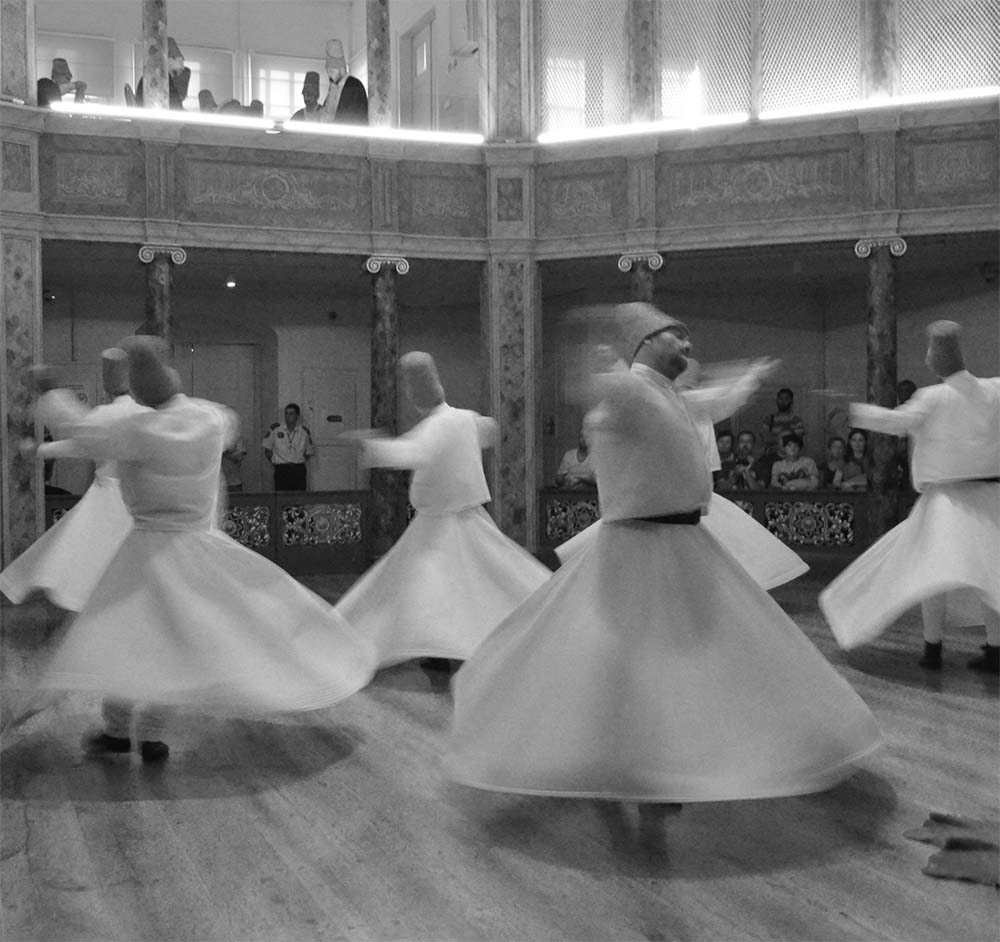
Sufi whirling ceremony
Sema – Sufi whirling ceremony


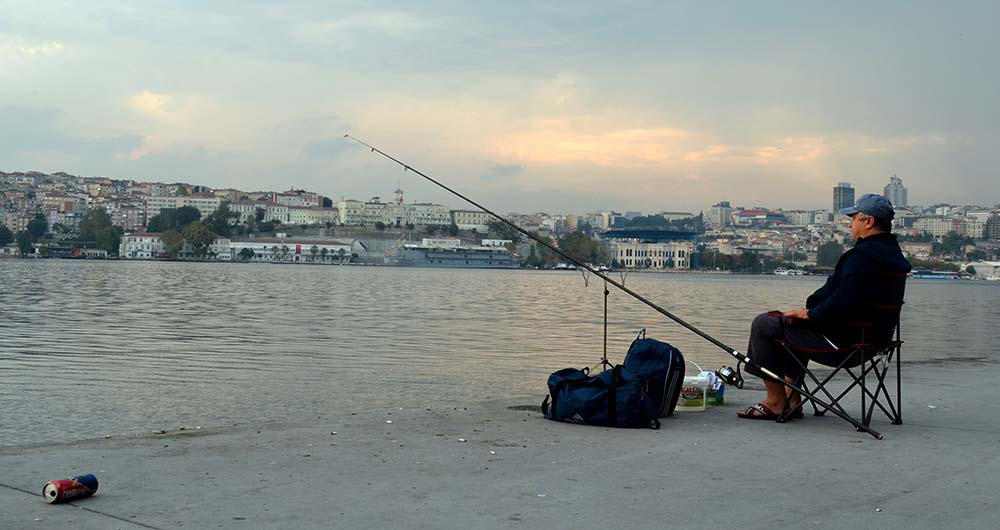
Fisherman on a shore of Golden Horn


Alisher Navoi Library Room

“It is not what you know, it is who you know” saying is very true when it comes to how I got a chance to work on this project – an opportunity came through my yoga friend, our mats are right next to each other in a yoga class. One day before the beginning of the class he whispered “Hey, what do you know about Alisher Navoi?”. I jokingly whispered back “I know he was cool guy”.

Today is February 9, 2016 which in literary circles means 575th birthday anniversary of Nizamaddin Mir Alisher Navoi. To many he is known as a poetic genius who turned Turki (an old Uzbek language) into a literature language and put it on the same level as Farsi, which then had a prerogative of the only poetic language. In addition to being a poet, Navoi was a vizier to then ruler of Khorasan – an extremely high- ranking role in the State, calligrapher, philanthropist and a Sufi of Nakshbandi order. When I discovered the Sufi part (I am very curious about Sufism as a philosophy) my eyes lit up like Christmas lights and I knew exactly which way I was going to take this project.

There are many interpretation of the word Sufi. Many suppose it derives from the Arabic word “suff” (wool). However, given that the word is used to describe spiritually pure people, there is a supposition that it comes the Arabic “safa” (purity).

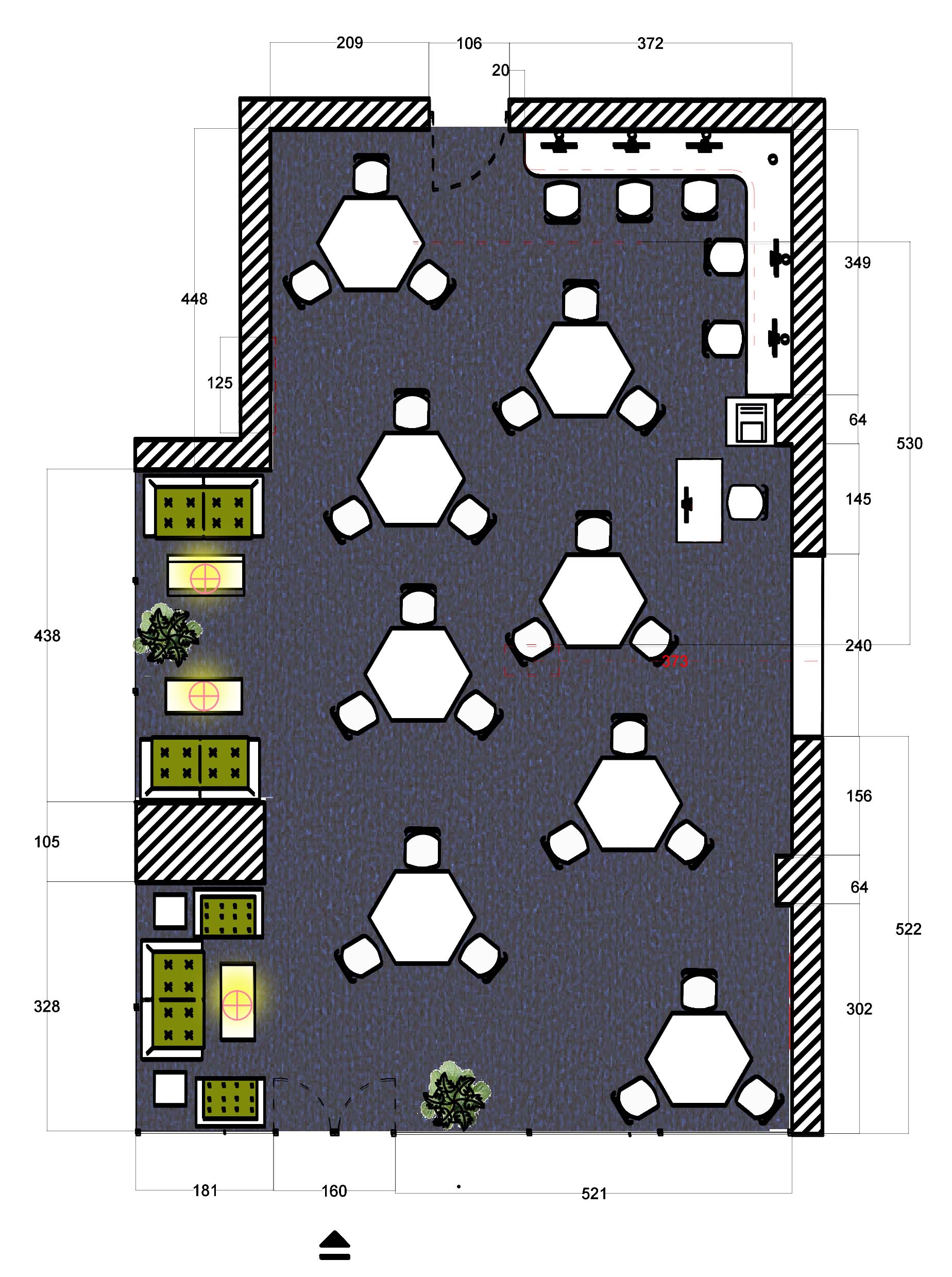
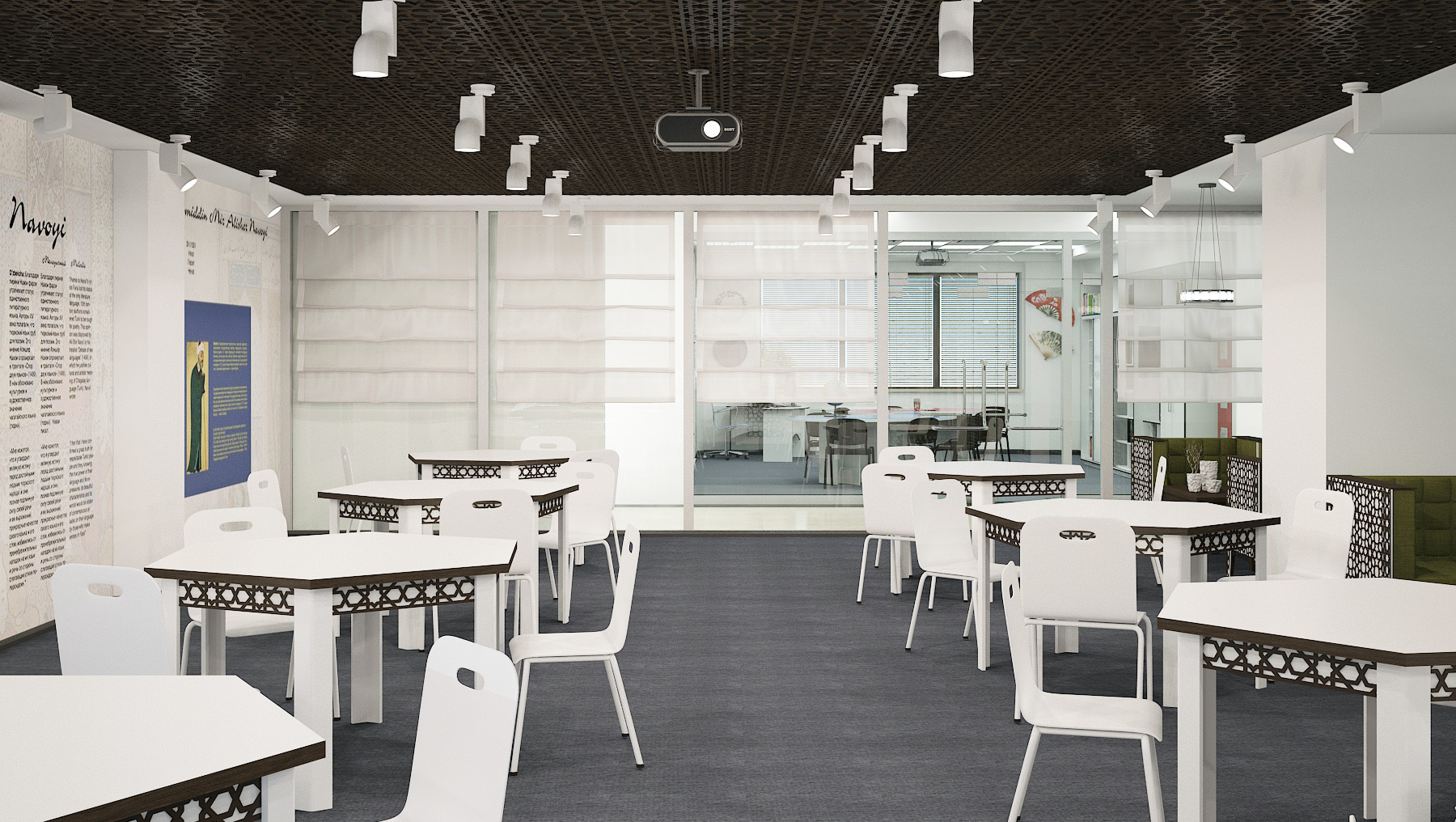
The project is to design Alisher Navoi room (105 square meters) in the National Library of Uzbekistan named after Alisher Navoi.

Main users of the library room will be:

  • students (majority)
  • non-student readers
  • researchers

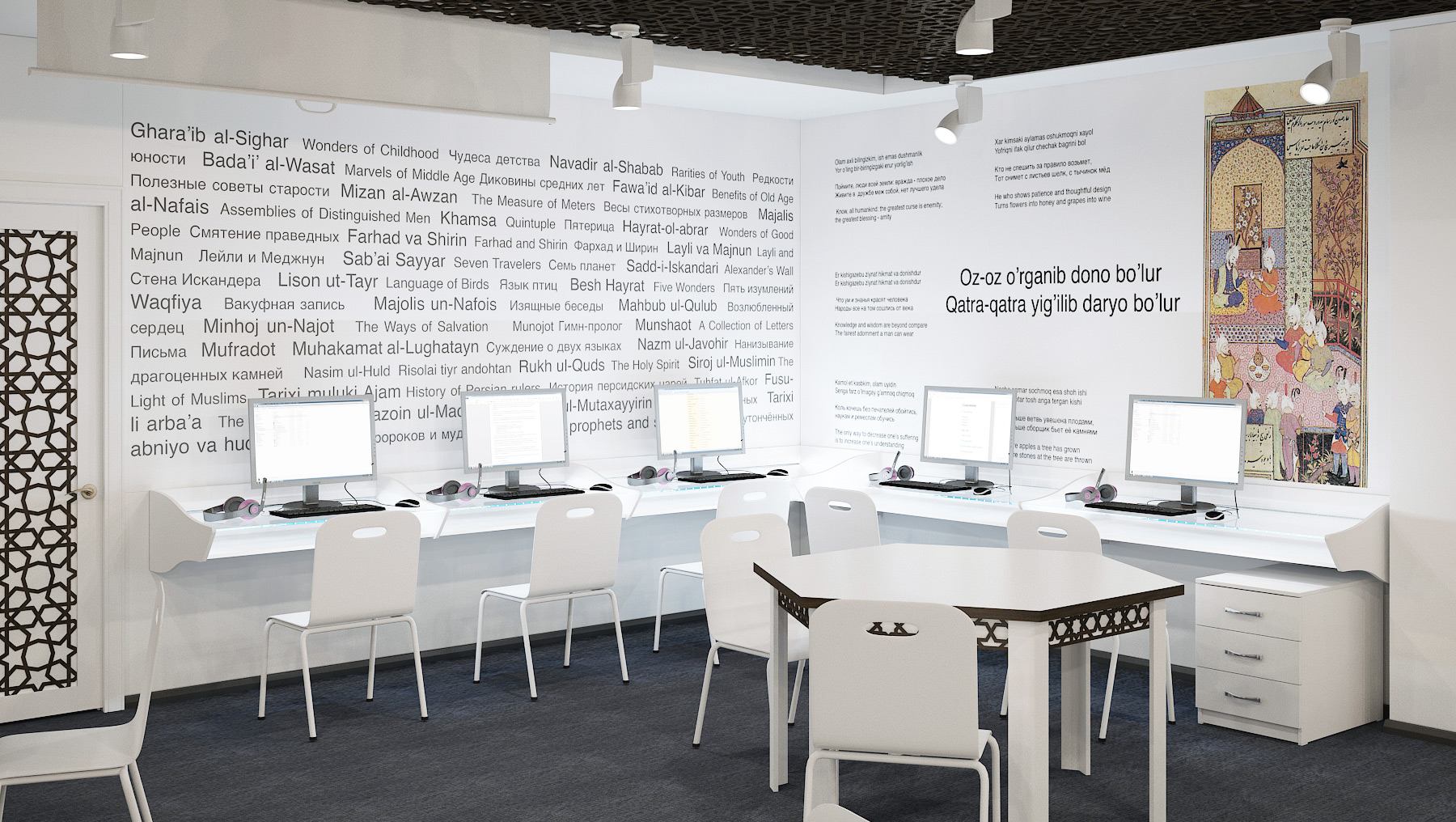
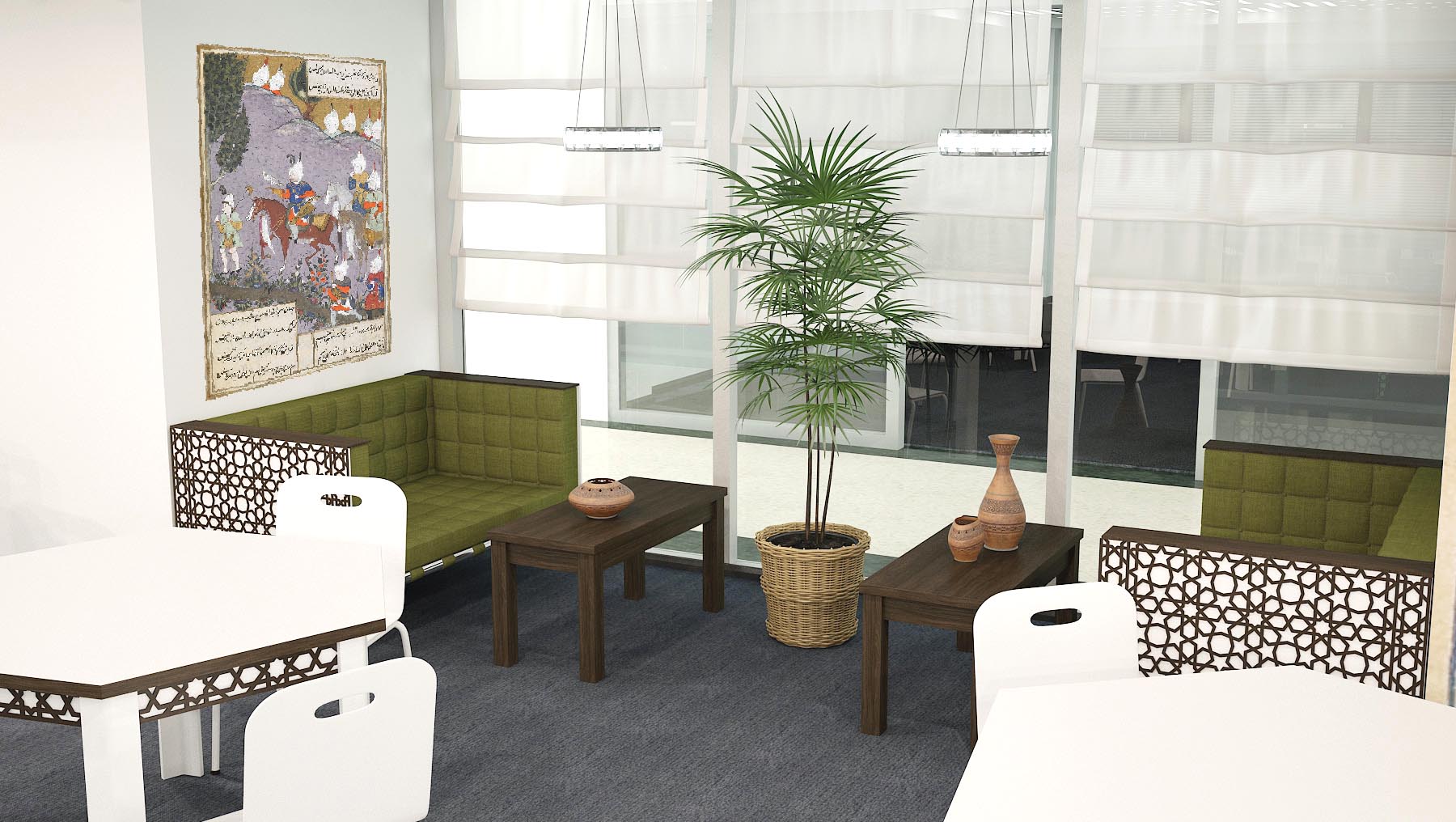
On a day-to-day basis the room should be suitable for an individual learning, group studies (a hexagonal shape of desks was chosen to easily put a few desks together for a group work) and a more relaxed learning. As needs arise, the room will also be used for special events such as conferences, seminars and interviews with important guests. There should be an area for computers to provide users access to electronic database of the library and a small desk for a room coordinator. The client requested to keep the design contemporary with a use of old traditional decorative elements such as miniature paintings and geometric patterns.

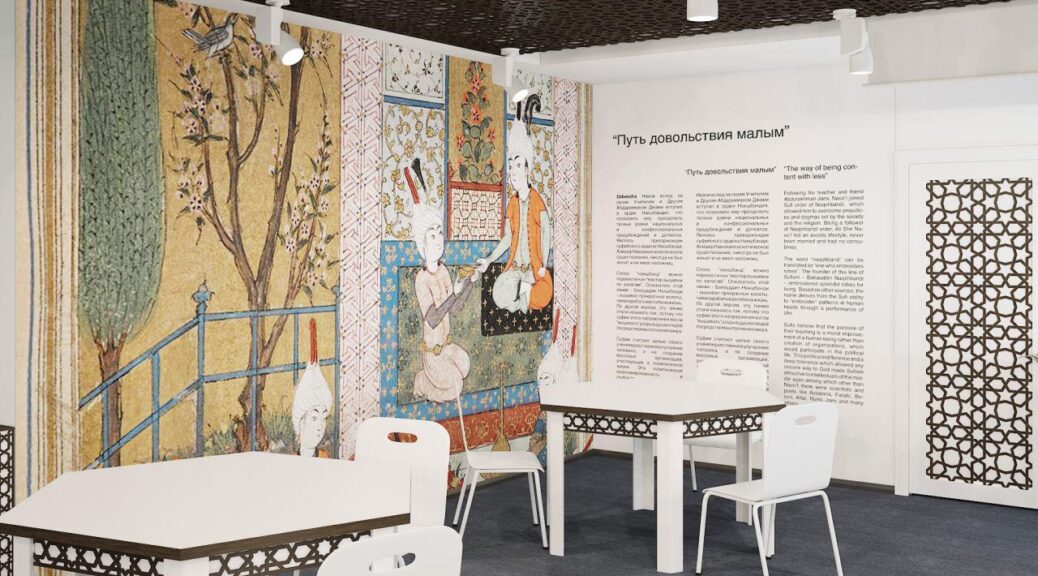
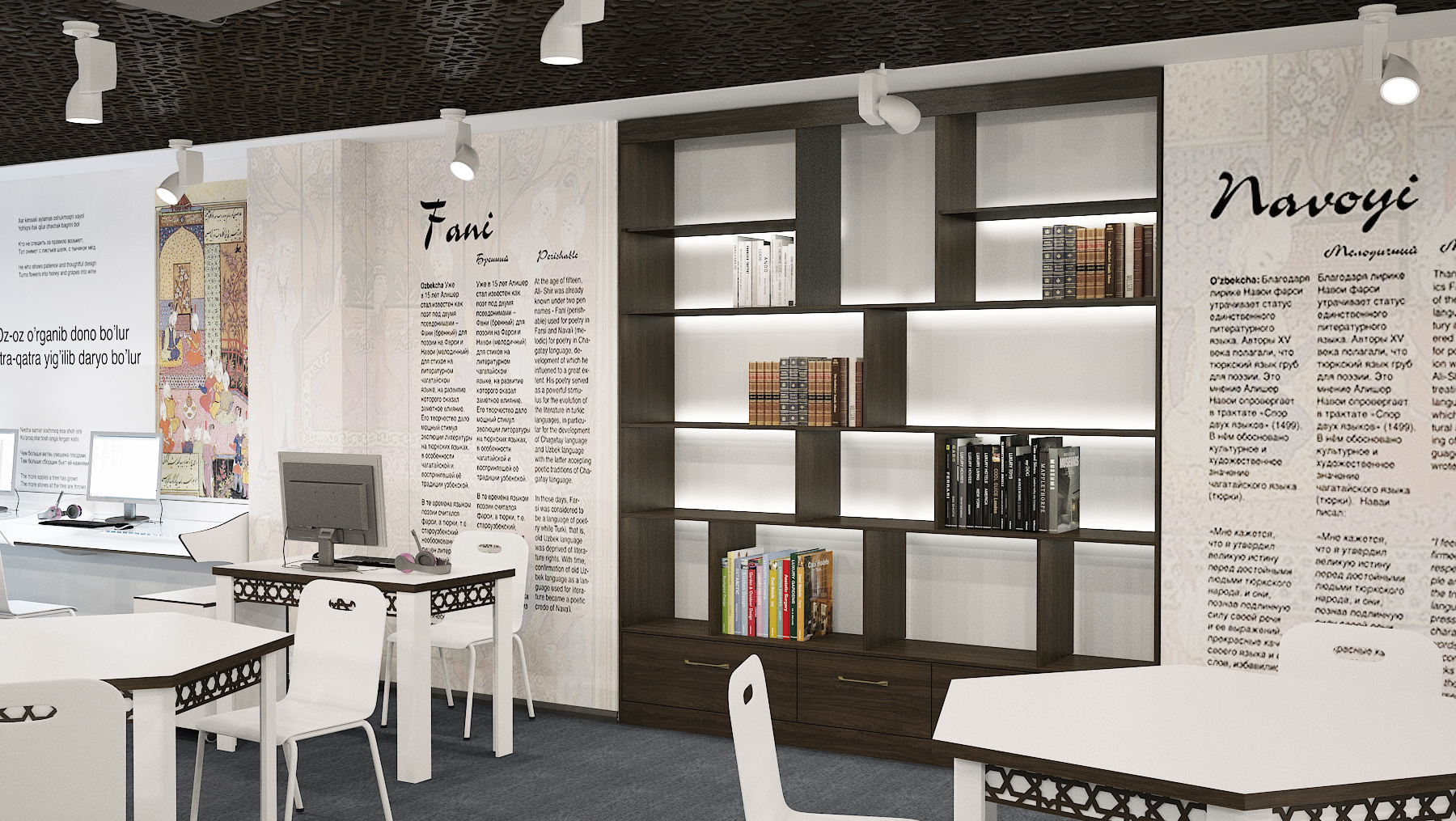
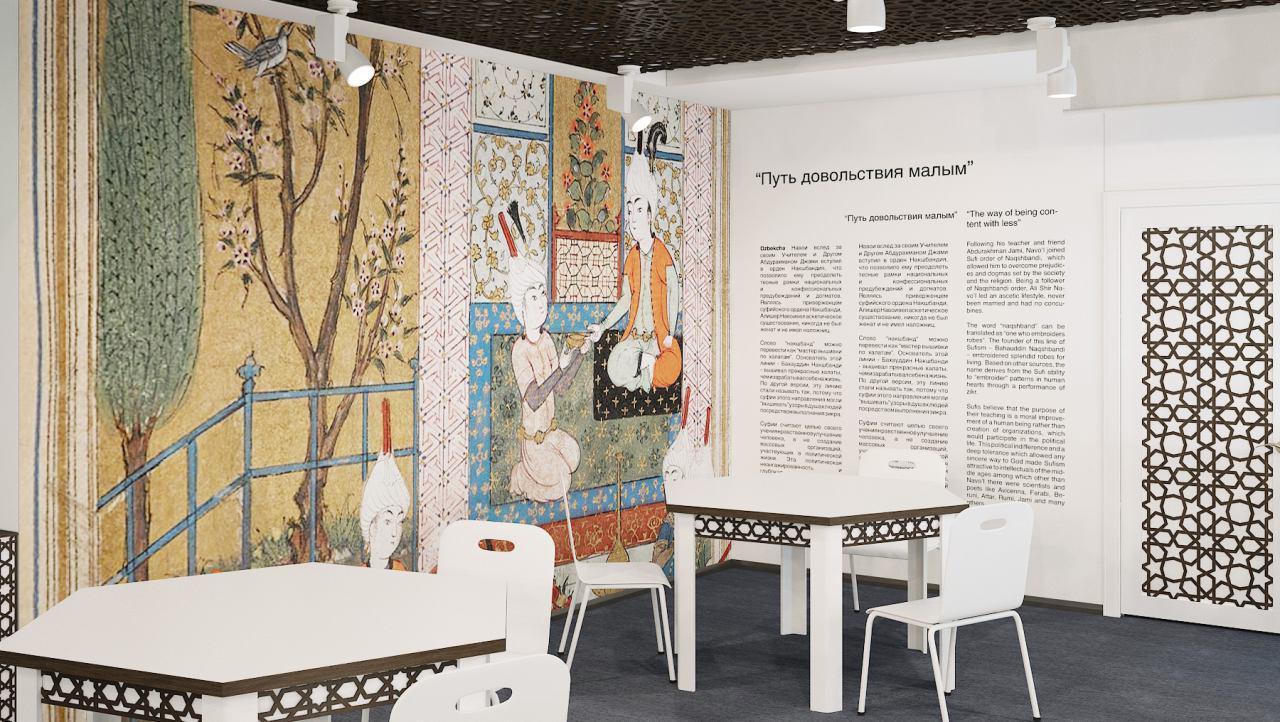
The design concept for this project revolves around an idea of Sufi purity and multifaceted personality of Navoi. This room was designed to be a tour into a personality of Navoi which starts with an Introduction Wall  (on the right from the entrance), moves onto “Fani” and “Navoi” poetic walls, and then then takes us to a “Wisdom wall “, a collection of quotes by Navoi for those who are learning, maybe struggling and need a dose of encouragement. “Wisdom wall” is followed by a “Sufi wall” which is titled with Navoi’s own summary of Sufi philosophy:  “A way of being content with less”.

Floorplan

Alisher Navoi library room
Study area


Book storage area
Poetic walls and a book storage area


Wisdom walls
Wisdom walls and a computer area


accent wall render
Sufi wall


Relaxed learning area


*Note, as of a today, the interior design of the room  is approved but the wall text content  is in refinement process by  experts specializing on Navoi heritage. Implementation is scheduled for March – April 2016.


“12 kinds of kindness”: fears, insecurities and graphic design

Long time, no posts… My life has been good and happy but a bit too hectic. I have a lot of catching up to do with the portfolio updates, photography and a few other things but first things first…

Happy New 2016!   (well ahead of time for Chinese New Year)

I wish us all peace, tolerance, acceptance, love and compassion.  As for myself my personal wish for this year is to slow down in a sort of slow-down-and-smell-the-roses way – quite a challenge for a hyperactive type like myself.

This specific post is to share a discovery and an inspiration which came through Jessica Walsh’ instagram post hash tagged #12kindsofkindness (www.12kindsofkindness.com).

The project is by two New York based graphic designers – Jessica Walsh and Timothy Goodman – exploring their behavior patterns, personal insecurities, baring their souls and bringing out their inner shit in a very honest and graphically beautiful way.

Speaking of honesty, this reminds me of a saying by another graphic designer, Stefan Sagmeister, who states  “everybody who is honest is interesting”. That’s exactly what I am seeing here – a self-therapy by  two very successful people talking about things that would normally find their way to a secret diary or, if life got real tough, would get discussed in a therapist’s office.

I was sort of familiar with Jessica Walsh – she collaborated with Bjarke Ingels Group on “Hot to Cold” book. It is Timothy Goodman whom I discovered recently and whose work I find to be  fresh and very authentic. Step 4 “Don’t beat yourself up” or instragram hasgtag  #memoriesofagirlineverknew is his own poetic exploration of his fears of commitments and real relationships – a great insight into a male psyche.

Here are a few highlights:


12 kinds of kindness | Memories of Girl I Never Knew
Timothy Goodman’s Memories of Girl I Never Knew #memoriesofagirlineverknew


http://12kindsofkindness.com/
“Firsts…” #memoriesofagirlineverknew by Timothy Goodman


“Likes..” #memoriesofagirlineverknew by Tomothy Goodman